
Chlorine Gas Valves

Chlorine Valves and Accessories
1210 and 1214 Series
Sherwood 1210 & 1214 Series valves are used in cylinder, manifold, and ton containers for chlorine service. Valves are designed and manufactured in accordance with Chlorine Institute Pamphlet 17.
Chlorine Gas Valves Parts and Accessories
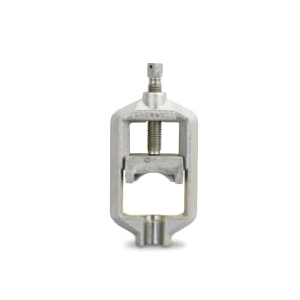
Yoke
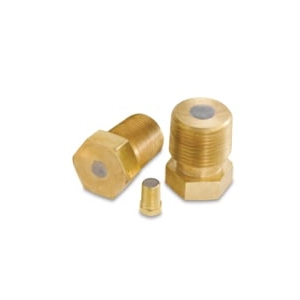
Fusible plugs

Wrenches

High flow yoke adapters
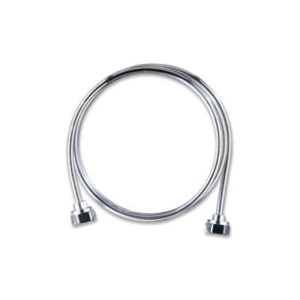
Flex connectors
The Best Chlorine Valves to Use in Your Facility
If your facility uses compressed gas cylinders and ton containers, you will need a durable set of chlorine valves. But choosing the right chlorine valves for your facility can be challenging for some site managers. You might not know which brand to choose or how to judge between one kind of valve and another. We’ll take a look at the best chlorine valves to use in the compressed gas industry, from mining and welding to alternative energy.
Optimal Performance for Less
The trick for most facility managers is to find chlorine valves that offer lasting quality assurance without an exorbitant price tag. Every facility manager needs to think about cost when finding supplies for their facility, but buying subpar products usually means the facility will need to replace them over and over again, which will increase the site’s overhead expenses.
As a facility manager, you can save money by buying chlorine valves that can last the test of time, ensuring that your facility only needs to buy these products once. Sherwood valves offer lasting quality assurance. They are manufactured with the latest industry technologies to make sure they will not degrade over time. The company uses infrared thermal imaging throughout the manufacturing process to maintain the highest possible standards for their products. Every valve component is made with rods and raw forgings, designed by the company’s top engineers. These components increase durability and the lifespan of the product, keeping your facility’s operating expenses as low as possible.
Safety and Industry Compliance
As a facility manager, the lives of your employees are on your shoulders. You cannot afford to expose your staff to the harmful effects of chlorine by using poorly made valves. Certain valves from less-than-reputable manufacturers may degrade over time, leading to chlorine and gas leaks that can damage your facility, endanger the lives of your employees, and impact the surrounding environment. This can lead to costly cleanup measures, lawsuits, regulatory issues with the federal government, and bad publicity for your facility or the company.
To avoid issues like these, you need to choose chlorine valves that are up to the standards of the compressed gas industry. The FDA has outlined its safety requirements for facility managers in the ISO 9001. Sherwood valves have been designed to comply with the standards set by all regulating bodies in the compressed gas industry, including the Compressed Gas Association, the Chlorine Institute, and Underwriters Laboratories. Meeting these standards will give you and your employees more peace of mind.
Putting Your Trust in a Brand Name
To simplify the buying process, it helps to partner with a reputable chlorine valve manufacturer that has a history of safety and performance in the compressed gas industry. Sherwood has been a leader in the compressed gas industry for decades, going above and beyond industry safety regulations to ensure quality products for its customers. You can take the guesswork out of maintaining your facility by choosing Sherwood chlorine valves every time.
Chemtech International is one of the leading distributors of Sherwood Chlorine Valves in the world. Improve the performance of your facility and place your order with us today!
Repairing Chlorine Gas Valves
WARNING:
In order to ensure proper and continued performance of Sherwood products, regular inspection and maintenance are required to detect any corrosion or unusual wear of metallic and non-metallic parts.
These instructions are intended for trained chlorine valve installers and repairers. If you are not familiar with chlorine valve equipment and applications, do not proceed.
Disassembly of Valve
A. Place the valve assembly into a vise or similar holding fixture. The holding fixture must securely grip the valve body on the wrench flats so no damage is done to the internal bores, external or internal
threads, outlet or fusible plug PRD.
B. Chamber
- Using a 11⁄4″ socket or hex box wrench, remove the packing nut by turning it counter-clockwise.
- Using a 3⁄8″ square socket or open end wrench, remove the stem from the valve chamber by turning it counter-clockwise. The packing gland, the two packings and the packing collar will be removed with the stem.
- Remove the packing gland, the two packings and the packing collar from the stem.
C. Outlet
- Remove the outlet cap from the valve assembly by turning it counter-clockwise.
D. Fusible Plug Pressure Relief Device (Cylinder Valves)
- Using a 7⁄16″ socket or hex box wrench, remove the fusible plug PRD by turning it counter-clockwise.
Inspection of Valve and Components
A. Valve Body
- Inspect the valve body for cracks. If cracks are suspected, scrap the valve body. Inspect the valve body chamber bore for dirt, debris and damage. Blow out the valve body chamber using clean, dry compressed air or nitrogen to remove these contaminants.
- Examine all internal and external threads for damage or deterioration due to wear or corrosion. Special attention should be given to the threads closest to the outlet since they are the most vulnerable to corrosive attack.
- Examine the valve body seat for excessive wear or corrosion build up. Wear creating a 1⁄8″ x 90˚ or greater bevel should be eliminated with the 1534 refacing tool (1210/1214) or 1534A refacing tool (1210A/1214A). The valve has reached its end of life and should be replaced when the tool can no longer remove this bevel.
- Clean the internal threads for the fusible plug to remove all thread luting compound.
- If the valve body is damaged or corroded, do not attempt to repair. Order a new valve assembly.
B. Components
- Scrap any component that is suspected of being cracked. Also, replace components damaged, worn or corroded to the point where safe operation, valve performance or leak integrity may be compromised. Special attention should be given to wear grooves in the nose of the stem. Stems with grooves 1⁄64″ or greater in depth should be replaced.
- Special attention should be given to the fuse plug for signs of leakage. An extrusion of the fusible metal greater than 1⁄64″ may adversely affect use of the emergency kit tool used to temporarily seal fusible metal leaks.
- It is recommended that both of the packings be replaced before the valve is reassembled.
Assembly of Valve
NOTE: All parts must be clean, free of oil, chips and other contaminants before beginning assembly. A properly calibrated torque wrench must be used. Overtightening will damage components and the valve body. Undertightening may result in leaks. Reassembly of a used valve should not begin until all the components of that valve have been examined to determine their combined effects on valve performance and operation.
A. Chamber
- Insert the stem into the valve chamber and turn it clockwise; engage it one full thread. Engaging the stem more than one full thread may make installation of parts difficult.
- Place the packing collar, flat side down, onto the stem.
- Install two packings with the flat sides facing each other, and place them onto the stem.
- Place the packing gland with the beveled end down onto the stem.
- Tighten the stem using a 3⁄8″ square socket and a torque wrench to 10–12 ft.-lbs. to coin the seat in the body.
- Press down on the packing gland until the two packings are completely below the top of the body.
- Install the packing nut over the stem. Making sure the threads are properly engaged, tighten the packing nut to 25–30 ft.-lbs. using a 11⁄4″ socket and torque wrench.
B. Outlet
- Install the outlet cap onto the valve assembly outlet, turning clockwise until hand tight.
C. Fusible Plug PRD (Cylinder Valve)
- Apply a chlorine-compatible thread luting compound onto the bottom threads of the fusible plug PRD.
- Thread the fusible plug PRD, finger tight, making sure at least one thread is engaged in the body.
- Using a 7⁄16″ socket and a proper torque wrench, tighten the fusible plug to 12–15 ft.-lbs. or 11⁄2–2 turns.
Testing of Assembled Valve
NOTE: Only leak detection solutions compatible with chlorine should be used. Thus, only commercial or household detergents should be used that DO NOT contain ammonia, phosphates or other chemicals which are harmful to copper alloys and can initiate stress corrosion cracking of these alloys.
A. Test each reassembled valve by installing the valve securely in a suitable test fixture and pressurizing the valve with air, nitrogen or carbon dioxide to 500 psig.
B. With the outlet plugged or capped, open the valve assembly slowly and check for leaks through the valve body, past the stem and all threaded connections using a leak detection solution.
C. Close the valve assembly and remove the outlet cap assembly or plug. Pressurize the valve to 500 psig and check for seat leakage through the outlet.
D. If any leakage is detected, in the open or closed position, make necessary repairs and retest the valve before returning to service.
NOTE: Periodic retightening of the packing nut to 25-30 ft.-lbs. may be required to maintain a leak-tight packing nut and stem seal. However, tightening more than is necessary or applying excessive torques will prematurely wear the packings and may damage the packing nut and the valve body threads.
Chlorine Gas Valves in Thailand
Chemtech International has been supplying Sherwood Chlorine Valves to companies in Thailand for over 30 years.
Some of our long-term customers include:
- Aditya Birla Chemicals
- Ansell Thailand
- Interpretive Co
- AGC Vinythai Public Company Limited (AVT)
Sherwood offers standard chlorine valves that conform to Thailand’s regulations. It is the only manufacturer that makes robust body valves that are more durable under stress. Chemtech International is the International Distributor for Sherwood Valves and offers the full line of chlorine valves and accessories. Get in touch with us if you’re in Thailand and want to know which valves and other products are right for your business.
Get A Custom Quote
Fill out the form below.
Related Articles
Stay Informed with Chemtech International: Explore cutting-edge articles and breaking news in the world of chemical technology. Uncover innovations, industry insights, and advancements shaping the future of chemistry and beyond.

Have Any Questions Or Comments?
Call Us For Help!
888-709-8070