
Microbe-Lift BTI for Phorid Flies
Microbe-Lift BTI
The mushroom phorid fly, Megaselia halterata, continues to threaten the mushroom farming industry – especially in Pennsylvania, Delaware and Maryland – by vectoring fungal diseases and reducing the yields of the crop. Individual farms routinely experience losses of thousands of dollars due to mushroom phorid flies. In recent years, mushroom phorid flies have become a significant public nuisance in residential areas too.
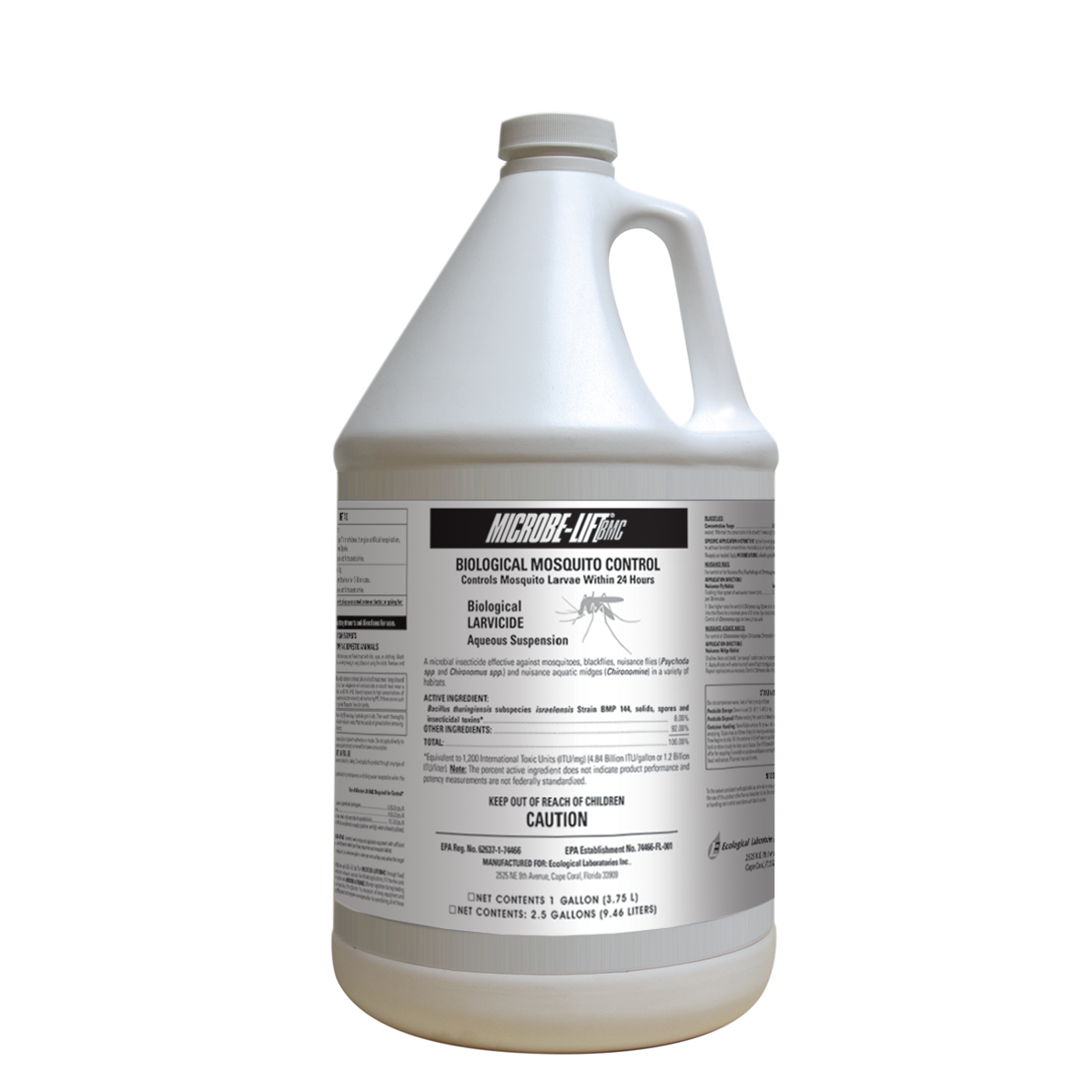
Microbe-Lift BTI is a powerful, EPA-registered larvicide powered by Bacillus thuringiensis israelensis (Bti). It specifically targets and kills fly, mosquito and fungus gnat larvae in soil or standing water without harming humans, pets, fish or beneficial pollinators.
Microbe-Lift BTI is widely used by indoor growers to target phorid fly and gnat larvae in root zones before they mature. It is applied as a soil drench by mixing a few drops into your regular watering can. Liquid BTI is incredibly effective and less messy than solid dunks or powder-based products.
How It Works
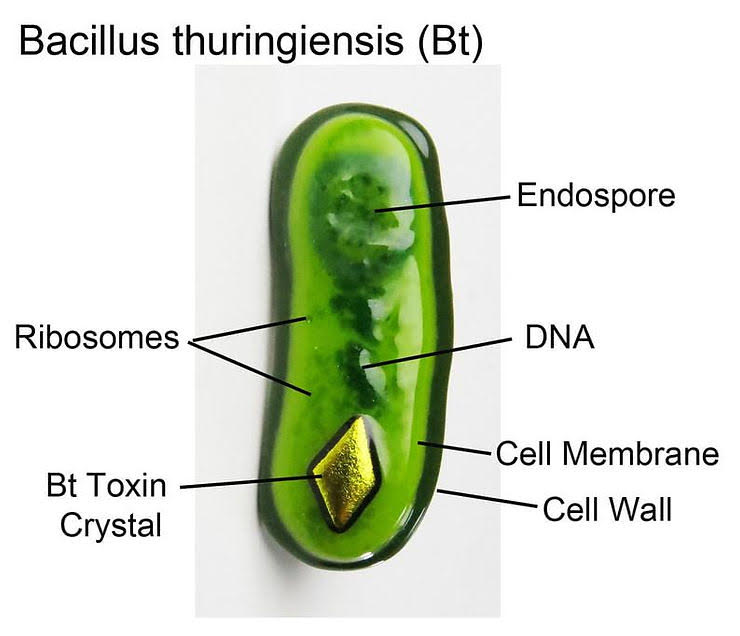
Bacillus thuringiensis israelensis (Bti) is a Gram-positive, spore-forming bacterium well-known for producing toxins that target the larvae of mosquitoes, black flies, and other related pests. It has gained widespread use as a biological control agent due to its high specificity for insect larvae and its safety for non-target organisms, including humans and wildlife. This makes Bti an ideal candidate for sustainable pest management in ecologically sensitive environments.
Bti produces several insecticidal crystalline proteins (ICPs), primarily Cry4A, Cry4B, Cry11A, and Cyt1A, which are toxic when ingested by insect larvae. Once inside the insect’s midgut, these toxins are activated by the alkaline environment, where they bind to receptors on the gut epithelial cells. This interaction forms pores in the gut lining, leading to cell lysis and the eventual death of the larvae through septicemia or starvation.
Due to this precise mechanism, Bti is highly effective against phorid fly and other black fly larvae.
Types of Insects against which Microbe-Lift BTI is Effective
Bacillus thuringiensis subsp. israelensis (Bti) is highly effective against a specific group of insects, particularly those in their larval stage. Here is a list of the primary insect groups that Bti can target:
Mosquitoes (Family: Culicidae): Aedes spp. Including Aedes aegypti, Aedes albopictus, which transmit diseases like malaria, dengue fever, Zika virus and chikungunya. Culex spp., which can carry West Nile virus and filarial parasites.
Black Flies (Family: Simuliidae): Simulium spp., known for their nuisance and ability to transmit diseases such as river blindness (onchocerciasis) in humans and various diseases in animals.
Fungus Gnats (Family: Sciaridae): Bradysia spp., commonly found in greenhouse environments, causing damage to plant roots.
Non-Biting Midges (Family: Chironomidae): Chironomus spp., of which large populations can be a nuisance in urban areas.
Other Aquatic Diptera: Various species of aquatic flies with similar larval biology to mosquitoes and black flies.
While Bti is highly selective in targeting these insect groups, it does not affect non-target organisms like beneficial insects (e.g., pollinators), mammals, birds, or aquatic organisms. This makes it a preferred option for environmentally safe biological control.
Uses and Applications of Microbe-Lift BTI
1. Biological Control of Mosquitoes
Bti is primarily utilized as a biolarvicide to control mosquito populations, particularly species that transmit harmful diseases such as malaria, dengue fever, and Zika virus. It is applied to mosquito breeding sites, including standing water in marshes, ponds, and sewage systems, where larvae thrive. The ability of Bti to specifically target mosquito larvae while being harmless to other aquatic organisms makes it an environmentally safe choice for controlling vector-borne diseases.
2. Sequential Fermentation with Sewage Sludge
One interesting application involves the use of sewage sludge in Bti production, in conjunction with Bacillus sphaericus. This sequential fermentation process helps convert waste materials into an effective biolarvicide, reducing costs and providing an environmentally sustainable method of producing Bti. Additionally, Bacillus sphaericusis often combined with Bti to enhance effectiveness against various mosquito species, further minimizing the chance of resistance development.
3. Biological Control of Black Flies
Bti is also highly effective in controlling black fly populations, which are notorious for spreading diseases among humans and livestock. The application of Bti to black fly breeding grounds (usually fast-moving rivers and streams) provides an eco-friendly solution to managing this pest. Like mosquitoes, black flies ingest the Bti toxins, leading to their death at the larval stage, reducing adult populations and preventing further disease transmission.
4. Agricultural Pest Control
Beyond mosquito and black fly control, Bti has shown promise in agricultural pest management, particularly against pests like beetles that cause crop damage. Due to its specific targeting of pests, Bti serves as an attractive alternative to chemical pesticides, which can harm beneficial insects, pollinators, and the surrounding environment.
5. Bioremediation Potential
Though less explored, Bti has potential applications in bioremediation. Its ability to control pests that contribute to water contamination can help in the restoration of polluted aquatic ecosystems. The reduction in pest populations through Bti applications can mitigate the spread of pathogens and pollutants, enhancing the health of water bodies.
Related Articles
Stay Informed with Chemtech International: Explore cutting-edge articles and breaking news in the world of chemical technology. Uncover innovations, industry insights, and advancements shaping the future of chemistry and beyond.



Have Any Questions Or Comments?
Call Us For Help!
888-709-8070