
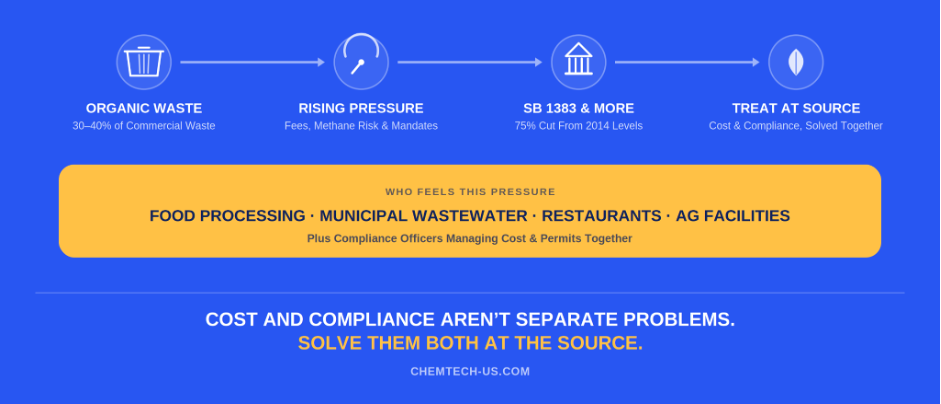
Did you know that organic waste accounts for roughly 30 to 40% of all waste generated commercially, and sending it to landfill is getting more expensive on every front at once:
- Disposal fees are rising.
- Methane liability is drawing regulatory attention.
- State-level compliance mandates are shortening the runway for facilities still treating organic waste as an afterthought.
Food processing facility managers, municipal wastewater operators, restaurant and hospitality operations teams, agricultural processing facilities, and environmental compliance officers managing disposal costs and permit compliance are all facing the same shift.
California’s SB 1383 requires a 75% reduction in organic waste disposal from 2014 levels, and similar legislation is rolling out across the US at a pace that makes “later” an increasingly risky plan.
Remember, facilities that treat organic waste at the source reduce both disposal cost and regulatory exposure at the same time, instead of managing the two as separate line items.
This article covers the main organic waste treatment methods, which approach fits which facility type, and what biological treatment actually does differently from the alternatives.
What Is Organic Waste and Why Does Treatment Matter Now?
Organic waste is any waste of biological origin — be it food scraps, agricultural residues, animal waste, biosolids, fats, oils, grease, and organic compounds present in wastewater.
When it decomposes under anaerobic conditions, it produces methane, a greenhouse gas roughly 28 times more potent than CO2, along with leachate, hydrogen sulfide, and ammonia. All four carry environmental liability when left unmanaged.
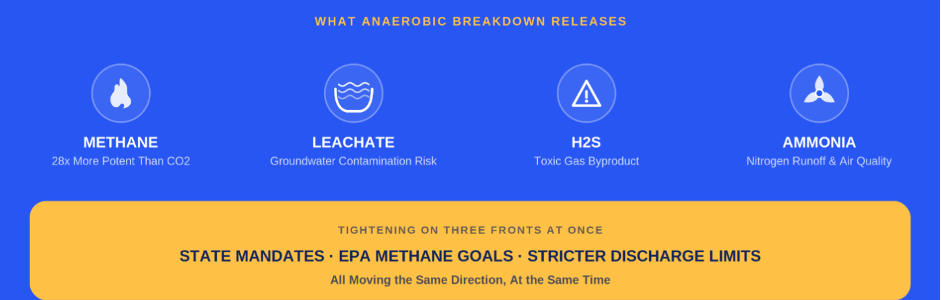
The regulatory landscape is tightening on multiple fronts simultaneously: state organic waste diversion mandates, EPA methane reduction goals, and progressively stricter discharge permit limits are all moving in the same direction at the same time.
Facilities that build an active organic waste management strategy now are ahead of requirements that will become mandatory regardless of when they act.
Practical Organic Waste Treatment Methods
There are four established approaches for organic waste treatment, each suited to different waste volumes, facility types, and treatment goals:

Composting – Composting and manure management involve controlled aerobic decomposition to convert organic waste into nutrient-rich compost. It requires space, feedstock management, and time, which is best suited to agricultural operations and municipal green waste programs with land available for the process.
Anaerobic digestion – Anaerobic digestion relies on microorganisms breaking down organic waste without oxygen, producing biogas, primarily methane, and digestate as byproducts. It is capital-intensive to implement but generates renewable energy in return, making it viable at large food processing and municipal biosolids scale where the volume justifies the investment.
Incineration – Incineration or thermal treatment uses high-temperature combustion or pyrolysis to reduce organic waste volume rapidly. The process is energy-intensive, generates emissions, and is losing regulatory favor in most jurisdictions as cleaner alternatives mature.
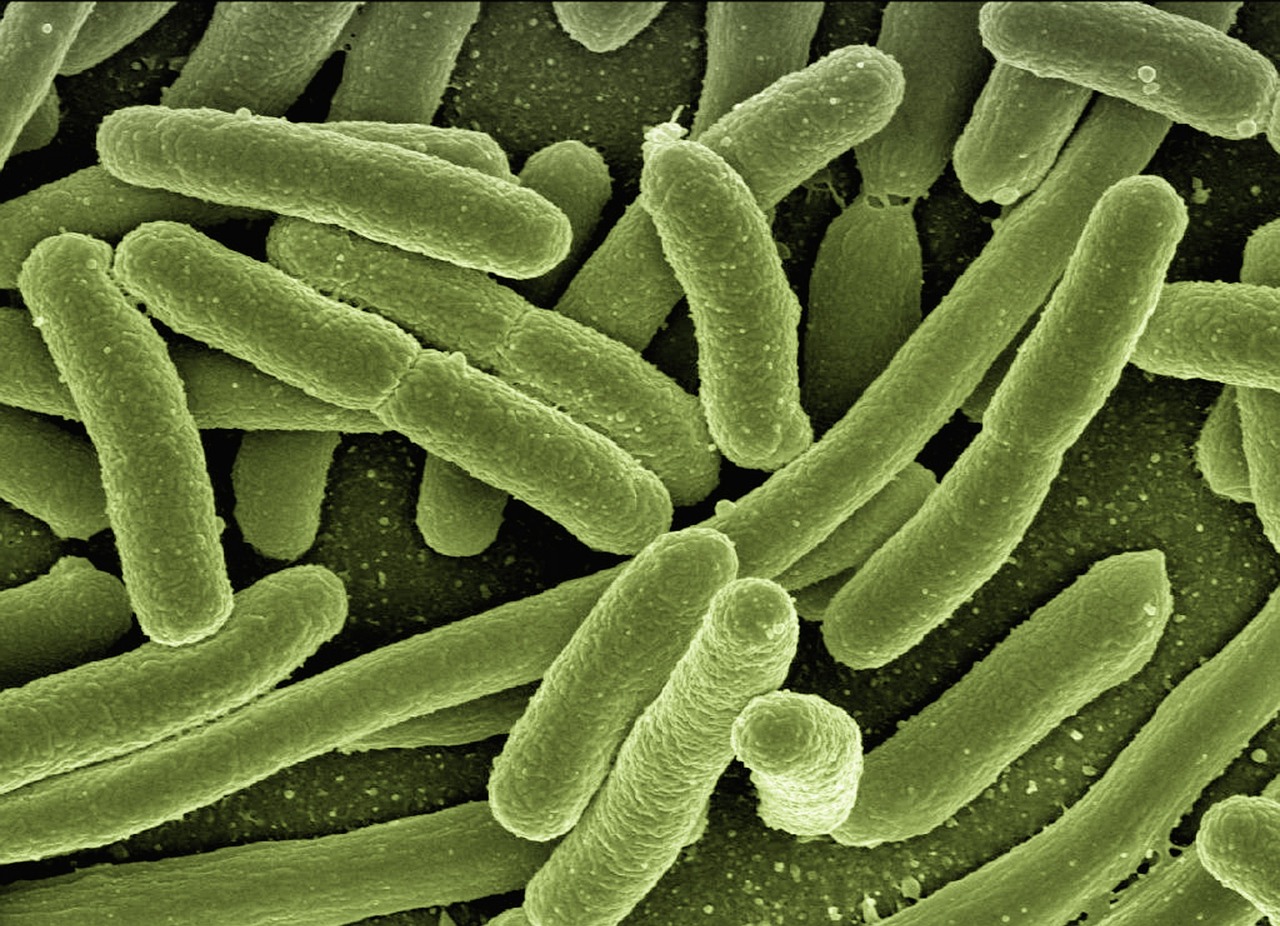
Bioaugmentation – Bioaugmentation is biological treatment of water that introduces specialized microbial cultures into existing wastewater or waste handling systems to degrade organic compounds at the source. This is the only method on the list that requires no new capital infrastructure; it works within systems facilities already operate, reducing BOD, COD, TSS, odor, and sludge simultaneously.
Organic Waste Treatment by Facility Type

Depending on the nature and function of various facilities, there are different approaches to treat organic waste produced everyday.
Food Waste Treatment in Food & Beverage Processing Facilities
High-strength organic waste streams in food production, meat and dairy processing, and commercial kitchens generate fats, proteins, and fermentable carbohydrates that overload standard wastewater treatment systems.
Biological food waste treatment applied at the source – in process drains, grease traps, and collection systems – reduces organic load before it reaches downstream treatment, cutting BOD and TSS in effluent simultaneously.
Facilities operating under discharge permit limits see a dual benefit of compliance improvement and reduced surcharges from the same biological program.
Organic Waste Management in Municipal Wastewater Systems
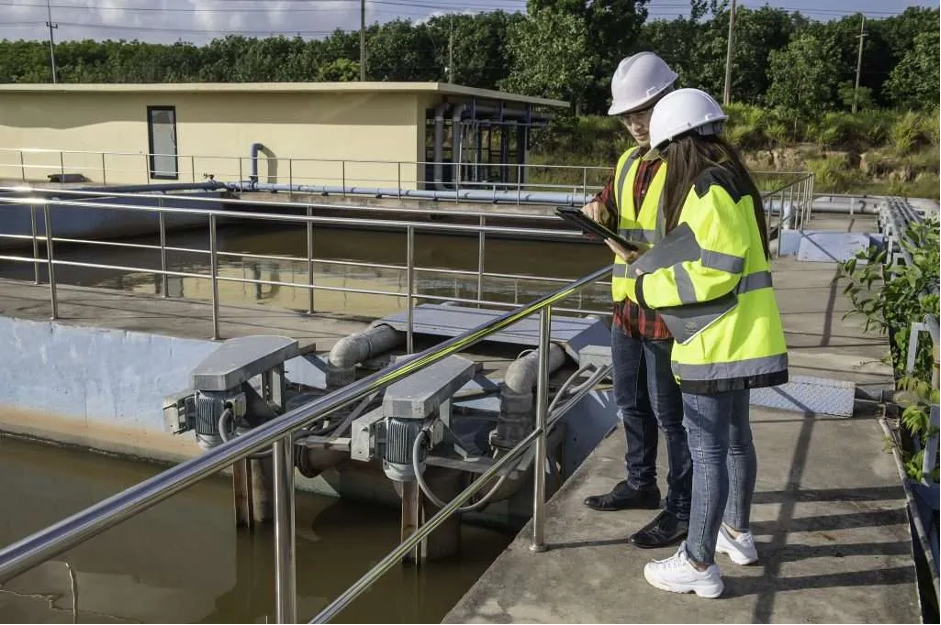
Municipal systems receive organic waste from residential, commercial, and industrial sources simultaneously, and managing that combined organic load is the core operational challenge for most treatment plant operators.
Bioaugmentation restores or amplifies biological populations in treatment basins, improving organic degradation rates and reducing sludge production without requiring any capital modification to the existing plant.
Biological treatment also plays out very well when different industries in a municipal region feed into the same water or sewage treatment infrastructure.
Agricultural & Animal Waste Treatment
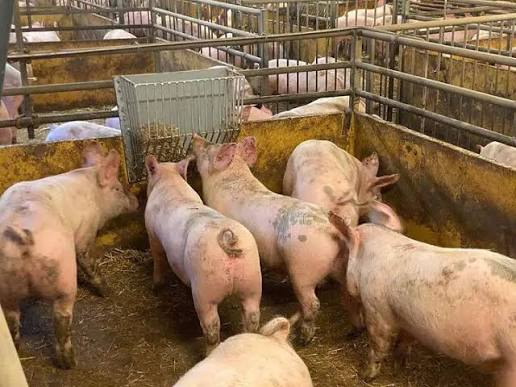
Manure lagoons, silage runoff, and poultry and hog waste streams carry high nitrogen, phosphorus, and organic compound loads that create stiff treatment and odor challenges.
Biological treatment maintains active degradation in lagoons, reducing odor, H2S, and ammonia while improving effluent quality before land application or further treatment. This helps farms reclaim biological efficiency and reduce long-term sludge buildup in water and soil.
Organic Waste Treatment in Grease Traps and Lift Stations
FOG accumulation in grease traps, lift station wet wells, and collection system pipes creates persistent odor and infrastructure damage that compounds over time.
When you supply consistent biological dosing, it starts to degrade FOG and organic solids before they accumulate, preventing blockages and reducing pump maintenance frequency, turning a recurring maintenance cost into a manageable, predictable one.
Also significant is the additional benefit of reduced odors at the pump station.
Why Biological or Organic Waste Treatment Outperforms Other Approaches at Operating Facilities
Composting and anaerobic digestion are valuable at scale, but they require capital, space, and infrastructure that most operating facilities do not have and cannot easily justify building. Moreover, incineration is energy-intensive and increasingly restricted by regulation.
Biological treatment through bioaugmentation is the only approach on this list that works within existing wastewater and waste handling systems without modification, which is precisely why it fits the reality most facility operators are working with.
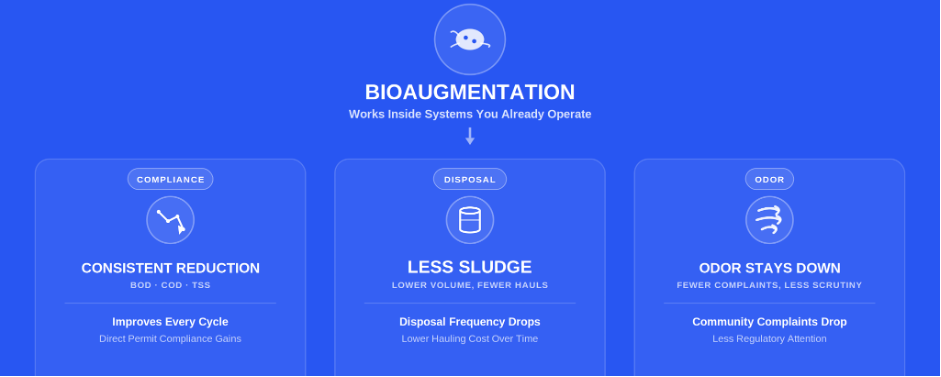 Three outcomes compound over time in facilities running active biological organic waste treatment programs. You see consistency in BOD, COD, and TSS reduction, directly improving discharge permit compliance.
When sludge volume drops, it lowers disposal frequency and hauling costs, and as a result, odor stays controlled, reducing both community complaints and regulatory scrutiny.
The same microbial cultures that degrade organic waste also improve overall treatment system performance, which is what makes a biological program a treatment efficiency investment rather than simply another waste management line item on the budget.
Chemtech Products for Organic Waste Management
Here are three of the most effective solutions for organic waste treatment and food waste management by Chemtech International –
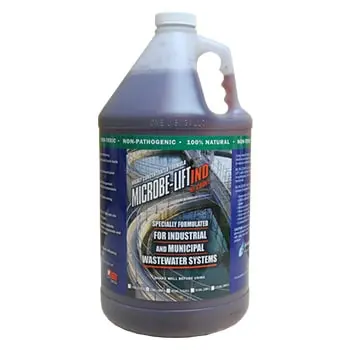
A highly active liquid culture consortium that degrades fats, proteins, carbohydrates, phenols, and sulfur compounds in food processing and industrial organic waste streams. Reduces BOD, COD, TSS, H2S, and ammonia simultaneously. Works in lagoons, activated sludge systems, digesters, grease traps, and lift stations.
CHM-207 High Impact Grease Digester & FOG Reducer
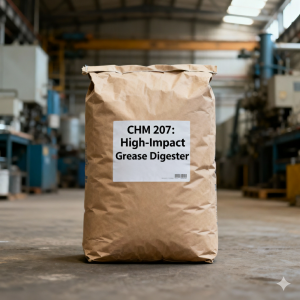
Specifically formulated for waste streams with high levels of fat, oil and grease in food processing, commercial kitchens, and grease trap applications. Degrades oils and fats associated with different organic compounds at the point of accumulation before they become a blockage or odor problem.
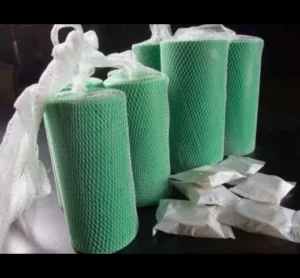
A solid, slow-dissolving biological treatment format for continuous organic waste digestion in lift stations, wet wells, and high-flow systems. Provides sustained biological dosing over a 30 to 90-day dissolve period without manual reapplication, reducing labor and ensuring consistent treatment between service visits.
Ready to Build an Active Organic Waste Treatment Strategy at Your Facility?
Organic waste treatment is no longer just an environmental responsibility; it is a compliance requirement with a regulatory timeline attached, and that timeline is only getting shorter as more states follow California’s lead.
Facilities that treat organic waste at the source with biological programs reduce disposal costs, improve treatment performance, and stay ahead of mandates that are expanding every year rather than scrambling to catch up once enforcement begins.
Chemtech’s biological formulations are matched to the specific organic waste streams generated across food processing, municipal, and agricultural operations.
Explore Chemtech’s organic waste treatment solutions or request a customized quote for your facility from our team!
About Author

Neel Daphtary
Neel Daphtary is the President of Chemtech International. He oversees sales, distribution and business development. He excels at helping pharmaceutical and manufacturing firms find the right processes and environmental solutions. Neel is an active member of Global Philadelphia, an organization committed to community development in PA.


Have Any Questions Or Comments?
Call Us For Help!
888-709-8070