
It goes without saying that industrial processes produce harmful waste, and that waste can severely harm freshwater supplies and aquatic ecosystems if left untreated. Research shows that around 48% of global wastewater production is released to the environment untreated.
Certain industries release more industrial wastewater than others. These industries in particular need to implement the highest standards of wastewater treatment to mitigate harmful effects to their communities and the environment as a whole.
Key Takeaways:
- Industrial wastewater is a byproduct of many manufacturing processes that expose the water supply to harmful chemicals, substances, and other forms of waste.
- Industries that produce high volumes of wastewater may need to implement pretreatment strategies to protect their own interests as well as the community and environment.
- The industries that need wastewater treatment the most include chemical manufacturing, textiles, and food processing.
What Is Industrial Wastewater?
Many industries use high volumes of water not only for cleaning but also for numerous other processes involved in production or manufacturing. In doing so, water becomes exposed to chemicals, waste, and other harmful substances before returning to the sewage system.
This industrial wastewater can ultimately damage the environment or even cause catastrophic clogging in a business’s own pipe systems. Left unchecked, the industrial wastewater from multiple businesses in a community can also become more than what a municipal wastewater treatment plant can handle.
For these reasons and more, industrial wastewater pretreatment is a practice that manufacturers and industrial leaders should consider. Building an on-site wastewater treatment strategy can boost a company’s compliance, help the environment, and even drive business success by keeping operations running smoothly.
Getting started with an industrial wastewater treatment plan is also surprisingly simple. There are a number of affordable wastewater treatment technologies that industrial plants can implement at low risk. These include Imhoff tanks, pond systems, and sand filtration solutions.
Some industries need to gain wastewater awareness and take environmentally conscious steps more than others. Those that produce the most industrial wastewater are at risk of impeding the municipal wastewater treatment plants in their communities or even damaging their own on-site water systems to the point of halting operations if they take no preventative action.
Which Industries Produce the Most Industrial Wastewater?
Industrial wastewater comes in many forms. Water becomes contaminated when exposed to chemicals, heavy metals, organic solids, infectious microorganisms, and other pollutants. Several industries produce high volumes of harmful wastewater, and each requires its own unique approach to treating that waste.
Chemical Manufacturers
Chemical manufacturing encompasses several categories including pharmaceuticals, petroleum, paint, and others. Each of these sectors in the chemical manufacturing industry uses water in the process of manufacturing their products, and that water becomes unusable waste until it undergoes thorough treatment.
Drug manufacturing, for example, generates several possible types of waste:
- Controlled drug waste
- Residual drug waste
- Non-controlled drug waste
- Nonresidual drug waste
There are many factors at play within the pharmaceutical industry alone, not to mention the many other sectors within the chemical manufacturing sphere as a whole. Chemical manufacturers can relieve municipal wastewater treatment plants of much of their burden by taking on certain pretreatment processes within their own operations.
Textiles
The textile industry includes manufacturers that produce yarn, cloth, clothing, and similar products. While many people outside of the textile industry might not immediately recognize the potential for textile manufacturing to produce high volumes of wastewater, it is actually one of the foremost contributors of industrial wastewater.
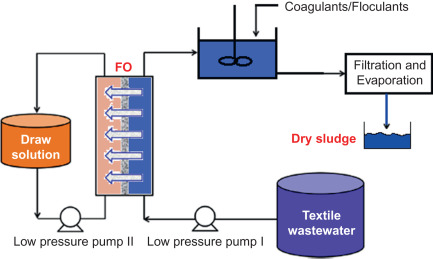
Textile manufacturing does, in fact, require significant amounts of water for its processes, The industry also uses copious amounts of bleach and dyes to produce items of various colors. These chemicals are absolutely harmful to people and the environment, requiring the industry’s tremendous volume of wastewater to undergo significant treatment.
Food Processing
Food processing refers to any industrial process that converts agricultural products such as meat, fruit, and vegetables into consumer-ready food items. Wastewater generated by the food processing industry can contain blood, organic waste, and high concentrations of particulate organic matter from plants.
Food processing plants can make use of concentrated powdered bacterial blends to break down and digest many types of organic waste before releasing wastewater off-site as an effluent. CHM205, distributed by Chemtech, is an example of a specially formulated blend that uses active aerobic and anaerobic bacteria cultures to digest animal fats, oils, and greases that are common waste products in the food processing industry.
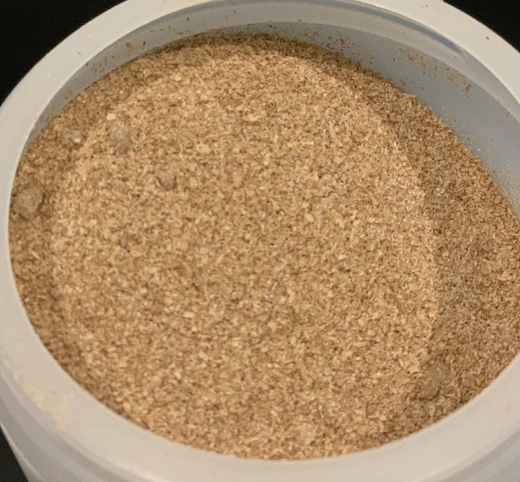
Alt Text: Powdered bacterial product distributed by Chemtech for wastewater treatment
Automotive
The automotive industry offers services such as vehicle repair and maintenance that generate large volumes of wastewater containing harmful liquids used in those services. These liquids include:
- Oil
- Grease
- Paint
- Solvents
- Antifreeze, transmission fluid, and other chemical solutions
There are laws in place that prohibit auto body shops from simply dumping contaminated water down a typical drain. They must dispose of their wastewater according to established practices or, better yet, subject it to on-site pretreatment.
Oil & Gas
Businesses in the oil & gas industry generate a profit by extracting oil from wells, storing large quantities in huge storage tanks, and shipping the crude oil to a refinery where it undergoes conversion into usable fuel. Of course, oil companies must thoroughly clean used tanks and containers, not to mention any unfortunate spills that may occur.
The result is that oil & gas operations generate a huge amount of industrial wastewater. However, it is important for leaders in the oil industry to keep in mind that certain types of oil waste are eligible for recycling.
Solutions for Handling Industrial Wastewater
For industries that generate more wastewater than others, on-site pretreatment options provide an opportunity to enhance sustainability initiatives and take otherwise costly drain upkeep into their own hands. Wastewater treatment products from Chemtech are safe, natural, and effective solutions for handling industrial wastewater in an environmentally friendly way.
Chemtech’s Microbial products contain powerful bacteria and enzymes that act as organic catalysts to accelerate the degradation of many organic polymers, including those produced by even the most wastewater-intensive industries. Contact us today to get a free quote on our products.
About Author

Neel Daphtary
Neel Daphtary is the President of Chemtech International. He oversees sales, distribution and business development. He excels at helping pharmaceutical and manufacturing firms find the right processes and environmental solutions. Neel is an active member of Global Philadelphia, an organization committed to community development in PA.


Have Any Questions Or Comments?
Call Us For Help!
888-709-8070