
Let’s just get this out of the way, if you’re running modern livestock operations, you’re drowning in organic waste. Period. Hog and poultry farms, in particular, need to manage that manure efficiently, or you’re asking for trouble like environmental fines, nasty odor disputes, and sick animals.
When that waste sits in pits or lagoons without proper handling, it ferments and produces dangerous, toxic stuff like hydrogen sulfide (H₂S) and ammonia. Those gases can literally kill your livestock, create major safety risks for your crew, and absolutely wreck your relationship with the local community.
This guide cuts through the noise. We’re covering every detail of hog manure systems, pig and poultry handling challenges, wastewater treatment in the meat and poultry industries, and the game-changing biological solutions available today. It’s time to stop storing waste and start processing it.
What is Manure Management in Hog and Chicken Farms?
Manure management is the full process of collecting, storing, treating, and utilizing that animal waste. Most animal rearing facilities use a few key containment structures like the deep pits right under the barns, massive manure lagoons, sealed slurry tanks, or dedicated composting piles.
All of this waste undergoes anaerobic digestion which is the natural, no-oxygen breakdown process. While that sounds fine, it’s the exact source of your problems, as this decomposition is what releases those toxic gases, hydrogen sulfide and ammonia.
The way you handle this process is the difference between a compliant, healthy farm and one that’s constantly fighting a losing battle.
Common Hog and Pig Manure Management Challenges
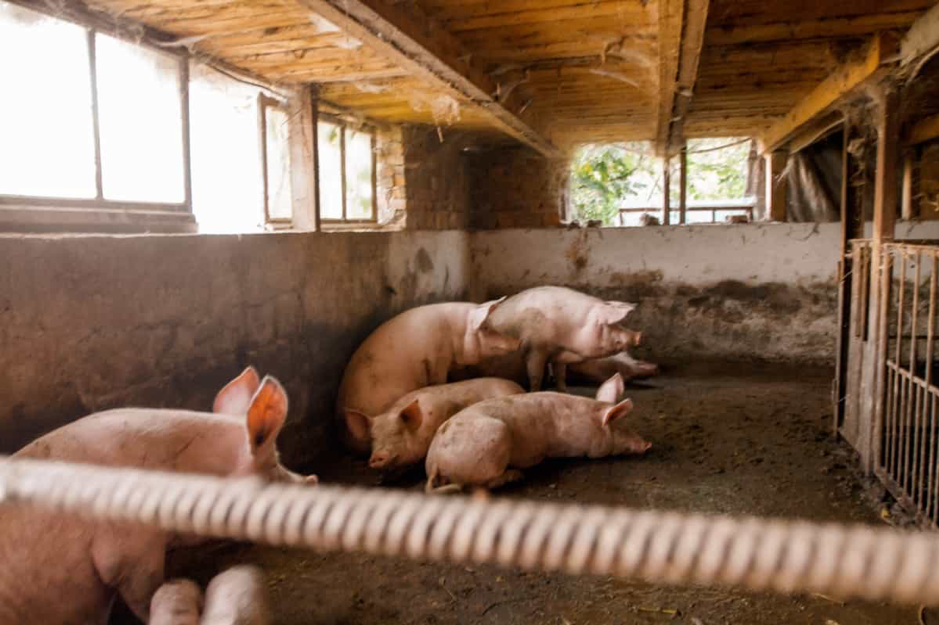
Hog farms primarily use liquid manure systems, which means waste is sitting in deep pits or open lagoons. This liquid environment speeds up the biological fermentation, creating a specific set of nightmares you have to deal with:
- Hydrogen sulfide (H₂S) gas buildup: This stuff is lethal. It builds up fast and is an extreme, deadly safety risk for anyone working near agitated pits.
- High ammonia emissions in barns: Terrible air quality stresses the pigs and causes serious respiratory problems for animals and workers.
- Sludge accumulation in manure pits: Solids settle out, stealing pit capacity and making it expensive and frustrating to pump out the manure.
- Floating crust formation in lagoons: A thick, nasty crust traps gases and odors, making the lagoon system totally inefficient.
- Odor complaints from nearby communities: This is usually your biggest PR headache.
- Difficulty pumping manure due to solids buildup: Sludge and dense solids clog the lines and make your entire operation slow down.
- Increased fly populations: Organic waste is a magnet for pests.
- Inconsistent manure nutrient composition: Trying to use it as a fertilizer becomes a guessing game.
Common Chicken and Poultry Manure Management Challenges
 Poultry farming typically deals with a drier, solid waste, often mixed with bedding. The huge nitrogen content in poultry manure creates its own set of distinct headaches:
- High ammonia levels in poultry houses: Nitrogen volatilizes quickly, leading to burning ammonia concentrations that harm the birds’ respiratory systems.
- Strong odors from poultry manure piles: Stored solid waste smells potent, leading to inevitable community issues.
- Slow decomposition of manure and bedding: The carbon-to-nitrogen ratio and dry nature can cause the breakdown process to drag on forever.
- Nutrient imbalance in poultry manure fertilizer: While it’s high-nitrogen, getting a consistent, usable fertilizer out of it is tough.
- Pest and fly population growth: Solid manure piles are prime breeding sites.
- Pathogen growth in unmanaged manure piles: Improper piles allow harmful bacteria and pathogens to thrive.
- Dust and airborne particles from dry manure: Handling dry waste compromises air quality for everyone in the house.
A Modern Approach of Biological Manure Treatment
You can’t solve chronic problems with temporary fixes. Traditional approaches like mechanical mixing, throwing harsh chemicals in, or expensive lagoon dredging are a waste of time and money. They don’t fix the core issue.
The industry has moved on to modern biological solutions for waste treatment, which are cheaper and far more effective. This strategy uses specialized, beneficial microbes to completely change how waste breaks down, giving you three major wins on total odor control, massive sludge reduction, and nutrient stabilization.
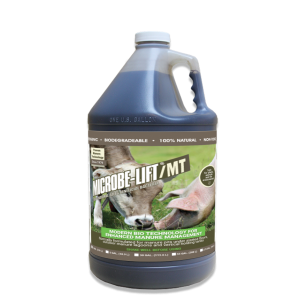
To kickstart this crucial process, we recommend Microbe-Lift microbial treatment. You can spray it on compost piles or drop it in your pits to aggressively accelerate biological waste breakdown.
How to Manage Hog Manure Lagoons and Waste Pits
Lagoons and pits are storage. They’re constantly battling sludge buildup, floating crust layers, awful odor emissions, and gas hazards. To effectively manage them, you need a smart, one-two biological punch:
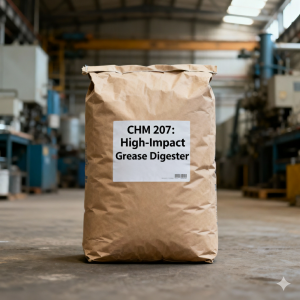
For active treatment, use CHM-207 lagoon treatment. This biological additive is made for lagoons and deep pits. It radically improves digestion and liquefies your waste solids, making it easier and cheaper to pump.
For continuous maintenance, we recommend a comprehensive microbial lagoon treatment with Bio Blocks. These eco-friendly “blocks” release microbes slowly, providing steady, long-term support for waste digestion and keeping your system balanced.

How to Control Odor and Gas Emissions in Animal Barns
Barn air quality is a non-negotiable health and safety issue. Both hydrogen sulfide and ammonia are direct byproducts of manure fermentation. They are a serious, immediate threat to your crew and they cause respiratory stress in your animals.
The goal is to shut down the gas generation before it happens. Targeted microbial biological pathways can reduce the generation of these gases at the source. This means lower concentrations of H₂S and ammonia, a much healthier barn environment, and a huge drop in those inevitable odor complaints.
Manure Composting and Solid Waste Treatment
Composting is how poultry and dairy farms turn waste into a saleable product. But if you’ve run compost piles, you know the headaches of slow breakdown, reeking odors, and pest infestations.
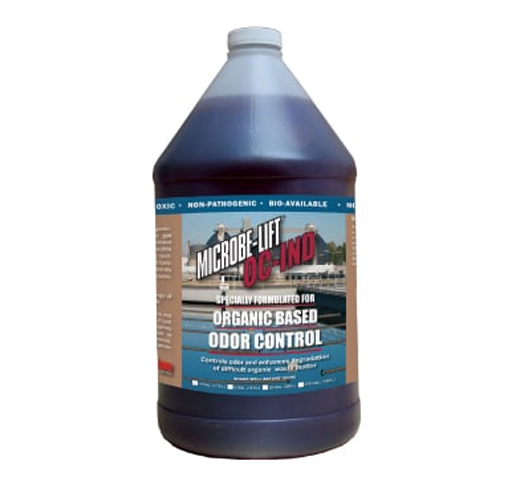
To get rapid, complete, and low-odor decomposition, you need to supercharge the biology of the whole ecosystem. Microbe-Lift IND is the ideal microbial compost treatment product for this. Spraying this liquid solution directly onto your piles introduces targeted microorganisms that accelerate organic breakdown and virtually eliminate offensive odors.
Biological Solutions Work Best for Manure Management
Chemtech helps you stop fighting your waste and start processing it. Our biological solutions are proven to tackle the most stubborn industry challenges such as:
- Drastically reduced hydrogen sulfide and ammonia levels
- Improved manure digestion and liquefaction
- Significant sludge reduction, restoring lagoon/pit capacity
- Safer, healthier barn environments
If you manage major organic waste, this applies to you. Our solutions are engineered specifically for
- Hog and pig farms
- Poultry and chicken farms
- Dairy processing plants
- Manure composting facilities
- Meat packaging plants
- Biogas plants (especially in EU and Asian markets)
Explore Chemtech’s specialized biological solutions today! It’s time to move your farm from reactive waste storage to proactive environmental control.
About Author

Neel Daphtary
Neel Daphtary is the President of Chemtech International. He oversees sales, distribution and business development. He excels at helping pharmaceutical and manufacturing firms find the right processes and environmental solutions. Neel is an active member of Global Philadelphia, an organization committed to community development in PA.

Have Any Questions Or Comments?
Call Us For Help!
888-709-8070