
Step inside any meat processing facility, and you’ll find one thing running through every corner: water.
From washing carcasses and sterilizing tools to cooling and cleaning conveyor belts, thousands of gallons move through these plants every single day.
The problem? Once used, that water is no longer clean. And this is a bigger problem in meat processing than most other industries.
It’s now loaded with fats, oils, grease (commonly called FOG), blood, proteins, and detergents—a challenging mix that needs serious treatment before discharge.
And in such situations, wastewater treatment in the meat processing industry becomes quite important. More than meeting discharge permits or avoiding fines, wastewater treatment in meat, dairy and food production is about keeping the plant running efficiently, controlling odor, and building community trust.
When done right, wastewater treatment can even turn a costly problem into a sustainability opportunity by producing reusable water, renewable energy, and a cleaner reputation.
In this guide, I’ll walk you through what really happens behind the scenes when it comes to wastewater treatment in the meat industry, while covering some of the biggest challenges, practical treatment methods, new technologies, and the smarter ways forward.
For a change from my usual writing sequence, I’ll have you look at the main hurdles first.
Key Challenges in Wastewater Treatment in the Meat Processing Industry

When it comes to the meat drain plant, the wastewater is thick, organic, and highly variable.
Each shift brings a different mix depending on the products processed, cleaning routines, and line downtime.
Here are some key challenges of wastewater treatment in the meat processing industry
1. Fats, Oils, and Grease (FOG)
Honestly, FOG is the nightmare of every wastewater operator. It builds up inside pipes, slows down flow, and forms floating layers that choke treatment systems.
Additionally, in cold weather, fats congeal even faster, creating a crust that’s tough to break down. And when you don’t have a proper plan for FOG management in place, it can turn a clarifier into a fatberg.
2. Protein and Blood Waste
Moving next, protein waste and blood increase oxygen demand (BOD/COD) and speed up bacterial growth.
Without proper control, this can create odor, foaming, and unstable sludge in aeration tanks.
3. Variable Load and Temperature
Now, unlike continuous industries, meat processing is batch-based. When the production is at the peak, washdowns and cleaning cycles cause hydraulic and organic surges.
And the wastewater arriving at the plant can shift drastically within hours, resulting in biological systems being off balance.
4. Ammonia and pH Fluctuations
Lastly, high protein degradation generates ammonia, and when it is combined with cleaning chemicals, it results in a volatile mix that can swing pH from acidic to alkaline, which is not ideal for the bacteria that act as a catalyst for water treatment processes.
So your first step would be to use an ammonia reduction agent at your meat processing plant before moving on to other water treatment products.
Consistency and method is everything in treating wastewater and other organic waste. And you need to start with preliminary treatment or pre-treatment.
Pretreatment: The Foundation of Wastewater Handling in Meat Processing

Pretreatment, in short, is a combination of four aspects – mechanical screening, grit and grease traps, Dissolved Air Flotation (DAF), and flow equalization tanks!
And if even one of the steps is mistaken, everything downstream becomes harder and more expensive. Here’s what solid pretreatment looks like:
1. Mechanical Screening
The main job of mechanical screening is to remove bones, fat chunks, and tissue before they enter treatment tanks because a clogged screen on a Monday morning can cause a full-blown overflow by lunch.
2. Grit and Grease Traps
Once the screening is done, grit and grease traps capture sediment, sand, and floating fats before they can clog pumps or aeration blowers.
Remember, regular cleaning keeps the flow consistent.
3. Dissolved Air Flotation (DAF)
This is the unsung hero of the meat industry. The job of DAF is to inject microscopic air bubbles to lift FOG and suspended solids to the surface, where they’re skimmed off.
When fine-tuned, DAF can remove up to 90% of fats and oils, which further prevents major headaches later.
4. Flow Equalization Tanks
Last but not least, this step smooths out flow fluctuations. Equalization tanks store wastewater temporarily, sending it forward at a steady rate so downstream processes aren’t overwhelmed.
Biological Wastewater Treatment in the Meat Processing Industry
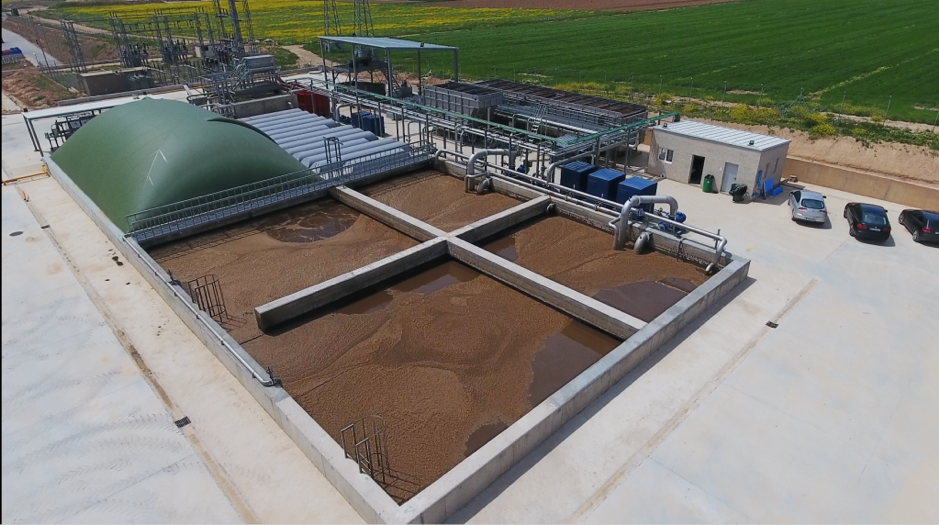
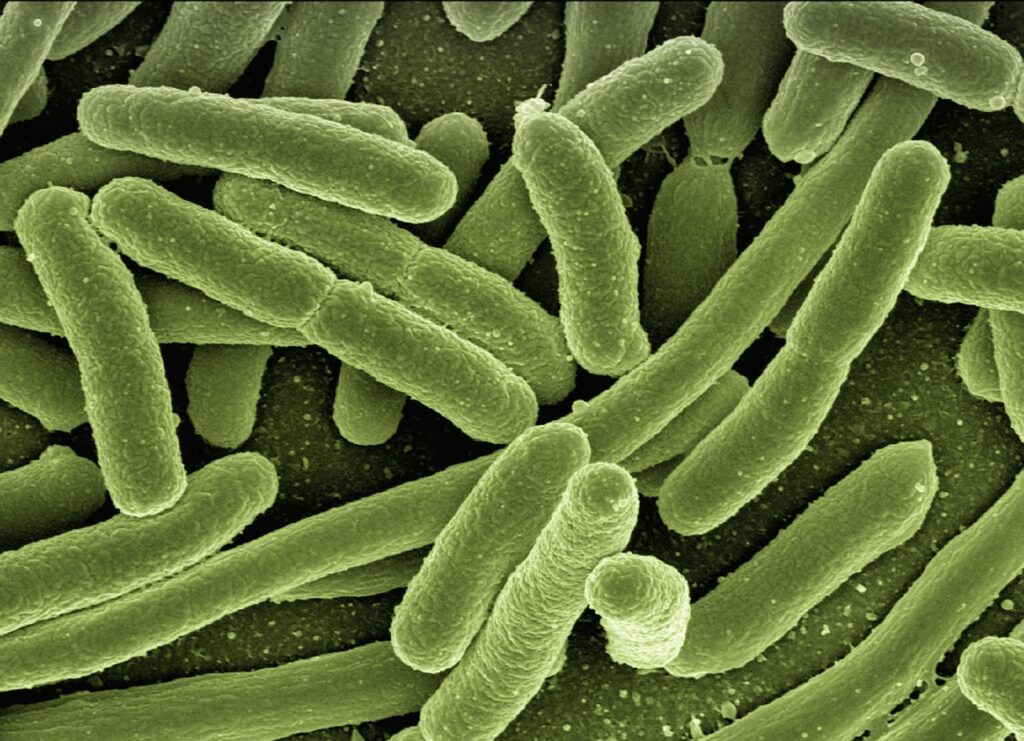
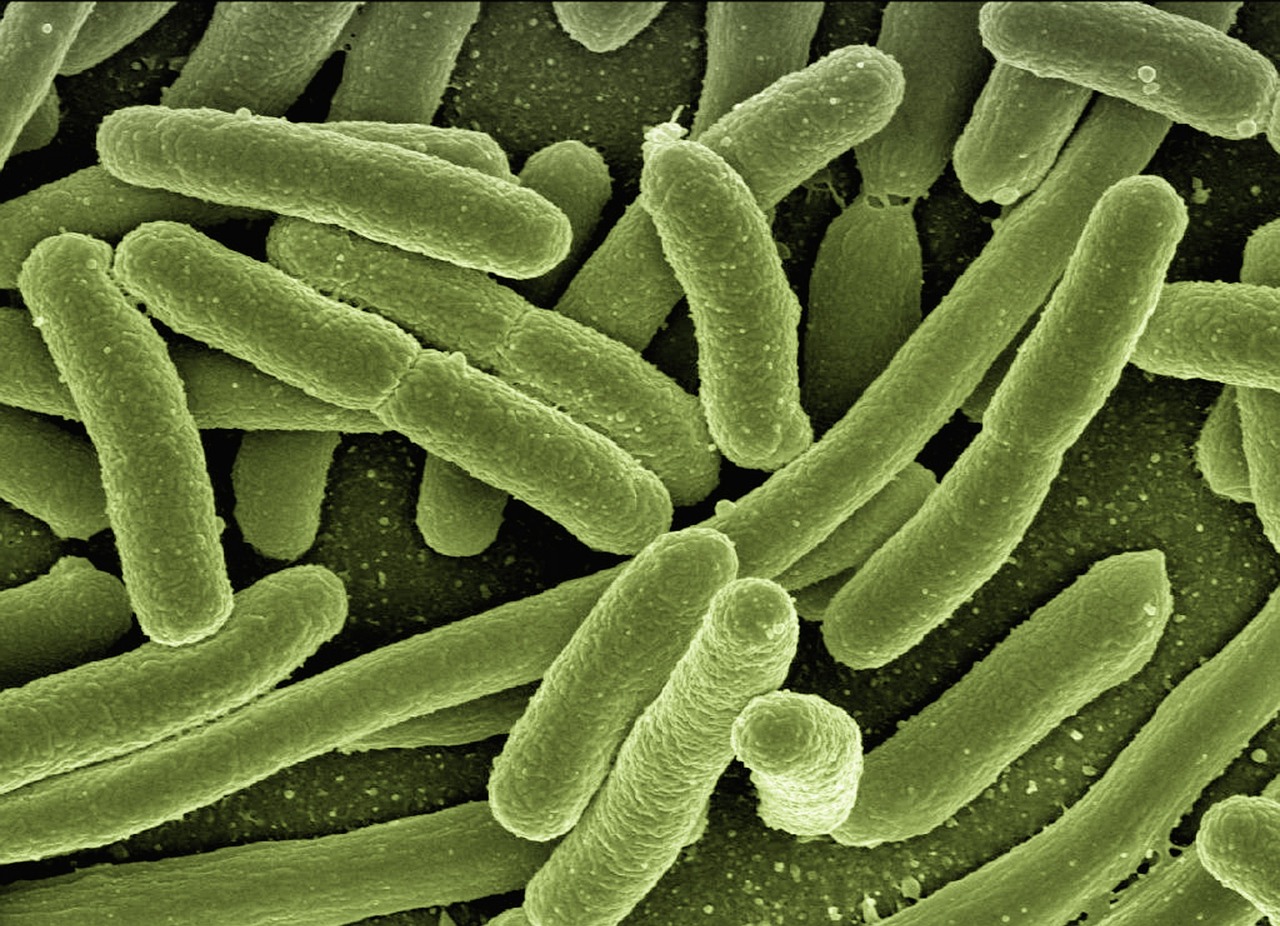
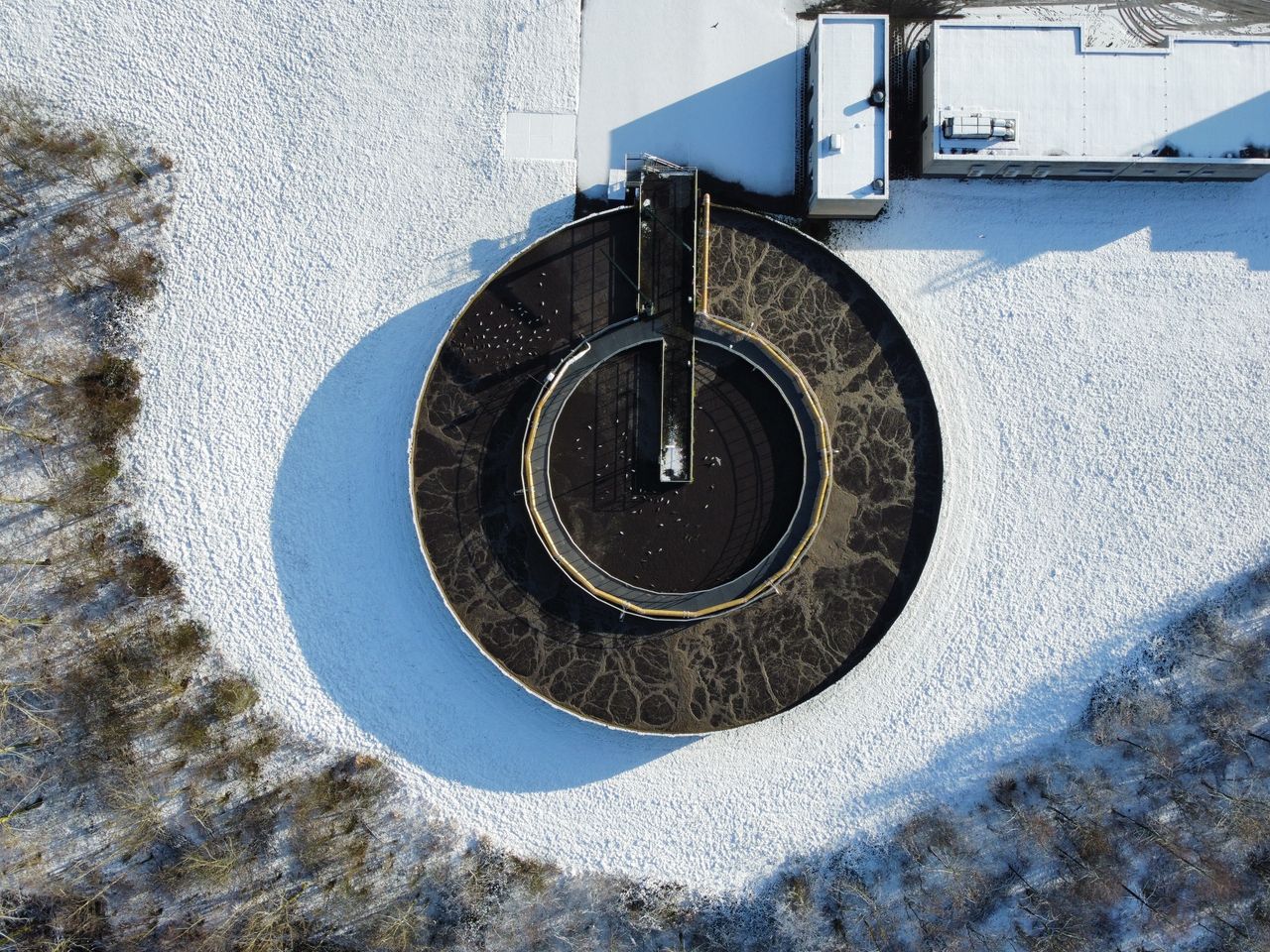
After the fats and solids are out, it’s time for the microbes to do their magic. Biological treatment is where the heavy lifting happens as bacteria break down and dissolve organics, stabilize the waste, and create reusable water.
This can happen in different ways:
Aerobic Treatment
Systems like activated sludge tanks, oxidation ditches, and sequencing batch reactors (SBRs) are quite common when it comes to biological wastewater treatment. This treatment relies on oxygen to feed the bacteria that consume organic matter. However, if the oxygen levels drop, the quality of treatment can go down and odors rise, so it becomes important to maintain healthy levels of oxygen.
Anaerobic Digestion
Anaerobic digesters are a game-changer for higher-strength wastewater. The main difference between aerobic treatment and anaerobic treatment is that anaerobic treatment works without oxygen, using bacteria that produce biogas, which is a renewable fuel that can power boilers or generators.
The best part is that some modern plants recover enough energy from digesters to offset a significant portion of their heating needs.
The Biological Balancing Act
In the meat wastewater treatment industry, operators often joke that “the bugs run the plant.” And it’s true because healthy microbes mean smooth operations. Nutrient balance (carbon-nitrogen-phosphorus ratio), temperature stability, and steady feeding keep these systems thriving.
If you’re confused which treatment to approach, we would recommend that a mix of aerobic and anaerobic processes gives the best of both worlds, with cleaner discharge, lower sludge volumes, and even energy recovery.
Advanced Wastewater Treatment Technologies for the Meat Processing Industry
Once the biological step is done, advanced polishing technologies take over for wastewater treatment in the meat processing industry to make sure effluent is clear, odor-free, and safe for discharge or reuse.
Here are 3 advanced wastewater treatment technologies you should know about:
Membrane Filtration Systems: Ultrafiltration (UF) and reverse osmosis (RO) systems push water through fine membranes to remove even the smallest particles and pathogens. Many plants reuse this polished water for equipment cleaning or non-contact cooling.
Activated Carbon Adsorption: Activated carbon removes trace organics and odor compounds that survive biological treatment.
Disinfection: UV or chlorine treatment ensures that the microbial safety of water is maintained or reused. This final polish protects nearby waterways and maintains compliance with local discharge permits.
The big win in each of these systems is that they dramatically reduce the plant’s environmental footprint. This is something every food producer is today being measured against.
Build Smarter Wastewater Treatment Systems for the Meat Processing Industry with Chemtech
At the end of the day, wastewater treatment in the meat processing industry is about control over compliance, cost, and community impact.
The key is to focus on three pillars:
- Strong pretreatment to remove fats and solids early.
- Balanced biology to keep treatment stable and odor-free.
- Modern monitoring to prevent issues before they start.
Chemtech offers a whole range of safe, natural, bio-based products for water treatment and FOG removal for the meat, dairy and food processing industry, among others.
Our products range from septic waste removal compounds to sludge reduction in fish ponds, to odor control in factory environments.
Remember: cleaner discharge isn’t just about compliance but also about operational pride. The cleaner your outflow, the smoother your processes, and the better your brand reputation.
Because at the end of the day, every drop leaving your plant represents your company. It is an amplifier of how seriously you take responsibility for the community and ecosystem down the stream.
About Author

Neel Daphtary
Neel Daphtary is the President of Chemtech International. He oversees sales, distribution and business development. He excels at helping pharmaceutical and manufacturing firms find the right processes and environmental solutions. Neel is an active member of Global Philadelphia, an organization committed to community development in PA.

Have Any Questions Or Comments?
Call Us For Help!
888-709-8070