
The complaint usually starts with a neighbor. Then a second one. Then a call from the county. By the time a farm operation is fielding regulatory inquiries about odor, the problem has been building for a while in the lagoon, in the pit, in the litter, and the masking spray someone ordered months ago clearly is not holding.
Commercial hog farm operators, poultry and chicken farm managers, agricultural facility managers near residential communities, and farm environmental compliance officers all know this pattern. The smell is not random. It is the direct result of anaerobic bacterial breakdown of manure, generating hydrogen sulfide, ammonia, and mercaptans continuously, as every hour of every day the animals are producing waste.
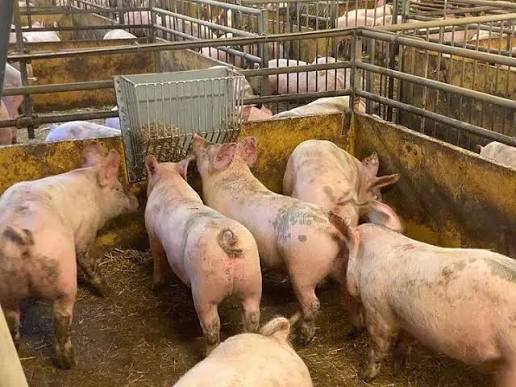
For hog operations, the problem concentrates in manure pits, lagoons, and slurry handling areas. For poultry farms, it concentrates in litter, ventilation exhaust, and composting areas. The gases are different in concentration and composition between species, but the mechanism driving both is the same biological process.
Understanding that mechanism is what separates a farm odor control program that works from one that requires constant reapplication and still draws complaints.
This article covers what generates odor on hog and poultry farms, why it carries operational and compliance consequences most operators underestimate, and what actually controls it at the source.
What Causes Odor in Hog and Poultry Farms?

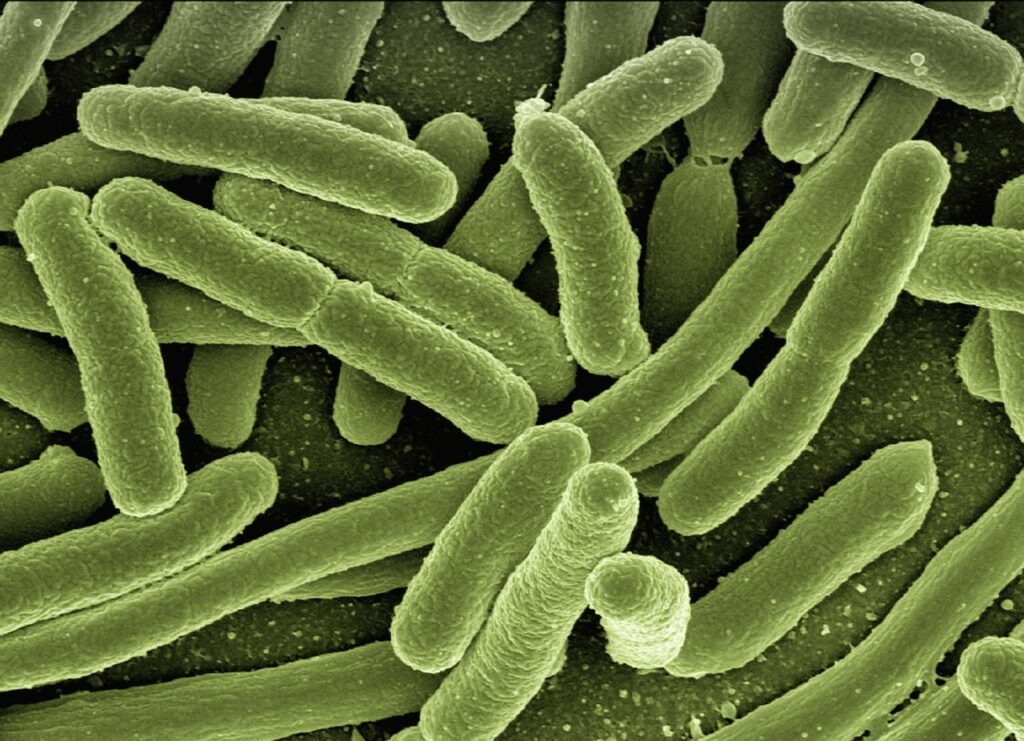
Farm odor in hog and poultry operations comes from anaerobic decomposition of organic waste; manure, spilled feed, urine, and carcasses all contribute. When organic matter breaks down without oxygen, specific compounds form and volatilize into the surrounding air.
There are mainly three categories that drive the overwhelming majority of agricultural odor complaints:
Hydrogen Sulfide in Hog Farm Operations
Hydrogen sulfide (H2S) is produced by sulfate-reducing bacteria breaking down sulfur-containing organic compounds in manure pits, lagoons, and slurry storage. At low concentrations, it produces a familiar rotten egg smell. At higher concentrations, hydrogen sulfide is directly toxic to animals and workers, while at elevated levels, it becomes lethal in confined spaces with poor ventilation.
Hog operations are particularly vulnerable because manure pits beneath slatted floors create ideal anaerobic conditions for sustained H2S generation.
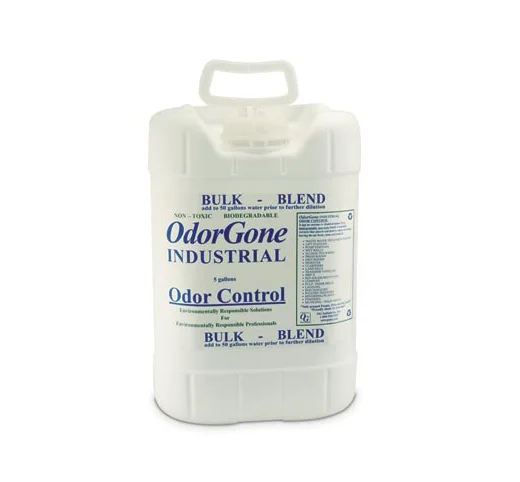
Chemtech International’s Odorgone Industrial sets the standards in reducing the source compounds of industrial and agricultural odors. It has been proven to neutralize 99.6% of hydrogen sulfide from various facilities, plants and farms.
Ammonia in Poultry and Chicken Farm Environments
Ammonia is the dominant odor-causing compound in poultry operations. It is lighter than air, disperses easily beyond the farm perimeter, and is a serious respiratory irritant for birds and workers.
Research consistently shows that ammonia exposure above 25 ppm reduces poultry weight gain and compromises respiratory tract immunity, making odor control in chicken farms a production performance issue, not just an air quality one. Litter management, ventilation rate, and moisture content all influence how quickly ammonia concentrations build.
Chemtech has a fully natural, bio-based product called Ammonia Reduction Blend, which is an amalgamation of multiple strains of bacteria (the best degraders of ammonia selected from among 300 strains) shown to reduce ammonia and related odors by a magnitude of 15 to 20.

Mercaptans and Volatile Sulfur Compounds
Mercaptans are produced during protein decomposition in manure and are responsible for the most persistent and penetrating odors from hog operations specifically. They are detectable by humans at concentrations as low as 1 part per billion, which is why hog farm odor can reach communities miles downwind when lagoon conditions allow mercaptan volatilization to accelerate.
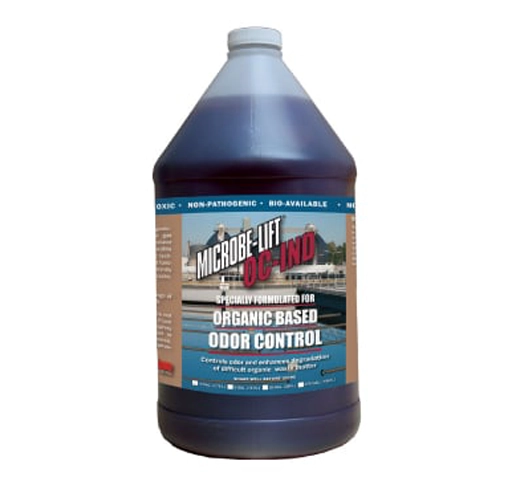
Chemtech International are exclusive distributors of Microbe-Lift OC-IND, a natural microbe-based product designed to break down mercaptans and other gases that generate odors in animal farms, wastewater systems, storage systems, lagoons, landfills. It is composed of reactive constituents that function as macromolecular sponges, permanently binding with the gases and stopping odor in its tracks.
Why Does Odor Control in Farms Matter Beyond Community Complaints?

Farm odor is a regulatory issue as much as an agricultural one, and operators who treat it purely as a public relations problem tend to underinvest in control until enforcement action forces the issue.
EPA and state environmental agencies respond to sustained odor complaints with facility inspections, permit reviews, and, in persistent cases, enforcement actions. Moreover, enforcement orders require operational changes that cost far more than a proactive odor control program would have.
Several states have enacted odor nuisance regulations with specific setback requirements and complaint threshold triggers, and those requirements are tightening as residential development moves closer to agricultural land.
Other than that, animal health consequences are also direct and measurable. Chronic ammonia exposure in poultry houses reduces weight gain rates, increases mortality, and suppresses the immune response, which are reflected in production records before they appear in any complaint log. H2S accumulation in hog confinement facilities creates acute toxicity risk during manure agitation events, when gas release from pits can reach lethal concentrations within minutes.
Worker health is a third consequence that often goes undiscussed. Chronic low-level exposure to H2S, ammonia, and mercaptans in agricultural environments causes respiratory irritation, neurological effects, and longer-term health risks for farm employees who spend eight or more hours per day in those environments.
Understanding the main sources of odor at your facility and how to control them covers the broader framework that applies across industrial and agricultural settings alike.
What are the Most Effective Odor Control Methods in Hog and Poultry Farms?
Effective farm odor control programs in hog and poultry farms combine management practices, physical controls, and chemical or botanical treatments. No single approach handles the full odor load from a commercial-scale operation.
Here’s a quick brief about each:
Management and Housing Practices
Regular manure removal from pits and litter houses reduces the organic substrate available for anaerobic bacterial activity which is less substrate so it also means less gas generation.
Ventilation management in poultry houses reduces ammonia concentration by increasing air exchange rate, though it moves the odor rather than eliminating it.
Lagoon management that maintains proper liquid levels and biological health prevents the stagnant anaerobic conditions where H2S generation peaks.
Dietary Modification
Reducing dietary crude protein lowers ammonia output in poultry manure by decreasing the undigested nitrogen that enters the waste stream. Probiotic feed supplements including lactic acid bacteria and yeast cultures have shown ammonia reduction of 5 to 40% in controlled studies.
Feed-level interventions reduce the problem at its point of origin, the animal, rather than treating the air after the compounds have already formed.
Chemical and Botanical Odor Control for Farm Environments
Chemical masking agents apply a competing fragrance over H2S, ammonia, and mercaptans. As the malodor compounds remain active in the air, the masking agent dissipates and the smell returns.
In high-volume organic waste environments like lagoons, manure pits, and litter composting areas, the organic load generating odor is too large and too continuous for fragrance masking to hold between applications.
Bio-based neutralizers work through a different mechanism, as they capture the malodor compounds molecularly rather than overriding them with a competing scent. The compound is eliminated rather than covered, and the effect does not depend on the masking agent remaining present in the air.
Our guide on bio-friendly odor control in commercial and agricultural facilities covers how botanical and biological approaches differ from chemical masking and where each delivers sustained results.
Why Do Most Odor Control Products Fail on Hog and Poultry Farms?
Most commercial farm odor products deposit a competing fragrance over the odor compounds already in the air. The malodor is not removed; it is temporarily outnumbered. When the fragrance dissipates, which happens faster in outdoor environments and high-airflow ventilated buildings, the underlying H2S, ammonia, and mercaptan concentrations are unchanged. The smell returns at the same intensity.
In a lagoon handling the waste output of a large hog operation, or in a poultry house with thousands of birds generating ammonia continuously, the organic load is simply too large and too persistent for a fragrance-based approach to maintain acceptable air quality. The product has to interact with the odor compounds themselves, not compete with them for the space in the air above them.
How Does OdorGone Industrial Work Differently for Farm Odor Control?
OdorGone Industrial is an eco-degradable botanical odor neutralizer composed of 37 natural essential oils, including peppermint, lemon, and eucalyptus. And it doesn’t have any hazardous chemicals, live bacteria, propellants, or enzymes. Plus, it is safe around animals, farm workers, vegetation, and all standard farm surfaces.
The mechanism that makes it different is physical: OdorGone uses a semi-rigid concave molecular structure that captures and holds amines, mercaptans, and sulfides – the specific compound classes driving hog and poultry farm odor – preventing them from remaining active in the surrounding atmosphere. The odor molecule is captured, not masked. OdorGone molecules then dissipate naturally after completing that capture without leaving any residue.
Moreover, application flexibility matters in farm environments because the odor generation points are distributed, variable in volume, and often difficult to reach with standard spray equipment.
OdorGone Industrial can be atomized or fogged across lagoon surfaces and manure storage areas, sprayed through poultry house ventilation systems, applied to litter composting areas and rendering waste handling points, and used in high-pressure systems, misters, turbo fans, and drum top foggers without clogging. Its industry-best dilution rates make it cost-effective at the volumes commercial farm operations require.
It is available as a bulk blend for ongoing farm odor control programs or ready-to-use for emergency odor neutralization when a complaint has already been filed and a fast response is needed.
Make Your Farm Odor-Free! (Well, Almost)
Odor in hog and poultry farms is a biological process combining H2S, ammonia, and mercaptans, generated continuously from anaerobic decomposition of organic waste. It does not pause between cleaning cycles, and it does not respond to fragrance masking at commercial farm scale.
Molecular neutralization that captures and eliminates the odor compounds at the point of generation produces a different outcome than masking, one that holds between applications and does not require constant reapplication to stay ahead of community and regulatory thresholds.
Get in touch with our team and we can help you identify and break down the odor-causing compounds, volumes, and application strategies specific to commercial hog and poultry operations.
About Author

Neel Daphtary
Neel Daphtary is the President of Chemtech International. He oversees sales, distribution and business development. He excels at helping pharmaceutical and manufacturing firms find the right processes and environmental solutions. Neel is an active member of Global Philadelphia, an organization committed to community development in PA.


Have Any Questions Or Comments?
Call Us For Help!
888-709-8070