
Walk into most commercial facilities with a persistent odor problem, and you will find the same thing: a chemical masking agent being applied on a schedule, a complaint log that never really empties, and a facilities team that has quietly accepted the smell as part of operations.
Facility managers at wastewater treatment plants, food processing operations, industrial manufacturing sites, and municipal lift station operators managing recurring community odor complaints are all running into the same wall. Most of the products most of them are using do not actually solve the problem. They delay it.
As regulatory pressure increases and sustainability standards tighten across industries, more facility operators are moving toward eco-friendly odor control that targets the organic compounds generating odor at their biological source. Bacterial and microbial odor control outperforms chemical masking on every metric that matters operationally: longevity of results, worker safety profile, environmental compliance, and community relations.
This guide covers how bio-friendly odor control works, where it applies across commercial facility types, and what separates a product that eliminates odor from one that merely postpones it.
What Is Bio-Friendly Odor Control and Why Does It Work Better Than Chemical Alternatives?
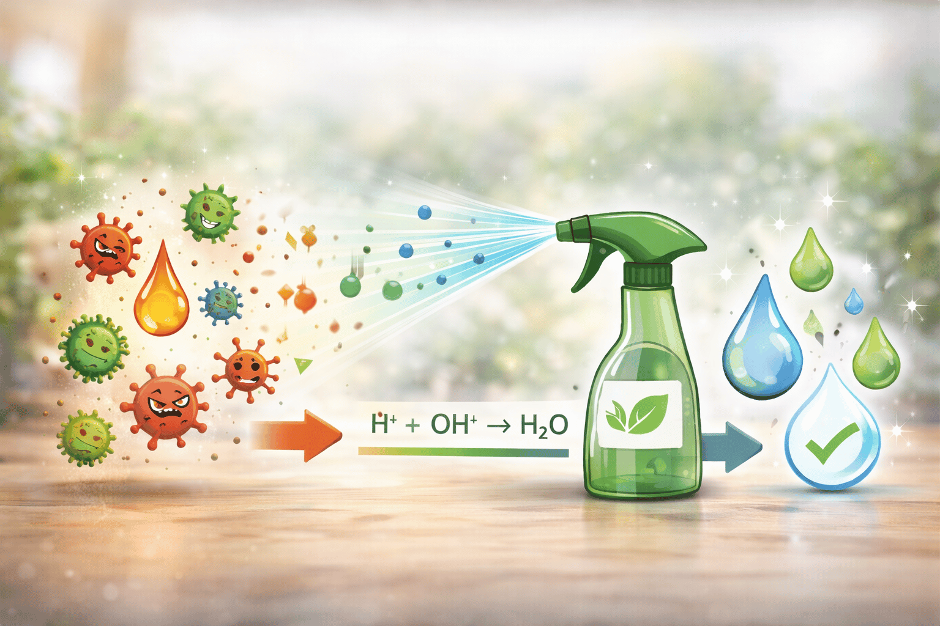
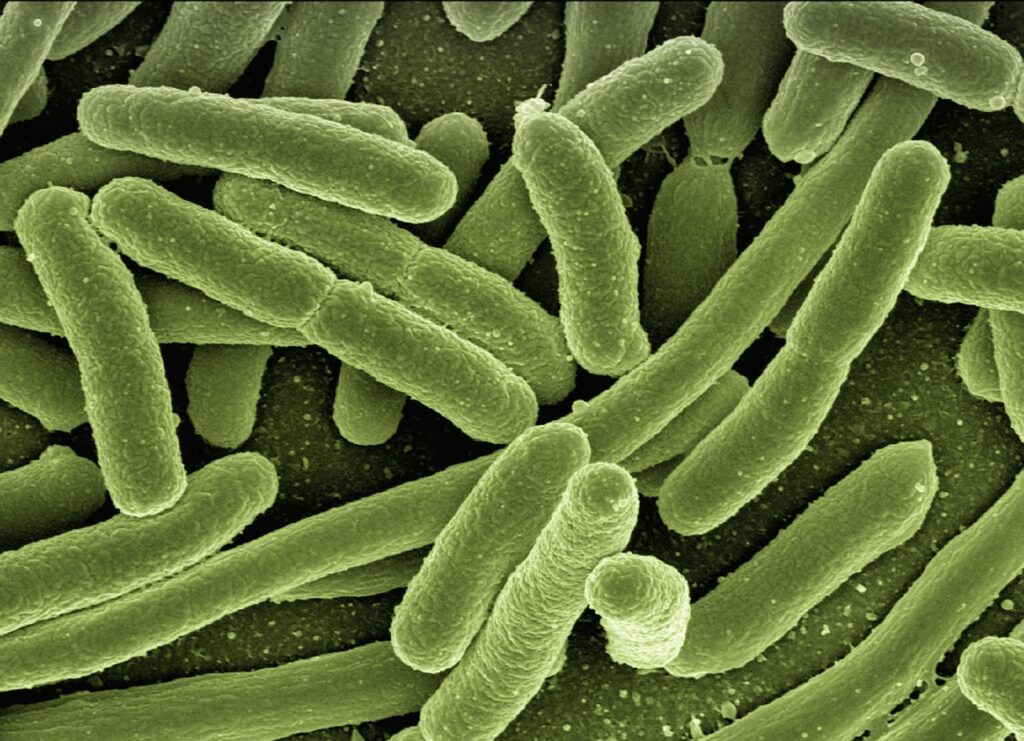
Natural odor control, sometimes called bacterial or microbial odor control, works by introducing beneficial microbial cultures that degrade the organic compounds producing the odor before they reach the air. The mechanism is biological: specific bacteria consume hydrogen sulfide, mercaptans, ammonia, and volatile organic compounds as part of their metabolic process, converting them to inert byproducts including water and carbon dioxide.
Three things separate this approach from what most facilities are currently running.
1. It Eliminates Rather Than Masks
Microbial odor control converts odor-generating compounds to inert byproducts. The odor does not return between application cycles because the source has been consumed, not covered.
Chemical masking agents deposit a competing scent that overrides malodor in human perception; the organic compound is still there, still breaking down, still producing gas. The smell returns the moment the masking agent dissipates.
2. It Keeps Working Between Applications
Active bacterial populations established in a waste stream or treatment system continue degrading organic waste between dosing events. The results are sustained rather than tied to application frequency.
This is the operational difference that matters most to facility managers who are currently dosing chemical agents multiple times per day just to hold odor at bay.
3. It Is Safe for People, Infrastructure, and the Environment
No VOCs, no hazardous chemicals, no corrosive compounds. Eco-friendly odor control formulations are compatible with biological treatment systems already in place, safe for workers in proximity, and do not create secondary compliance issues from chemical handling, storage, or discharge.
Where Does Odor in Commercial Facilities Actually Come From?
Before selecting a natural odor control approach, it helps to know exactly what the product is targeting. The main sources of odor at commercial and industrial facilities fall into three consistent categories.
Biological Decomposition of Organic Waste
Anaerobic breakdown of organic matter produces hydrogen sulfide (the rotten egg odor), mercaptans (sulfurous and pungent), and ammonia (sharp and acrid). This process happens wherever organic material sits in low-oxygen or oxygen-free conditions – wastewater treatment basins, food processing drains, organic waste storage, and sludge handling areas.
FOG Accumulation
Fats, oils, and grease collect in collection system pipes, grease traps, lift stations, and lagoons. As FOG decomposes anaerobically, it generates a sustained odor that intensifies with temperature and retention time.
Commercial kitchens, food processors, and municipal collection systems all deal with this consistently.
Stagnant or Low-Flow Waste Streams
Slow-moving or stagnant conditions deplete dissolved oxygen, creating anaerobic zones where sulfate-reducing bacteria thrive, and H2S generation accelerates. Flat gravity mains, retention lagoons, and holding tanks are the most common locations where this creates odor problems visible, or rather, detectable, far beyond the facility perimeter.
Masking vs. Eliminating: Why Most Odor Control Approaches Fail
Most commercial odor control products work by depositing a competing fragrance that overrides the malodor in human perception. The organic compound generating the smell is still present, still decomposing, still producing gas. The masking agent dissipates. The odor returns. The dosing cycle repeats.
This is not a product quality problem; it is a mechanism problem. Masking agents are designed to do exactly what they do: suppress sensory detection temporarily. But in commercial facilities with sustained organic loading, temporary suppression is an endless maintenance commitment with no endpoint.
Natural and non-toxic odor control that works at the biological level produces a fundamentally different outcome. Beneficial bacteria consume the organic compounds, driving odor generation. Those compounds are converted to water and inert gases. The source no longer exists at the same concentration, and the odor does not return at the same intensity between applications.
The distinction matters for the budget as much as for results. Facilities running biological odor control programs consistently reduce their dosing frequency and overall product spend compared to chemical masking programs addressing the same load.
Eco-Friendly Odor Control Across Commercial Facility Types
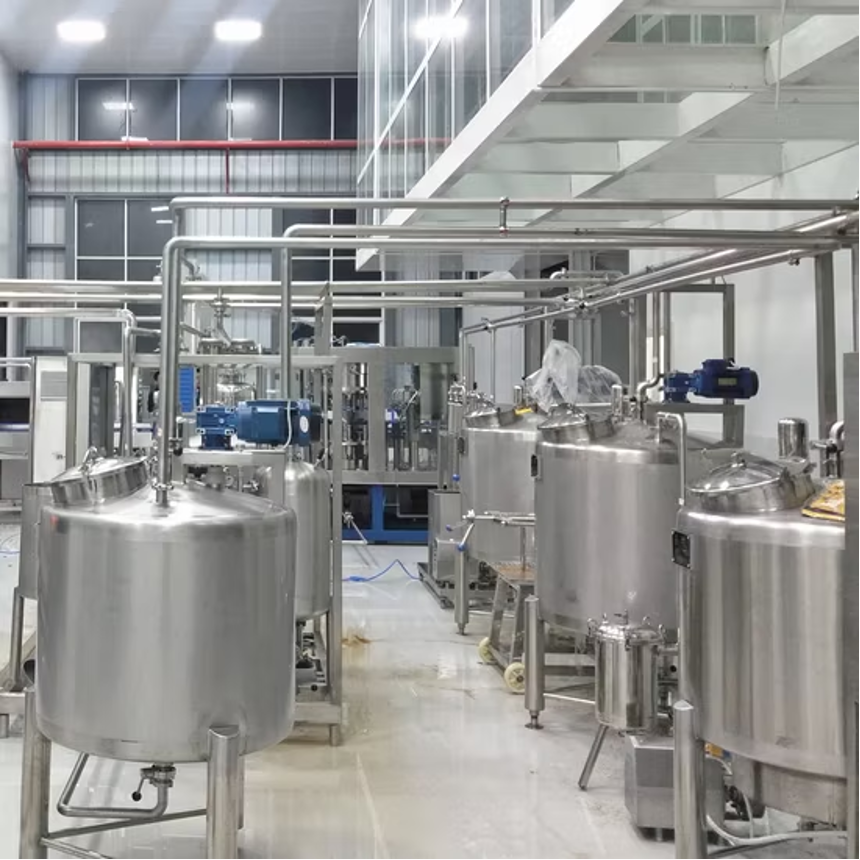
Let’s take a look at how odor control approaches differ or remain the same for various municipal and industrial facilities or plants.
Natural Odor Control in Wastewater Treatment Plants
Wastewater facilities generate hydrogen sulfide, ammonia, and mercaptans at multiple points in the treatment process, headworks, primary clarifiers, aeration basins, and solids handling areas.
Each point requires a different intervention strategy, but the underlying mechanism is the same: maintain aerobic conditions and active microbial populations that degrade odor-generating compounds before they volatilize.
Effective odor control in wastewater treatment requires continuous biological maintenance rather than reactive chemical dosing after complaints arrive.
A common misconception is that odor is an unavoidable byproduct of the treatment process itself. In reality, wastewater treatment plants do not have to smell; proactive microbial odor control changes the baseline for both workers on site and residents in surrounding areas.
Microbial Odor Control in Lift Stations and Pump Stations
Lift stations are among the highest H2S generation points in any municipal collection system. Sewage held in wet wells under low-oxygen conditions allows sulfate-reducing bacteria to produce H2S continuously.
When pumps discharge, turbulent flow releases dissolved gas directly into the surrounding air, generating the neighborhood-level odor complaints that municipal operators spend significant time managing.
Biological treatment in lift station wet wells suppresses sulfate-reducing bacteria between pump cycles, maintaining dissolved oxygen and reducing H2S concentration in the liquid before discharge.
A lift station and pump station odor control program built around microbial treatment requires formulations that maintain activity through variable flow conditions, temperature swings, and chemical shock events from upstream industrial discharge.
Eco-Friendly Odor Control in Food Processing Facilities
High-strength organic waste streams in meat, dairy, and food processing generate intense odor from fats, proteins, and fermentation byproducts. The compounds involved – fatty acids, sulfur-containing amino acid breakdown products, and volatile organic acids – are exactly what microbial odor control cultures are designed to degrade.
Bacterial odor control deployed in process drains, grease traps, collection systems, and lagoons at food processing facilities reduces the organic load before it reaches downstream treatment, cutting both odor output and BOD in facility effluent simultaneously. For facilities operating under discharge permit limits, that dual benefit changes the economics of the biological treatment program considerably.
Industrial and Manufacturing Facility Odor Control
Refineries, paper and pulp mills, chemical manufacturing operations, and agricultural processing facilities generate odor from sulfur compounds, hydrocarbons, phenols, and volatile organics specific to each process. Natural odor control formulations targeting these compound classes, rather than broad-spectrum fragrance masking, produce sustained results that hold under the variable loading conditions typical of industrial operations.
Eco-Fresh: Chemtech’s Biological Odor Control for Commercial Facilities
Eco-Fresh is Chemtech’s concentrated biological odor control formulation for commercial and industrial facility applications.
Active microbial cultures degrade hydrogen sulfide, mercaptans, ammonia, and other odor-generating organic compounds at the point of formation, not at a scrubber or a stack downstream.
Applications include most, if not all, facility types:
- Wastewater treatment plants and stabilization lagoons
- Lift stations and municipal pump stations
- Food and beverage processing facilities
- Industrial or chemical manufacturing and processing facilities
- Organic waste storage and handling areas
Eco-Fresh is safe for workers and surrounding communities alike. It contains no hazardous chemicals, no VOCs, or masking agents. Further, it is compatible with automated dosing systems for consistent, low-maintenance usage across large or distributed facilities.
Ready to Replace Chemical Masking with Eco-Friendly Odor Control That Lasts?
Odor in commercial facilities is a biological problem. Organic compounds breaking down anaerobically produce gases that reach workers, neighbors, regulators, and communities that did not sign up to smell the operation next door.
Chemical masking manages perception. Microbial odor control manages the source. The two approaches produce fundamentally different outcomes on the same timeline, and bio-friendly odor control does it without the chemical handling burden, the VOC load, or the endless reapplication cycle that masking programs require.
Chemtech’s range of odor control products deliver sustained elimination of foul odors, matched to the specific conditions of commercial or municipal operations.
About Author

Neel Daphtary
Neel Daphtary is the President of Chemtech International. He oversees sales, distribution and business development. He excels at helping pharmaceutical and manufacturing firms find the right processes and environmental solutions. Neel is an active member of Global Philadelphia, an organization committed to community development in PA.


Have Any Questions Or Comments?
Call Us For Help!
888-709-8070