
Odor control at wastewater pump stations presents one of the most challenging aspects of municipal infrastructure management. While these facilities are crucial for maintaining our sewage systems, they can become significant sources of community complaints if odors aren’t properly managed. Let’s explore the causes of pump station odors and effective solutions for controlling them.
But first, a bit of clarifying up… The terms “pump station” and “lift station” are often used interchangeably in normal vocabulary and dealings. Technically, a “pump station” refers to moving water from a lower to a higher elevation, often used in water supply systems. They serve to increase the pressure of water in a distribution system.
On the other hand, a typical “lift station” moves water from a lower to a higher elevation, primarily used in sewage and wastewater systems – a lift station is essentially a type of pump station specifically designed to overcome gravity in sewer lines and move sludge uphill.

That out of the way, let’s find out some of the root causes of odors in pump and lift stations, and see what can be done to prevent, treat or alleviate these odors.
Why Do Pump Stations Generate Odors?
One of the main culprits behind pump station odors is hydrogen sulfide (H2S), a gas produced when organic matter decomposes in anaerobic conditions. It gives out a highly unpleasant “rotten egg” smell. Further, it creates serious operational challenges – H2S is highly corrosive to plant infrastructure, potentially damaging plant equipment and compromising structural integrity. At high concentrations, it also poses significant health and safety risks to workers.
There are also various other volatile organic compounds that contribute to the overall odor profile at water supply and sewage systems, each presenting its own challenges for treatment and control. Some causes are:
- Wastewater becomes septic due to extended retention and detention times
- Low dissolved oxygen levels in the water
- Turbulence during pumping operations releases trapped gases
- High concentration of organic matter in the water
- Warm temperatures accelerate bacterial growth and activity
A permanently hanging odor in the air negatively impacts the quality of life communities around lift stations. Apart from the potential health concerns and regulatory violations, it can cause rift between the residents and the water treatment facility.
So, how can pump stations recognize, mitigate and control these odors?
Effective Odor Control Strategies
Modern pump stations employ multiple approaches to control odors. These include:
Chemical Treatment
Chemical treatment involves directly addressing odor formation within the wastewater stream. Iron salts are particularly effective, binding with sulfides to prevent H2S formation. Then there are pH adjusters, which create an environment where sulfide-producing bacteria struggle to thrive. Oxidizing agents serve as another powerful tool, converting sulfides into less odorous compounds. Finally, nitrate compounds help in preventing the creation of septic conditions.
Whatever your choice of compounds, they need to be as natural and non-toxic as possible. Remember, the key to successful chemical treatment lies in proper dosing and monitoring – overdosing can be costly while underdosing may prove ineffective.
Biological Treatment
Biological treatment systems harness naturally occurring micro-organisms and decomposition processes to combat odor issues. Bioscrubbers and biotrickling filters employ specialized bacteria that naturally break down odorous compounds. These systems excel in their environmental friendliness and often prove more cost-effective over time compared to chemical alternatives.
Bacteria and other microorganisms used in biological water treatment formulations continuously regenerate themselves, requiring minimal chemical inputs while providing consistent treatment. However, they need periodic monitoring and control of environmental conditions to maintain optimal activity levels.
Chemtech International offers two potent but eco-friendly and bio-based wastewater treatment products to address odor issues in lift and pump stations:
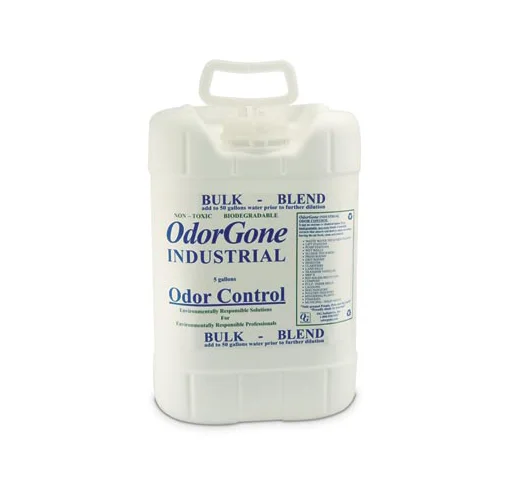
Odorgone Industrial:
This is a no-nonsense industrial odor neutralizer that works equally well for emergency odor neutralization as well as everyday odor control. It is totally bio-degradable and effective in neutralizing practically every variety of putrid smell found in pump stations.
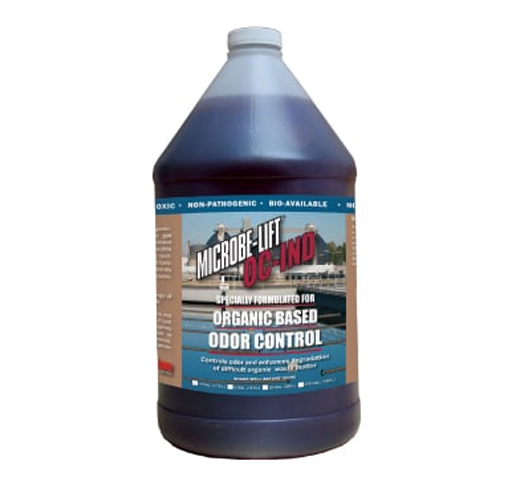
Microbe-Lift OC-IND:
OC-IND is an organic technology designed to control gas generating odor reactions in wastewater systems, lagoons, landfills and transfer stations. It contains reactive constituents that function as macromolecular sponges, permanently binding to odor-causing chemicals and neutralizing them.
Air Treatment and Physical Control Methods
Physical control methods focus on managing airflow and treating contaminated air. Carbon adsorption units capture and retain odorous compounds within their porous structure, while biological and chemical air scrubbers actively remove contaminants from the air stream.

The latest in air treatment are photoionization systems, which neutralize odor-causing particles by oxidizing them with UV rays.
Then, there are design considerations involving the structure of the pump station. Adequate ventilation plays a crucial role in directing air flow to treatment units. Sealed access points and covers prevent untreated odors from escaping into the surrounding area. Propert monitoring and minimizing of turbulence at discharge points helps reduce the possibility of odor leakage. These methods often work best in combination, creating multiple barriers against odor release.
Best Practices for Odor Management
Odor management is an ongoing and maintenance-intensive process. There are a lot of aspects that you need to be constantly aware of and optimize for.
Monitoring & Maintenance
A robust monitoring program forms the backbone of effective odor control at lift stations:
- Regular H2S monitoring gives you quantitative data about system performance.
- Routine equipment inspections and ventilation system checks help catch potential issues before they become problems.
- Documenting odor complaints allows for identification of patterns and assess treatment effectiveness.
- Regular machinery cleaning helps prevent buildup of odor-causing substances.
- The wet well serves as ground zero for odor formation. Key wet well management strategies include regular cleaning to remove accumulated solids, pump cycle optimization to minimize detention time, installing mixer systems to prevent stagnation and mist systems for odor masking.
- Addressing odors before they reach the atmosphere with strategic chemical feed points involves using pH adjustment systems and regular bioxide treatment programs.
The best way to nip odor issues in the bud is to ensure that the chemicals and gases that cause them aren’t produced in the first place. Chemtech International has just the right products to ensure lift stations and pump stations stay free of these odor-causing gases, bacteria and solid-waste:
Bio-Block: This is a unique bacteria-laden specially designed for lift stations and grease traps. Bio-Block slowly releases beneficial bacteria into effluent-handling facilities, degrading organic matter, reducing FOG build-up and alleviating odors in the process.

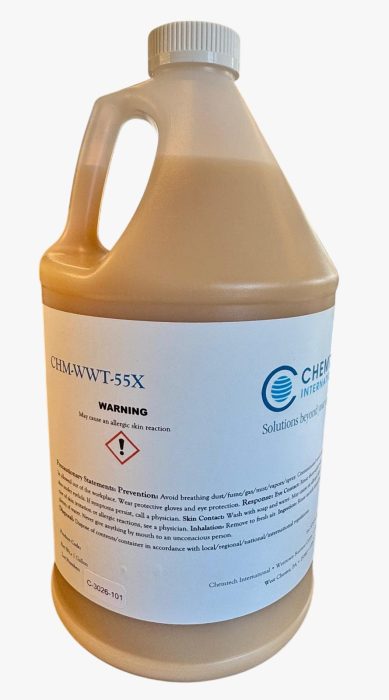
FOG Lift 55X: FOG Lift 55X is a concentrated liquid of stabilized bacterial spores formulated for use in municipal wastewater plants and lift stations, among other use cases. It uses naturally occurring, non-engineered microbes to degrade solid waste before it starts to smell.
Cost-Effective Implementation
Budget considerations play a crucial role in odor control and management at pump stations. Financial planning for odor control must account for multiple factors beyond initial equipment costs. Chemical treatments require ongoing purchase and storage of many materials. Energy consumption varies significantly between different treatment methods. Maintenance requirements affect both material and labor costs. Understanding these factors helps operators make informed decisions about system selection and operation.
A balanced approach might include:
- Account for all internal and external factors that influence running of the pump station beyond initial equipment costs. Phase in improvements in processes and technology.
- Prioritize critical control points.
- Combine passive and active systems.
- Focus on preventive maintenance to keep the station operating at maximum efficiency.
Community Impact Management
Successful odor control extends beyond technical solutions to include effective community engagement. Make sure you establish open lines of communication with nearby residents builds trust and understanding, along with clear protocols for addressing odor complaints. The quicker your response times, the more obvious your commitment to community welfare will be.
Proper documentation and proactive updates about maintenance activities and improvements will help you maintain positive relationships with all stakeholders.
Nothing Is In The Air
As technology advances, advanced biological and carbon based formulations continue to emerge. Smart monitoring systems now allow for real-time odor detection and automated response with automated dosing systems. Additionally, green technologies are becoming more prevalent, offering environmentally sustainable solutions for odor control.
Successful pump station odor control requires a comprehensive, multi-faceted approach that combines proper design, effective treatment systems, and diligent maintenance. By implementing these strategies, utilities can maintain good community relations while ensuring efficient wastewater management. While the initial investment in odor control may seem substantial, the long-term benefits of reduced complaints, improved public relations, and protected infrastructure make it worthwhile.
Remember, each pump station has unique characteristics and calles for customized odor control strategies. Regular evaluation and adjustment of control measures ensure success in reducing odors while maintaining everyday output efficiency.
Chemtech International’s range of microbial products offers economical wastewater treatment solutions to tackle odor issues and ensure compliance with environmental standards.
Case Study: Successful Odor Control Implementation
A township in Pennsylvania faced challenges with excessive grease, odors, and corrosion in their pump stations and water collection systems. Chemtech International proposed a solution involving biological liquids that accelerate degradation. Within 30 days, grease and oils were eliminated, and hydrogen sulfide and ammonia odors were reduced to negligible levels, significantly improving the system’s efficiency and the working environment.
About Author

Neel Daphtary
Neel Daphtary is the President of Chemtech International. He oversees sales, distribution and business development. He excels at helping pharmaceutical and manufacturing firms find the right processes and environmental solutions. Neel is an active member of Global Philadelphia, an organization committed to community development in PA.


Have Any Questions Or Comments?
Call Us For Help!
888-709-8070