
Talk to enough biogas operators and you start hearing the same story. There will be two farms with the same manure, the same digester size, and the same loading rate, and yet they will have different methane outputs – sometimes by 20% or more. And nobody can explain it.
Dairy farms running manure lagoons, hog operations managing high-nitrogen waste, food processing plants exploring co-digestion, municipal biogas production facilities, all report this gap of identical feedstock volumes and different methane yield.
Let me tell you this: The difference is not the waste. It is what happens to it inside the tank.
Biogas output rises or falls based on how completely anaerobic digestion runs through all four of its biological stages. And most operators generally ignore the fact that converting cattle manure to methane biogas instead of letting it decompose openly could reduce global warming gas emissions by 99 million metric tons.
Most facilities are leaving that potential untapped, not because of the waste they receive, but because of digestion efficiency.
This article covers exactly where digesters lose output and what actually moves methane yield.
What Produces Biogas Inside a Digester?
Biogas forms when organic material breaks down without oxygen through anaerobic digestion. The volume and concentration of methane produced depends entirely on how well the process completes each of its four stages.
Most people think of a digester as a container that converts waste into gas. That framing is part of the problem. A digester is a living biological reactor, and like any biological system, its output depends on the health of the organisms inside it.
The Four Stages That Determine Biogas Output

Anaerobic digestion happens in four distinct phases.
Stage 1 – Hydrolysis: This is where complex organics (fats, proteins, carbohydrates) are broken into simpler molecules like sugars, amino acids, and fatty acids.
Stage 2 – Acidogenesis: Those simpler molecules converted into volatile fatty acids and alcohols.
Stage 3 – Acetogenesis: In this stage, fatty acids are converted into acetic acid, hydrogen, and CO2.
Stage 4 – Methanogenesis: This is the final stage where methane (CH4) is actually generated.
Note that the methane only forms at stage four. If anything slows or disrupts stages one through three, a pH swing, an inhibitor spike, a crash in microbial populations, methane output drops even when feedstock loading stays constant.
In such situations, the waste goes in but the gas does not come out. And the operator assumes it is a feedstock problem.
Why Do Digesters Lose Methane Production Over Time?
Most digesters run at 60 to 75% of design capacity without any visible failure. The system looks operational and the readings seem normal. But output can be going downward for months or years.
Operators typically attribute the shortfall to feedstock variation. In most cases, the actual causes are internal, and they compound with each other over time.
Here are the actual factors that make digesters lose methane production over time:
C:N Ratio Imbalance: Excess nitrogen in the feedstock produces ammonia that directly suppresses the methanogenic bacteria responsible for stage four. Excess carbon slows digestion rates across all stages. Neither imbalance is obvious from the outside, but both reduce methane output.
Sludge and Foam Accumulation: Accumulated organic solids displace active digestion volume over time. The tank has not shrunk but the portion of it doing useful biological work has. Foam compounds the problem by trapping produced biogas before it reaches capture and metering systems. You lose output that was already being generated.
Microbial Population Decline: Methanogenic bacteria are slow-growing and environmentally sensitive. An overloading event, a temperature drop, a chemical shock, any of these can crash populations faster than they naturally recover. Without active intervention, a digester that was running at 80% capacity can stay suppressed for months.
H₂S and Ammonia Buildup: These are not just odor problems. Both gases are directly toxic to the methanogens in stage four. High hydrogen sulfide systems consistently produce lower methane concentrations regardless of how much or how consistent the feedstock is. Managing H₂S at the scrubber is a downstream fix for an upstream biological problem.
How to Increase Biogas Production: Best Practices
Every lever that actually moves methane yield operates at the biological level. Improving every facet of the digestion process is important. Here’s how to go about it:
Restore Microbial Activity First
Methanogenic bacteria drive stage four output. If that population is weak, sparse, or suppressed, nothing else compensates.
The fastest path to measurable gains is restoring and strengthening that microbial population, specifically through biological formulations tailored to the stage-by-stage requirements of anaerobic digestion.
Hold Digestion Conditions Stable
pH held between 6.5 and 7.5 supports consistent methanogenesis, as confirmed by research published in PMC. Temperature consistency matters as much as the target range and mesophilic systems need 35 to 37°C, thermophilic systems 55 to 60°C. Moreover, controlled mixing prevents dead zones without disrupting microbial communities that take weeks to re-establish or rejuvenate.
Add Co-Digestion to Raise Organic Yield
Combining manure with food processing waste or high-organic co-substrates improves the C:N ratio and increases volatile solids loading. Higher volatile solids produce more methane per cubic meter of digester volume without adding any tank capacity.
Clear Accumulated Sludge
Breaking down accumulated bottom solids restores digestion volume you have already paid for. Foam reduction has the same effect on the capture side of improving how much of your existing output you actually meter and use.
Reduce H₂S at the Digestion Stage
A 3 to 8% improvement in methane concentration changes the energy value of every cubic meter of gas you produce. That improvement requires addressing H₂S where it originates, in biology, not just where it ends up.
Why Does Biogas Optimization Matter Beyond Output?
There is a broader case here that goes past monthly production numbers.
Cattle manure left to decompose openly releases methane and nitrous oxide directly into the atmosphere. Capturing it through anaerobic digestion converts that same gas into usable energy.
Research indicates that converting cattle manure to biogas instead of open decomposition could reduce global warming gas emissions by almost 100 million metric tons globally.
Biogas is also a continuous resource, unlike solar or wind, output is consistent and tied to the operation itself. That makes it one of the more predictable renewable energy sources available to agricultural facilities.
Improving digestion efficiency raises revenue per facility. At scale, it changes the environmental math of livestock agriculture entirely. The two outcomes are not in tension, they are the same outcome measured differently.
How Chemtech Biological Additives Measurably Improving Digester Output
Biological formulations work differently from chemical treatments. A chemical scrubs a symptom. A biological formulation works at the process level, it supports and amplifies the microbial populations responsible for each digestion stage.
Chemtech bacterial formulations are engineered specifically for each stage: Hydrolysis, Acidogenesis, Acetogenesis, and Methanogenesis. That stage-level targeting is what produces results in systems where generic treatment has not.
The following results have been observed in optimized systems:
- Methane concentration improvements of 3 to 8%
- Methane capacity increases up to 20%
- Accumulated digester solids and foam reduced
- H₂S production decreased
- Input costs reduced by over 50%
- Annual facility savings of $5,000 to $100,000 depending on scale
A small note: These figures are drawn from Chemtech product performance data currently being validated through field trials at multiple US locations.
What are the specific products that drive these results?
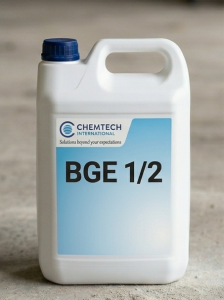
| BGE 1/2
High-performance microbial blend for effective decomposition of diverse organic compounds. Leverages aerobic, facultative anaerobic, anaerobic, photosynthetic, and chemosynthetic bacteria to optimize stage one digestion performance. |
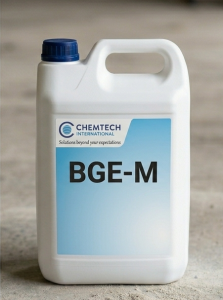
BGE-M
Features a blend of acetolactic methanogens and hydrogen-oxidizing methanogens, optimized for converting acetate and methyl groups into methane. Targets stage four directly. Significantly boosts methane concentration and biomethane output. |
|
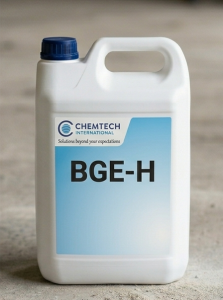
BGE-H
Advanced enzyme blend including cellulase, hemicellulase, and micronutrients designed to improve hydrolysis of lignocellulosic materials. Works at stage one to increase microbial enzymatic solubility, leading to higher methane and biogas yields downstream. |
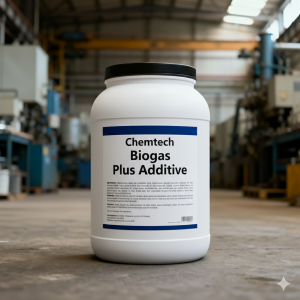
BIOGAS PLUS ADDITIVE
|
Ready to See What Your Digester Can Actually Produce with Chemtech?
Methane yield is a function of how well anaerobic digestion runs through all four stages.
Dairy farms, hog operations, poultry facilities, food processors, and municipal biogas plants all face the same underlying constraint, and the same biological levers to address it. The waste is not the variable here but the biology is.
Chemtech formulations are designed to improve digestion at the stage level so output follows. Our goal is biological improvement, matched to where the process is actually losing ground.
Explore Chemtech biogas solutions or request a customized quote from the experts on our team!
About Author

Neel Daphtary
Neel Daphtary is the President of Chemtech International. He oversees sales, distribution and business development. He excels at helping pharmaceutical and manufacturing firms find the right processes and environmental solutions. Neel is an active member of Global Philadelphia, an organization committed to community development in PA.
Have Any Questions Or Comments?
Call Us For Help!
888-709-8070