
Sludge removal is a key function of a wastewater treatment plant. Many different methods exist for sludge removal. Fortunately, once it leaves the plant, sludge can be used positively.
This article examines wastewater sludge, how it is removed, and what it is used for. Understanding sludge removal is essential to grasp the overall picture of wastewater management.
Quick Takeaways
- Sludge forms during wastewater treatment and must be removed.
- Physical, chemical, biological, and thermal methods remove sludge efficiently.
- Treated sludge can be reused in agricultural, construction, environmental, and sustainable practices.
What is Sludge in Wastewater Treatment?
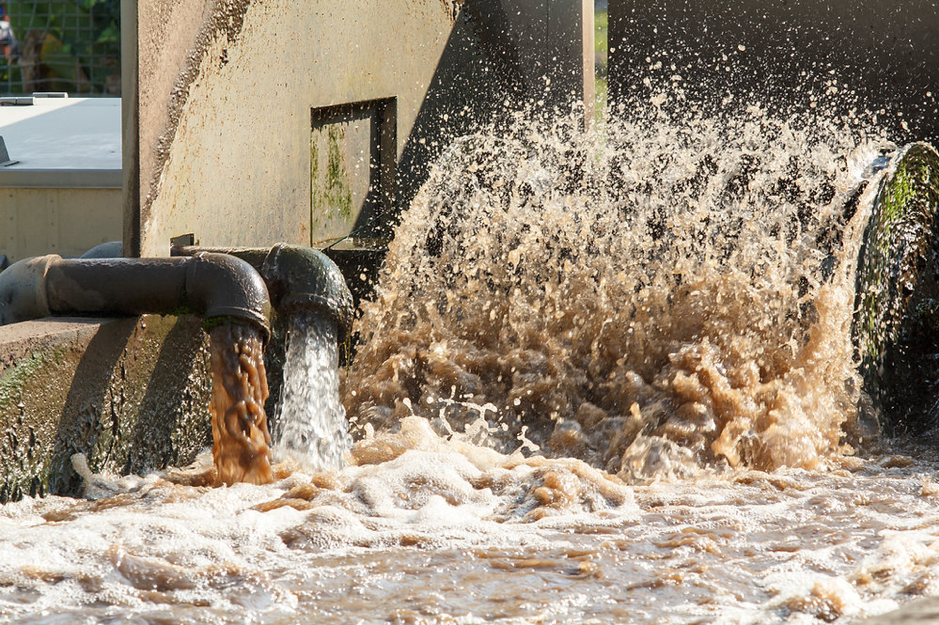
Sludge is a byproduct generated during the wastewater treatment process. It contains organic and inorganic materials, including solids and pollutants. Sludge is produced during the different stages of wastewater treatment. It is composed of various substances, such as:
- Organic Matter: Decomposed plant and animal material, food waste, and biodegradable substances.
- Microorganisms: Bacteria, fungi, and other microbes that play a role in breaking down organic matter.
- Pollutants: Chemicals and other toxic substances.
Sludge must be removed from the wastewater treatment facility. But how does it form in the first place?
How Sludge is Formed During the Treatment Process
Sludge forms during all three phases of the wastewater treatment process. First, solid particles settle during primary treatment, forming primary sludge. In secondary treatment, biological processes break down organic matter, resulting in secondary sludge. Tertiary treatment, which involves chemical treatment methods, produces tertiary sludge.
Sludge is a necessary component of wastewater treatment and one of many substances that can harm equipment.
Sludge Removal in Wastewater Treatment
All three types of sludge must be removed from the wastewater treatment facility. Removing sludge has several benefits.
Benefits of Effective Sludge Removal
- Public Health Protection: Proper treatment and disposal of sludge reduces the risk of exposure to harmful pollutants.
- Environmental Protection: Treated sludge can be safely reused or disposed of, preventing pollution.
- Efficiency of Wastewater Treatment Plants: Removing sludge efficiently ensures that treatment plants operate effectively.
Let’s explore how to remove sludge from treatment plants.
Methods of Sludge Removal in Wastewater Treatment
Various methods are used to remove sludge from wastewater. This process varies depending on the type of treatment plant. There are four distinct removal categories:
- Physical
- Chemical
- Biological
- Thermal
Physical Methods:
Physical removal methods involve machinery and are the safest form of removal. Sedimentation is the most common physical method, where sludge settles out of the wastewater by gravity. Filtration involves passing the wastewater through filters that trap solid particles, including sludge. Centrifugation occurs when a centrifuge spins the sludge at high speeds, separating the solid and liquid components.

Chemical Methods:
Chemical methods use solutions and compounds to alter sludge’s composition. It is important to use the proper products during chemical processes.
Chemical precipitation involves adding chemicals to wastewater to make contaminants clump together. They form larger particles that settle as sludge. Coagulation utilizes coagulants to neutralize particles, causing them to form sludge.
Biological Methods:
Biological methods augment or accelerate organic processes to break sludge down.
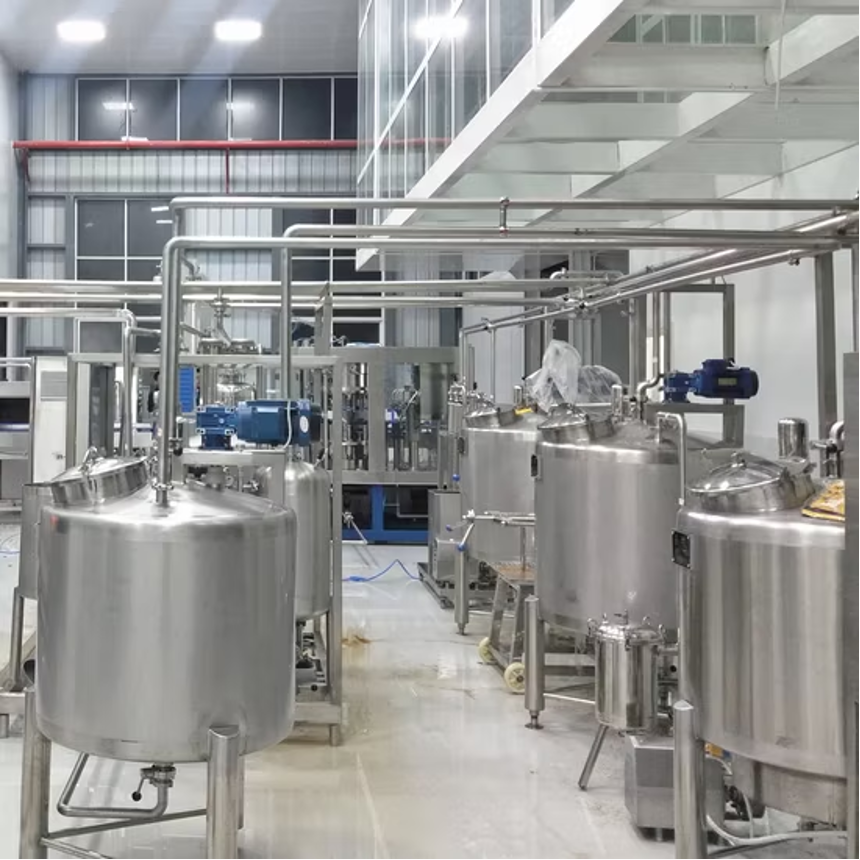
- Anaerobic Digestion: This process uses microorganisms to break down organic matter in the sludge without oxygen. It reduces sludge volume and produces biogas, which can be used as an energy source.
 Image Source
- Composting: Sludge is mixed with other organic materials and decomposed naturally. The resulting compost can be used as a soil conditioner.
- Bio-drying: This procedure reduces the moisture content of the sludge using biological processes, making it easier to handle and dispose of.
Thermal Methods:
Thermal methods involve high temperatures to alter the sludge.
- Incineration: Sludge is burned at high temperatures, reducing it to ash. This method reduces sludge volume but produces air pollution.
 Image Source
- Thermal Hydrolysis: This process uses high temperatures and pressures to break down sludge into simpler compounds, making it easier to treat and dispose of.
- Pyrolysis: Sludge is heated without oxygen, breaking it down into char, oil, and gas. These byproducts can be used as fuels or raw materials.
Fortunately, there are many methods of sludge removal, all of which have pros and cons. The type of wastewater treatment plant largely determines which processes are appropriate. In every case, the post-removal sludge can be put to good use.
Post-treatment Plant Uses for Sludge
Removed sludge has numerous applications that contribute to the environment. Farming, energy renewal, and construction are just some of the uses.
Agricultural Fertilizer
Biosolids application uses treated sludge as a fertilizer, enriching the soil with nitrogen, phosphorus, and organic matter. Additionally, sludge is a soil amendment that supports sustainability.
Composting
Sludge can be composted with other organic materials to create high-quality compost for landscaping and horticulture.
 Image Source
Construction Material
Dried sludge can produce bricks and cement, reducing the need for traditional raw materials and contributing to sustainable construction practices. Sludge ash, a byproduct of incinerated sludge, can be used in road construction and as a component in asphalt mixtures.
Forestry and Landscaping
Biosolids can fertilize forests and urban green spaces, promoting tree growth and enhancing landscape aesthetics. According to ScienceDirect, over 50% of treated sewage sludge is applied to agricultural lands in the U.S.
Make Chemtech Your Sludge Removal Partner
Sludge removal is a critical aspect of wastewater treatment. It ensures the protection of our environment and public health. Various methods are employed to manage sludge, each with advantages and challenges. Often, a combination of practices is used to achieve the best results. When appropriately collected, sludge has many beneficial uses.
For over 30 years, Chemtech has been at the forefront of wastewater treatment. Contact us to be your partner in sludge removal best practices. Together, we can positively impact wastewater management.
About Author

Neel Daphtary
Neel Daphtary is the President of Chemtech International. He oversees sales, distribution and business development. He excels at helping pharmaceutical and manufacturing firms find the right processes and environmental solutions. Neel is an active member of Global Philadelphia, an organization committed to community development in PA.

Have Any Questions Or Comments?
Call Us For Help!
888-709-8070