
Wastewater treatment is a necessary practice for keeping a community’s water supply safe to use and available at appropriate levels. Proper treatment at industrial facilities and municipal collection systems removes contaminants from wastewater produced during the course of operations, but certain upstream practices are also necessary for the benefit of sewage infrastructure itself.
There is a risk of fats, oils, and grease (FOG) building up in water pipes to the point of inhibiting operations and requiring costly maintenance. Preemptive grease control, therefore, is a must.
Key Takeaways:
- Fats, oils, and grease present a serious problem, particularly in food processing and related industries, necessitating proper maintenance for both practical and legal reasons.
- A complete wastewater management strategy should address potential problems posed by FOG contaminants and account for the possibility of harmful spills and overflows.
- Microbial products distributed by Chemtech make it safe and easy to break down fats, oils, and greases present in wastewater so businesses can produce more manageable effluent.
Acknowledging the Importance of Fats, Oils and Grease Control
Fats, oils, and grease control is a wastewater treatment process that typically involves the use of biological additives, such as specialized bacteria or enzymes, to break down grease buildup. Townships typically experience the most instances of FOG in their pump stations and sewer lines, making municipal collection systems the most important places to emphasize greater FOG control.
However, the practice of FOG control is necessary not only at dedicated water treatment plants but also on the premises of industrial processing facilities where grease buildup is likely to occur in wastewater systems.
The U.S. Environmental Protection Agency explains that the purpose of an effective FOG control strategy is to prevent commercial sewer system blockages, backups, and overflows. This is important for reducing sewer corrosion that can harm community infrastructure as well as eliminating the possibility of releasing foul odors or toxic emissions into nearby neighborhoods.
Proper FOG control is more than just a community service, though. It directly benefits businesses by proactively lowering sewer maintenance costs and other related operating expenses. Allowing fats, oils, and greases to build up to excessive levels can ultimately result in damage that is costly to repair or necessitate large-scale cleanup that outweighs the cost of practicing regular FOG control in the first place.
Grease control is particularly important in industries such as food processing or food service, where FOG are a particularly prevalent type of waste that accumulates in a property’s grease traps or septic and wastewater systems. Other businesses that require strong FOG control practices include those that provide degreasing or rust removal services.
In addition to the community and cost-related consequences of not implementing FOG control, there is also the possibility of legal repercussions.
Food service establishments, for example, may be subject to regular FOG compliance inspections that entail checking for buildup in the property’s grease interceptor, downstream manhole checks, and other evaluations of the business’s compliance. Poor performance in such an inspection can affect both the business’s reputation as well as its ability to retain legal permission to continue operations.
Building a Wastewater Management Strategy for FOG Control
Wastewater treatment refers to all processes that remove contaminants from wastewater, resulting in an effluent that can safely return to the water cycle. Fats, oils, and grease control are part of a comprehensive wastewater management strategy, especially important for facilities that generate large amounts of those contaminants.
A complete wastewater management strategy must account for problems caused by FOG contaminants throughout the entire wastewater process. Even for facilities and establishments that generate a relatively low amount of FOG waste, grease deposits can build up over time and cause blockages in the system.

Effective FOG control starts with preliminary care and pre-treatment of wastewater. Separating fats, greases, and oils from wastewater before it enters the septic or sewage system can save time and money while reducing the odds of complications later in the process.
Wastewater management strategies should also have accident prevention measures in place. One example of a costly accident is the possibility of wastewater spillage or overflow entering a storm drain, exposing the drain system to fats, oil, and grease that will be difficult to clean in the aftermath. Having spill containment and drain protection solutions at the ready is part of preparing adequately for grease control.
Complementing Wastewater Treatment With the Right FOG Control Supplies
Using the right tools and decontaminants for the job is of particular importance when building a wastewater treatment plan. However, the right supplies can vary by industry as FOG contaminants do not necessarily have universal properties.
Treating wastewater for grease buildup requires the use of specialized blends that promote the digestion and removal of hazardous oils and fats by microorganisms and micronutrient components. Wastewater treatment products distributed by Chemtech International include a varied lineup of powdered blends that are environmentally friendly and designed for FOG control in a number of industrial settings.
For example, the CHM-207 bacterial powder from Chemtech is a high-impact grease digester designed for use in wastewater treatment plants. It also functions effectively for food processing uses as well as in any establishment that practices grease control for septic tanks, grease traps, or drain lines.
Municipal collection systems that require an accelerated solution for FOG control might consider Microbe-Lift Sludge Away, an industrial-grade blend that breaks down slow-to-degrade organic matter like fats, oils, and grease. Sludge Away can reduce the needs for dredging and, like other products distributed by Chemtech, is safe for personnel to handle.
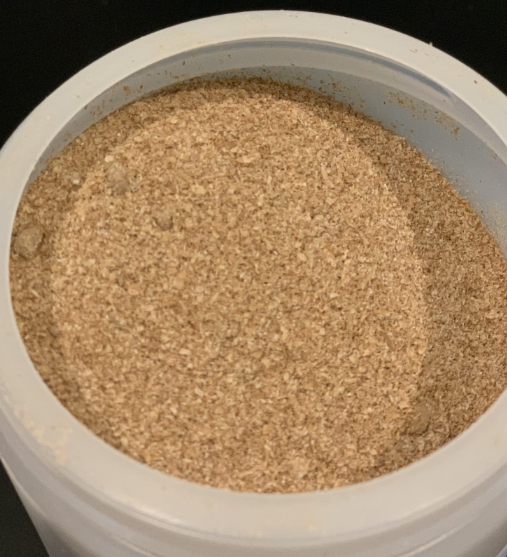
Specialized FOG control chemicals function as an efficient measure to pretreat industrial wastewater and reduce treatment surcharges in the long run. Using them in tandem with other Chemtech products as the circumstances demand makes for a comprehensive wastewater management strategy.
Improve Your Fats, Oils and Grease Control With Chemtech
Within the specialized field of wastewater treatment, FOG control calls for specific methods and supplies to prevent lasting problems with sewage, drainage, and municipal collection systems. Find what you need at Chemtech to boost the efficiency of both treatment and pretreatment, improving effluents and cutting operational costs along the way.
Chemtech Microbial products are great for fats, oils, and grease control in use cases such as grease traps and FOG spills. We also provide targeted solutions for lift stations, treatment plants, ponds, and more. Contact us for a free quote today.
About Author

Neel Daphtary
Neel Daphtary is the President of Chemtech International. He oversees sales, distribution and business development. He excels at helping pharmaceutical and manufacturing firms find the right processes and environmental solutions. Neel is an active member of Global Philadelphia, an organization committed to community development in PA.

Have Any Questions Or Comments?
Call Us For Help!
888-709-8070