
If you manage any kind of water system, a community reservoir, a farm pond, or a critical industrial holding tank, algae growth is simply a fact of life.
It’s the most stubborn, common problem in water management, and it happens when you get a perfect storm of sunlight, too many nutrients, and still water.
Give algae those three, and it will multiply aggressively. The consequences? They are far more serious than you might think.
In water storage tanks, it’s not just ugly green water but it also causes foul, earthy smells, it clogs up your filters, and worst of all, it creates a prime environment for harmful microbial contamination.
In large, open systems like ponds and reservoirs, dense algae blooms are an ecological disaster. They suck the dissolved oxygen out of the water, killing fish and throwing the entire aquatic ecosystem into a severe imbalance.
And to get rid of all of these, you need a solid strategy.
This guide is your complete game plan—we’re going to break down the root causes, give you a precise workflow for cleaning tanks, with a focus on high-stakes industrial systems, cover specialized treatment methods for open water, and lay out the long-term biological controls and prevention tactics you need to use.
So, before you pick up a pressure washer, you have to understand the ‘why’ to master how to clean algae from water tank systems effectively.
Why Does Algae Grow in Water Tanks, Reservoirs, and Ponds?

Algae blooms are never random. They are a totally predictable response to a favorable environment.
As a manager of a facility or plant with water bodies or waste production, you need to recognize the four environmental factors that make this problem happen:
- Sunlight Exposure: Algae needs light to photosynthesize. If your tank is translucent or if its lid lets in light, you are literally providing the power source. Block the light, or you’ll have algae.
- Nutrient Build-Up: This is the food of algae. Excess nitrogen and phosphorus, often sneaking in via organic debris, fertilizer runoff, or waste, act like a high-octane fuel, causing growth to explode.
- Stagnant Water: Water that sits still is an open invitation for algae! Poor circulation lets algae settle down, securely attach to walls and surfaces, and form the nasty, thick, resilient biofilms that are so hard to scrub off.
- Organic Sediment: The real secret behind recurring blooms is the sludge, that thick, black layer of decomposing matter on the bottom. It’s a continuous, underground factory, constantly releasing nutrients back into the water to feed the next bloom.
When these conditions are present, algae spreads rapidly, quickly escalating from a minor nuisance to a costly, critical problem.
That’s why a regular, non-negotiable cleaning and treatment schedule is essential.
Step-by-Step Process to Clean Algae from Water Tank
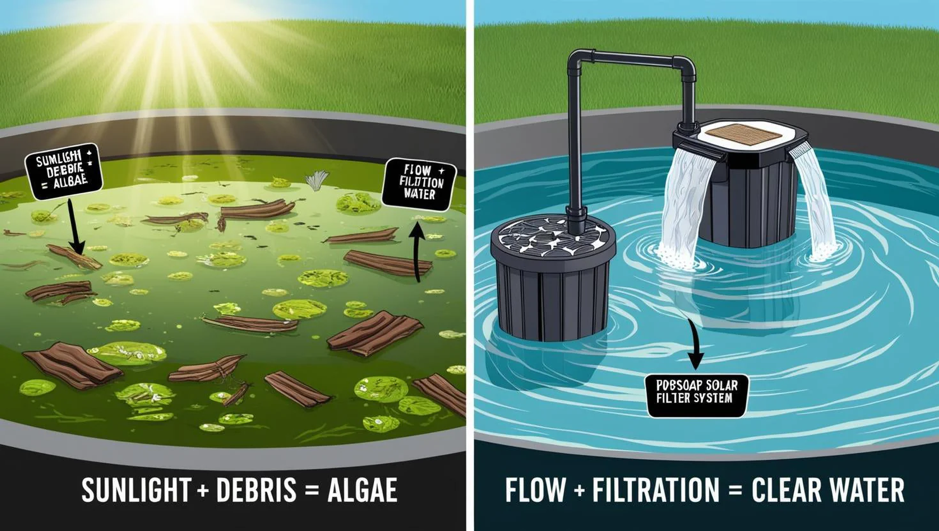
Tank cleaning is a precision job. It’s not just about getting rid of the green; it’s about eradicating the invisible microbial biofilm.
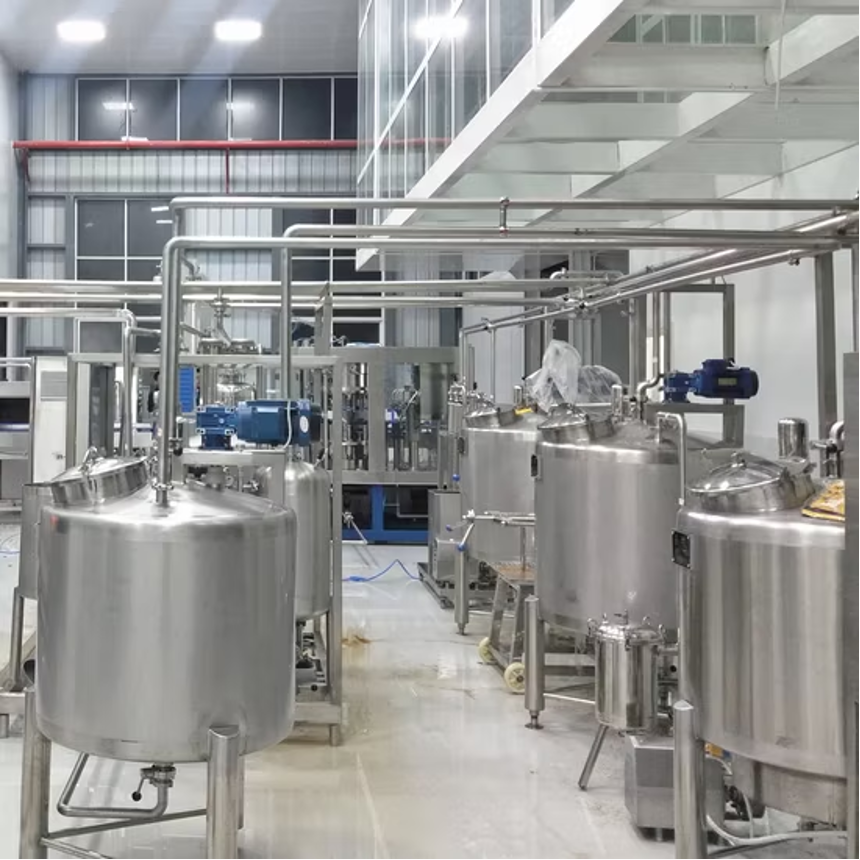
This process is absolutely vital for large-scale industrial water tank systems where water quality and regulatory compliance hang in the balance.
- Drain the tank
This must start with safety and control. Fully empty the tank and make sure all supply and discharge lines are disconnected. You can’t risk contaminating the rest of your system while you clean.
- Scrub the tank interior
Time for the heavy lifting. Use stiff brushes or industrial-grade pressure washing equipment to physically scour and break up the algae biofilm and any attached sediment from the tank’s walls and floor.
- Apply the treatment process
After the physical scrub, you need a follow-up, a chemical or biological treatment to sterilize surfaces and kill off any remaining microbial growth you can’t see.
For straightforward water tank sanitation, Chemtech’s Aqua Tablets would be the perfect solution. These are designed to control microbial growth and prevent quick re-growth.

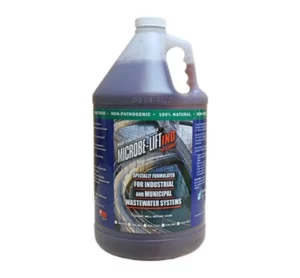
If you’re doing water management in a large, complicated industrial or municipal system, Microbe Lift IND is your go-to product. It’s a robust microbial treatment that drastically improves biological degradation and keeps complex wastewater systems stable.
- Rinse and refill
Once your treatment is done, you must flush the tank thoroughly. Run clean water through the system to remove all residues before you refill the tank and hook everything back up.
- Reduce sunlight entry
The final step is your long-term defense. Use opaque tank covers or proper lids. Eliminate the light source. It’s the single most effective way to prevent algae from coming back.
Now, while tanks can be cleaned manually, ponds and reservoirs require a different algae control strategy.
How to Remove Algae from Ponds and Reservoirs

You can’t exactly drain a pond or a reservoir, so the control strategy has to shift. Your focus must be on improving water quality and restoring the natural ecosystem balance.
1. Mechanical Removal
For a severe, acute bloom, manual removal is still the fastest fix:
- Skimming floating mats and algae from the water surface
- Using specialized rakes or tools to remove dense surface mats
- Keeping intake filters clean to ensure water circulation is maintained
2. Biological Clarification and Aquaculture Applications
Biological treatments are essential because they attack the root problem of too many nutrients and organic waste.
Pond Algae Control: For most natural and open water bodies, we recommend Pond Clear. This clarifier cuts turbidity, digests organic waste, and starves the algae by keeping nutrient levels low.
Aquaculture and Fish Farming: Fish and shrimp farms are sensitive environments; you need to be careful not to shock the fish. Our product of choice is Aquaculture 5B. It’s designed to safely maintain biological balance and control nutrients without ecosystem harm.
How to Control Sludge and Nutrients that Feed Algae
If your algae blooms keep coming back, the core problem is that you haven’t dealt with the organic sludge.
That stuff on the bottom of your tank or pond is a time bomb. It’s constantly decomposing, releasing a steady stream of nutrients/food back into the water, guaranteeing your next algae bloom.
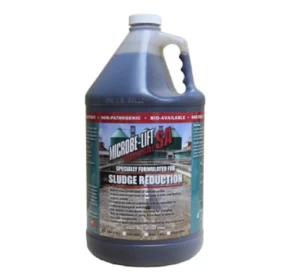
The only real way to stop the cycle is to break down the hidden sludge layer. For this, we recommend the Sludge Away sludge digestion treatment. This powerful, biological solution is formulated to:
- Break down organic sediment and the problematic sludge layer
- Reduce nutrient buildup at the source: the bottom-of-the-water body
- Prevent recurring algae blooms by taking away their nutrient supply
For bigger, industrial, or municipal wastewater challenges, Microbe Lift IND is the essential tool for better biological degradation and system stability.
In simple words, it’s all about controlling the sludge and the nutrients feeding it, and algae growth naturally starts to fade away.
Best Practices to Prevent Algae Growth in Water Tanks and Ponds

Why react when you can prevent algae? Preventive maintenance is easier, cheaper, and far more effective than trying to manage a full-blown algae crisis.
Lock these five best practices into your maintenance schedule:
- Block Sunlight: For tanks, make sure your lids are opaque and properly fitted. If the sun can’t get in, the algae can’t grow.
- Control Nutrient Runoff: Be incredibly strict about preventing external sources of nutrients (fertilizers, grass clippings, animal waste) from entering your water.
- Schedule Regular Cleaning: Inspect and clean your tanks on a fixed schedule, before you see a problem. This prevents the initial, hard-to-see biofilm from taking hold.
- Improve Water Circulation: Use aeration or circulation pumps. Getting rid of dead, stagnant zones removes the places where algae prefer to attach and thrive.
- Use Biological Treatments: A consistent program of microbial dosing helps you maintain a healthy, balanced ecosystem. This ensures the beneficial bacteria outcompete the nuisance algae for available nutrients.
Keep Your Water Systems Clean with Chemtech
Chemtech has a full line of specialized water treatment products to support this preventative process:
| Aqua Tablets
for routine tank sanitation
|
for safe, non-chemical pond algae control
|
|
for essential organic sludge reduction
|
for complex industrial water treatment
|

If you want to beat algae for good, you need a holistic, multi-step strategy. Success comes from combining a physical cleaning to remove what’s visible, proactive biological treatment to manage the ecosystem, constant nutrient management to starve the growth, and consistent prevention to stop the next infestation.
It’s time to stop fighting algae and start maintaining healthier water systems for the longer term—get in touch with our team to know more!
About Author

Neel Daphtary
Neel Daphtary is the President of Chemtech International. He oversees sales, distribution and business development. He excels at helping pharmaceutical and manufacturing firms find the right processes and environmental solutions. Neel is an active member of Global Philadelphia, an organization committed to community development in PA.

Have Any Questions Or Comments?
Call Us For Help!
888-709-8070