
Have you ever wondered why a pond that looks healthy today can suddenly go foul tomorrow? It is a nightmare scenario that many producers face when they realize that achieving high yields depends on mastering the invisible biological environment of your water.
Most farmers focus almost exclusively on feed quality and mechanical aeration. While those are important, they often neglect the massive microbial workforce beneath the surface that actually dictates the survival of the crop.
Managing bacteria in aquaculture is the foundational pillar of a stable environment.
In this guide, we will explore how to use bacteria to maintain water quality in shrimp and fish farming systems, stabilize your production, and ensure long-term profitability.
How Bacteria Functions as a Biological Engine in Aquaculture
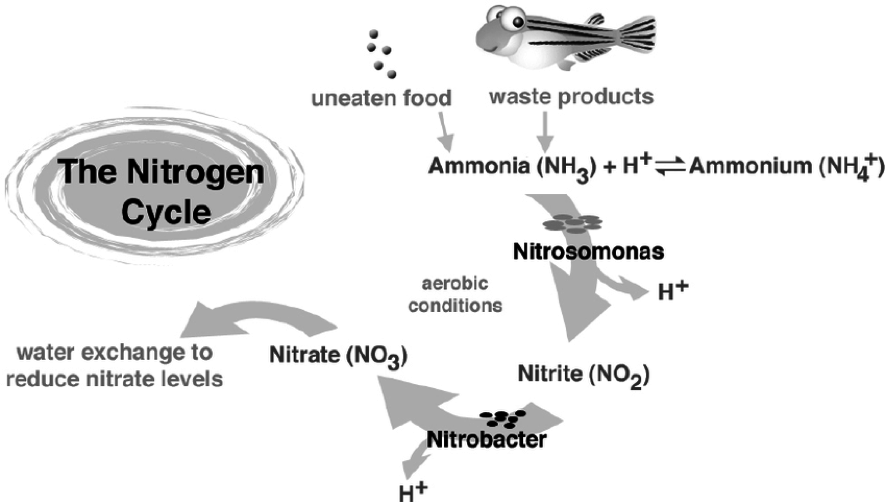
Think of your pond as a giant, liquid digestive system. The primary way bacteria in aquaculture keeps your stock alive is through the Nitrogen Cycle.
Have you considered how nitrifying microbes turn toxic ammonia into safer nitrates? Without these specific bacteria, the metabolic waste from your fish would quickly reach lethal levels.
They act as a chemical processor that purifies the water every second of the day. And beyond chemicals, we have to look at the physical waste.
Sludge reduction is another critical task. Why is breaking down organic matter essential for preventing “black soil” and those distinctive foul smells?
Because, when uneaten feed and feces settle, they create an anaerobic layer that produces toxins. Proper bacterial activity digests this muck before it can poison the pond floor.
👉 If you want a deeper look at these microscopic processes, check out our detailed guide on Wastewater Treatment Using Bacteria to understand the science of microbial biomes.
How Bacteria Maintains Water Quality in Fish Farming

In high-density tanks, you are essentially in a race against waste accumulation. How exactly does bacteria in fish farming act as a continuous, cost-effective purification system?
The fact of the matter is, these microbes serve as living filters. They consume the dissolved nutrients that would otherwise fuel toxic algae blooms or dangerous pathogen spikes.
Pathogen suppression is perhaps the most underrated benefit. So does that mean that a healthy bacterial population actually acts as a shield against disease-causing organisms?
Absolutely. Through a process called competitive exclusion, beneficial microbes outcompete harmful bacteria for food and space. This leads to a massive improvement in health and yields.
👉 When water chemistry is stable and fish aren’t stressed, it directly leads to improved feed conversion ratios. To learn more about the foundations of a healthy farm, see our article on The Importance of Water Quality in Fish & Shrimp Farming.
The Specific Benefits Of Bacteria In Shrimp Farming
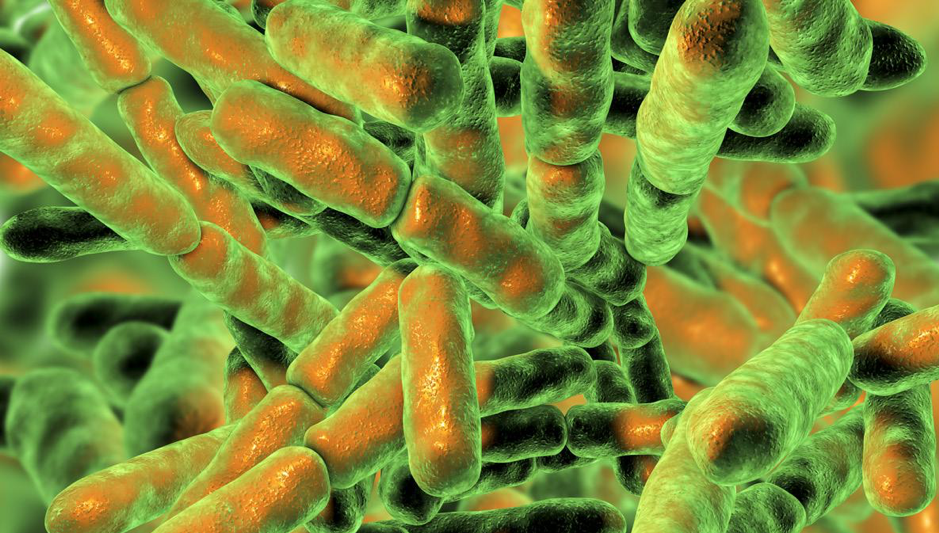
Shrimp farming presents a unique set of advantages because the animals live on the bottom.
Why are shrimp so much more vulnerable to soil chemistry than surface-swimming fish? They exist in the very place where waste settles. If the pond floor is toxic, the shrimp will be the first to die.
Using specialized bacteria in shrimp farming is the only way to maintain a clean benthic zone.
Specialized bacterial strains are a major tool for Vibrio prevention. How do these microbes block the environmental conditions that trigger Early Mortality Syndrome (EMS)? By altering the microbial balance so that Vibrio cannot reach the “critical mass” needed to infect the shrimp.
Further, these bacteria provide essential gas control. They prevent the buildup of toxic hydrogen sulfide in intensive shrimp ponds, which is a frequent cause of sudden, unexplained die-offs.
Are Natural Bacterial Populations Enough For High Density Farming?

A common mistake is assuming that nature will provide the necessary microbes. The reality is that the “density gap” is too wide.
So, why can’t “wild” bacteria keep up with the waste loads in modern intensive production systems? Because, natural populations grow too slowly to handle the concentrated waste produced by thousands of animals in a small space.
Remember, consistency and predictability are the hallmarks of a professional operation. Moreover, supplementing lab-grown strains removes the dangerous guesswork from pond management as it ensures that you have the right “workers” in the water from day one.
👉 For a broader view on managing farm waste, read Wastewater Treatment in Agriculture: The Definitive Guide.
How to Improve Water Clarity and Manage Sludge with Bacteria In Aquaculture
Visual indicators tell you a lot about your pond. What causes the thick, green, or cloudy water that often stresses your aquatic stock?
Usually, it is a surplus of suspended organic solids. This turbidity problem is more than just an aesthetic issue; it blocks light and messes with oxygen levels.
We recommend Pond Clear as a specialized solution for settling those suspended solids and clearing the water column quickly.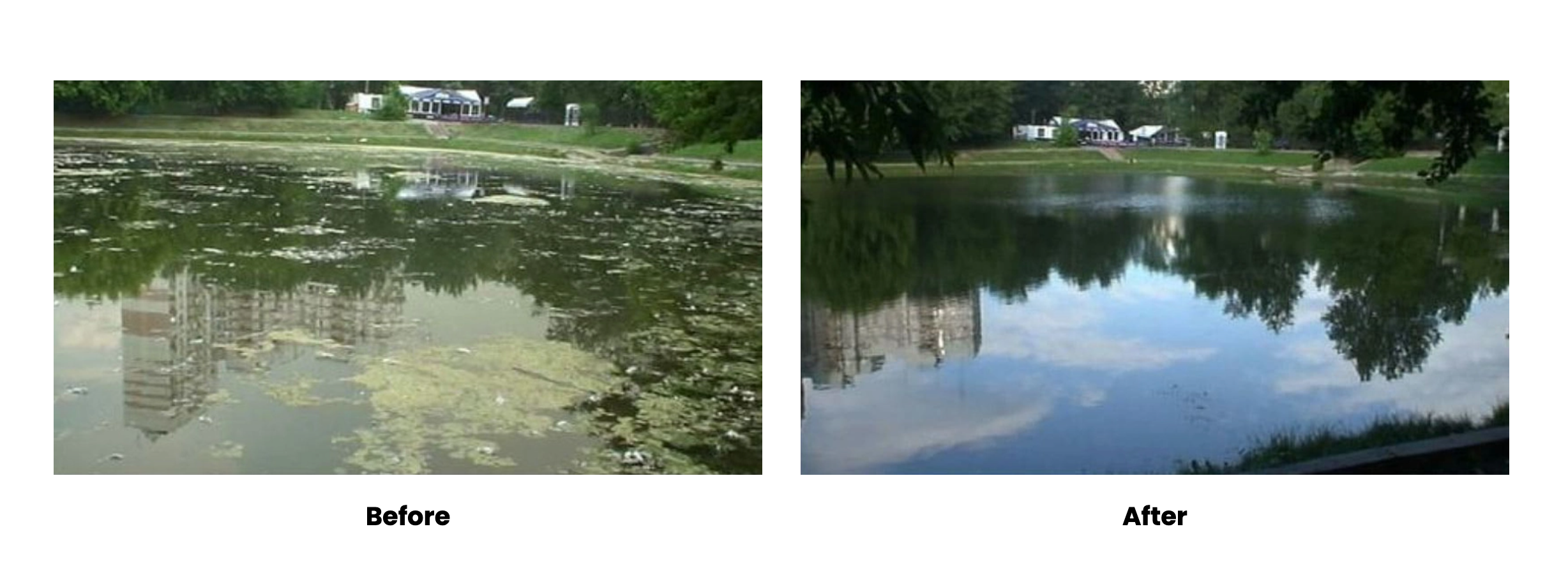 But what about the heavy muck at the bottom? Targeted dosing is required for deep-water issues.
Chemtech Aqua Tablets are the best choice for treating the heavy sludge at the bottom of deep ponds as they sink directly into the waste layer, releasing concentrated bacteria exactly where they are needed most.

👉 Learn more about managing open water bodies in our guide to Municipal Pond Maintenance.
How Advanced Probiotics Maximize Yields from Bacteria in Fish Farming
Sometimes, despite your best efforts, things go wrong. High-pressure situations require high-pressure solutions.
So how do you handle a sudden ammonia spike before it threatens your entire harvest? You need a rapid biological response.
Nitrogen management becomes much easier when using CHM-AQT-5B to rapidly reset the nitrogen cycle and stabilize your tanks. This type of bio-augmentation allows for a significant chemical reduction.
Additionally, a strong bacterial foundation helps you move away from expensive chemical disinfectants because a biologically balanced pond is naturally more resistant to disease.
👉 If you are comparing different setups, evaluate your options by reading about Activated Sludge Systems: Advantages and Disadvantages.
Optimize Your Harvest with Chemtech
The key to longevity in this industry is proactive protection. By having scheduled bacterial programs, you can have a safer harvest because by the time you see dead fish, the damage to your profit margin is already done. Remember, prevention is always better – and cheaper – than cure.
The Chemtech edge lies in our commitment to precision biology. Our specialized formulas support sustainable and highly profitable fish and shrimp production by working with nature, not against it.
Are you ready to let the right bacteria do the heavy lifting for your farm? Get in touch with our team to know more!
About Author

Neel Daphtary
Neel Daphtary is the President of Chemtech International. He oversees sales, distribution and business development. He excels at helping pharmaceutical and manufacturing firms find the right processes and environmental solutions. Neel is an active member of Global Philadelphia, an organization committed to community development in PA.

Have Any Questions Or Comments?
Call Us For Help!
888-709-8070