
Take a walk around any city park or residential development, and chances are you’ll come across a pond.
On the surface and over at first glance, these water bodies may seem like simple landscape features, but they’re doing a lot of heavy lifting. However, without consistent upkeep, these ponds can quickly turn from clean, scenic elements into smelly, algae-infested liabilities.
That’s where strategic pond maintenance comes in. It doesn’t just keep things looking good, but also maintains safe, healthy, and environmentally compliant systems.
In this guide, we will be diving deep into
- Why regular municipal pond management is important
- The top five problems that occur while managing municipal pond management
- Some best practices to maintain the aesthetics and quality of water
- Checklist for maintaining municipal ponds
- How to choose the right pond treatment solution
- Future trends to watch out for in municipal pond management

You will also explore actionable steps with Chemtech’s trusted solutions, like Pond Clear, Pond Odor Treatment, and how they solve common pond maintenance problems.
Why Regular Municipal Pond Maintenance Is Critical
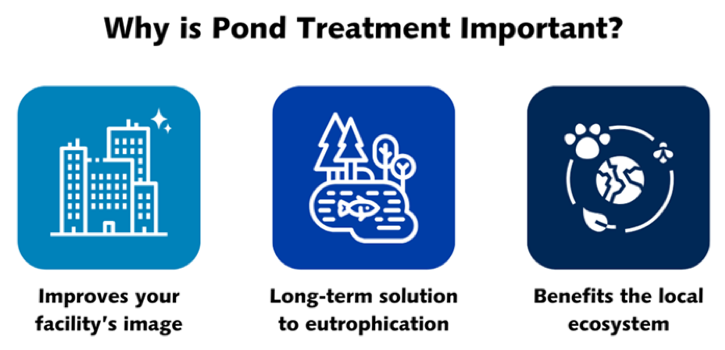
If you think about it for a second, ignoring a municipal pond is not just ugly and risky for people who pass by it, but it also poses a health threat, costly remediation, and serious environmental issues.
There are several aspects that make it very important to maintain municipal ponds, as mentioned below:
Water Quality & Safety: When a municipal pond is not managed well, it becomes a breeding ground for mosquitoes, bacteria, and invasive algae. As a result, nearby ecosystems can get compromised and even pose risks to public health, especially in areas where runoff includes fertilizers or oils.
Public Image & Satisfaction: There’s no doubt that murky water, floating debris, and bad smells all trigger public complaints. In a community-driven environment, that translates to political pressure and budget reallocations, too.
Cost Control & Compliance: What might look like a small problem, like sediment buildup or clogged inlets, can snowball into dredging expenses, fines, or reconstruction needs.
However, preliminary water treatment, sludge removal, and regular municipal pond management can keep things under control and aligned with EPA/state regulations.
Pro tip: Chemtech’s Pond Clear is a fast-acting clarifier that helps reduce turbidity and maintain water quality between larger cleanups.
Top 5 Problems in Municipal Pond Management

Now, let’s break down the five most common issues that you might face while upkeep-ing municipal pond management:
- Algae Overgrowth
One of the most common headaches in municipal pond maintenance is excessive algae. When nutrient-rich runoff, like fertilizers from nearby lawns or decomposing organic material, enters the pond, it acts like food for algae.
The result? Dense blooms that rob oxygen from the water, harm aquatic life, and turn your pond an unpleasant shade of green or brown.
- Unpleasant Odors
If your pond smells like rotten eggs or sewage, there’s a good chance it’s gone anaerobic due to the lack of enough oxygen in the water, which further encourages bacteria that produce foul sulfur-based gases.
The good part is, timely and proper pond odor treatment can help restore oxygen levels and keep things smelling fresh.
Read our in-depth guide to odor control in water bodies to know more about how to get rid of nasty smells from your pond or lake.
- Sediment Accumulation
Another significant issue in municipal pond management is that of sediment accumulation.
Over time, runoff carries in silt, sand, and organic debris that settle at the bottom of the pond, which makes the pond shallower, reduces water storage capacity, and encourages faster warming, ultimately leading to algae growth and oxygen depletion.
- Floating Debris
Leaves, plastic waste, and twigs—all of these release more nutrients into the water, fueling algae blooms and unpleasant smells.
Practicing regular skimming and buffer vegetation can help, but you need to make it a part of a consistent maintenance routine.
Bacterial water treatment is an effective solution for smells caused by bio-based waste in your water body.
- Invasive Plants or Wildlife
Lastly, species like cattails, duckweed, or even certain birds can take over a pond if left unchecked.
While some of these might look harmless at first, they often spread quickly, block scenic views, disrupt natural water flow, and crowd out native plants and animals.
Best Practices for Water Quality Maintenance & Aesthetics

To make sure that the municipal pond is maintained and managed well over a period of time, here are some truly effective strategies that work like magic:
Aeration and circulation systems:
The foundation of keeping any pond well-maintained and managed is to keep the water moving. It helps prevent stagnation, reduces algae risk, and improves oxygen levels.
Lately, solar fountains or sub-surface bubblers are becoming quite popular for low-maintenance circulation.
Clarifiers and eco-safe treatments:
Other than aeration and circulation, it’s also important to use clarification products such as Pond Clear that bind suspended particles, allowing them to settle out of view while improving water clarity.
Scheduled inspections and dredging:
Having annual or biannual pond assessments can help you catch early signs of sediment buildup, and you can dredge shallow areas before they affect pond function.
Floating wetlands and plant buffers:
Integrating and strategically placing natural systems that filter runoff before it enters the pond helps improve aesthetics and create a wildlife habitat. This in turn plays a huge role in maintaining the pond in a natural way.
Routine debris skimming:
One of the most obvious but highly ignored aspects of maintaining a pond is that skimming surface debris weekly (or even daily in autumn) can drastically reduce organic decay in the pond.
Based on our experience working with municipalities and corporations, we can say that you will see a drastic change in the aesthetic of your pond and water quality when you follow these strategies!
How to Choose the Right Pond Treatment Solution?
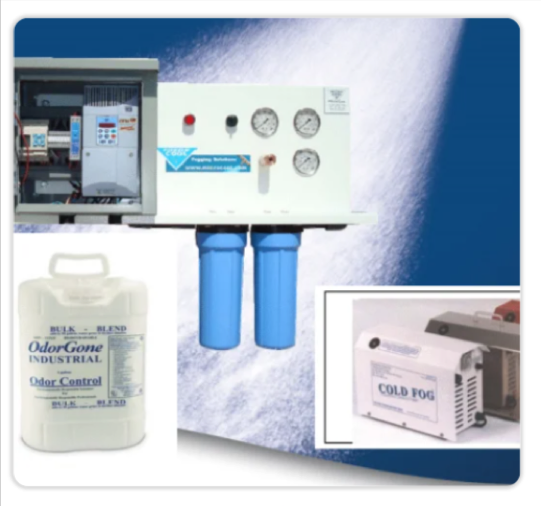
If you are looking for the right pond treatment solution, let us tell you that selecting the ideal treatment for your municipal pond isn’t a one-size-fits-all decision.
To choose the right product, you need to first understand the unique dynamics of your pond, like its size, depth, volume of runoff, and the severity of existing issues like murkiness or odor.
Next, consider how the pond is used and viewed. Is it a centerpiece in a public park with daily foot traffic? Or is it tucked behind an industrial facility with minimal visibility?
The more public exposure it gets, the more important it is to have quick, visible results!
Moreover, you’ll also want to look at compliance and compatibility. Opt for solutions that are eco-safe, easy to apply, and designed to work within your existing pond layout and management schedule.
Future Trends in Municipal Pond Management
The future of pond management won’t be just about clean looks, but it will also be about being smart, sustainable, and cost-efficient. Here’s what I see coming as the future of municipal pond management:
- Sensor-based monitoring is on the rise. Real-time pH, turbidity, and nutrient tracking can help automate treatments before issues escalate.
- Biological treatments like biofilters and bacteria blends are replacing harsh chemicals.
- Smart asset management platforms are helping cities log, track, and automate pond inspections.
- Community-first design is gaining momentum. Clean ponds improve real estate value and build local pride.
Partner with Chemtech to Keep Your Municipal Ponds Cleaner, Safer, Compliant
Your city or township need not tackle municipal pond maintenance alone. We at Chemtech offer proven products and support systems that make managing aesthetics and water quality simpler, smarter, and more sustainable.
From simple, eco-friendly water treatment products to educational resources on industrial and municipal wastewater treatment, we help you prevent issues before they start.
Please get in touch to discuss any specific requirements, and our team will respond to you soon!
About Author

Neel Daphtary
Neel Daphtary is the President of Chemtech International. He oversees sales, distribution and business development. He excels at helping pharmaceutical and manufacturing firms find the right processes and environmental solutions. Neel is an active member of Global Philadelphia, an organization committed to community development in PA.

Have Any Questions Or Comments?
Call Us For Help!
888-709-8070