
Agriculture handles an enormous volume of water every single day, whether it’s cleaning barns, flushing manure systems, washing raw produce, cooling equipment, or managing runoff – everything needs a good amount of water.
However, quite a lot of this water comes with a complex mix of pollutants like manure solids, FOG (fats, oils, grease), nitrogen, phosphorus, pathogens, and traces of agrochemicals.
And this combination makes agricultural wastewater some of the highest-strength wastewater in any industry.
For farms of all sizes, the stakes are high because untreated or poorly treated water can contaminate soil, harm livestock, trigger odor complaints, and put the farm at risk of violating state and federal regulations. All of these directly impact farm productivity, community trust, groundwater safety, and long-term sustainability.
In this guide, we’ll break down the biggest challenges farms face, the treatment steps that matter most, how to improve lagoon performance, and how solutions like Chemtech’s Biogas Plus Additive help farms reclaim biological efficiency and reduce long-term sludge buildup.
Why Wastewater Treatment in Agriculture Matters
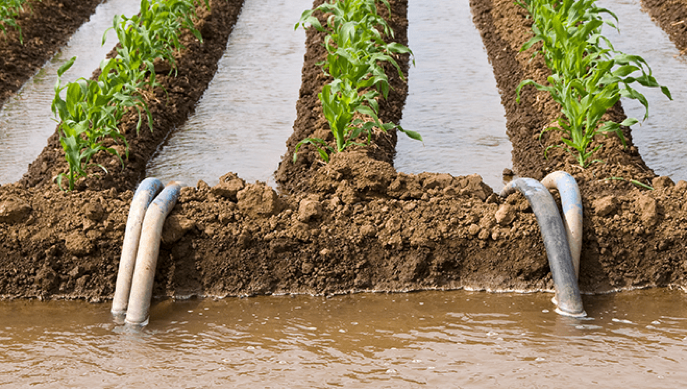
When it comes to agricultural wastewater, it’s important to remember that it is fundamentally different from municipal or typical industrial wastewater. Agriculture wastewater fluctuates daily based on animal behavior, weather patterns, feed changes, and cleaning cycles.
For example, a barn washdown during winter can overload a lagoon. A shift to higher-protein feed can spike ammonia. And a summer heatwave can accelerate pathogen growth.
Here are some scenarios in agriculture where wastewater treatment becomes essential:
Extremely High Organic Load: Livestock operations produce wastewater packed with manure fines, undigested feed, straw or bedding particles, and blood waste (in meat operations). These materials rapidly increase BOD and COD levels. If not treated properly, they overwhelm lagoons and slow biological digestion.
High Levels of Nutrients (N&P): Agricultural wastewater typically contains nitrogen and phosphorus in amounts far higher than domestic sewage. Without proper treatment, these nutrients can wash into waterways and trigger algal blooms or dead zones.
Significant FOG Presence: Dairy barns and meat-processing units have heavy fats, oils, and grease (FOG). These form crusts on lagoons, block aeration, and slow digestion. It’s very important to keep FOG out of the water system to avoid loss and crop damage.
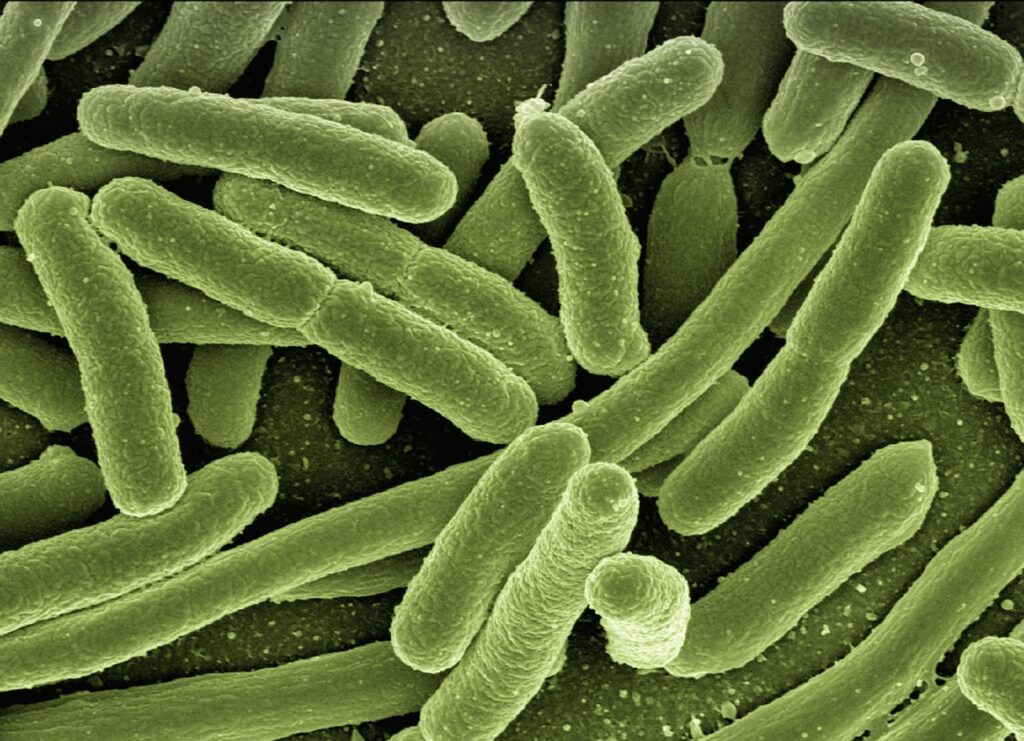
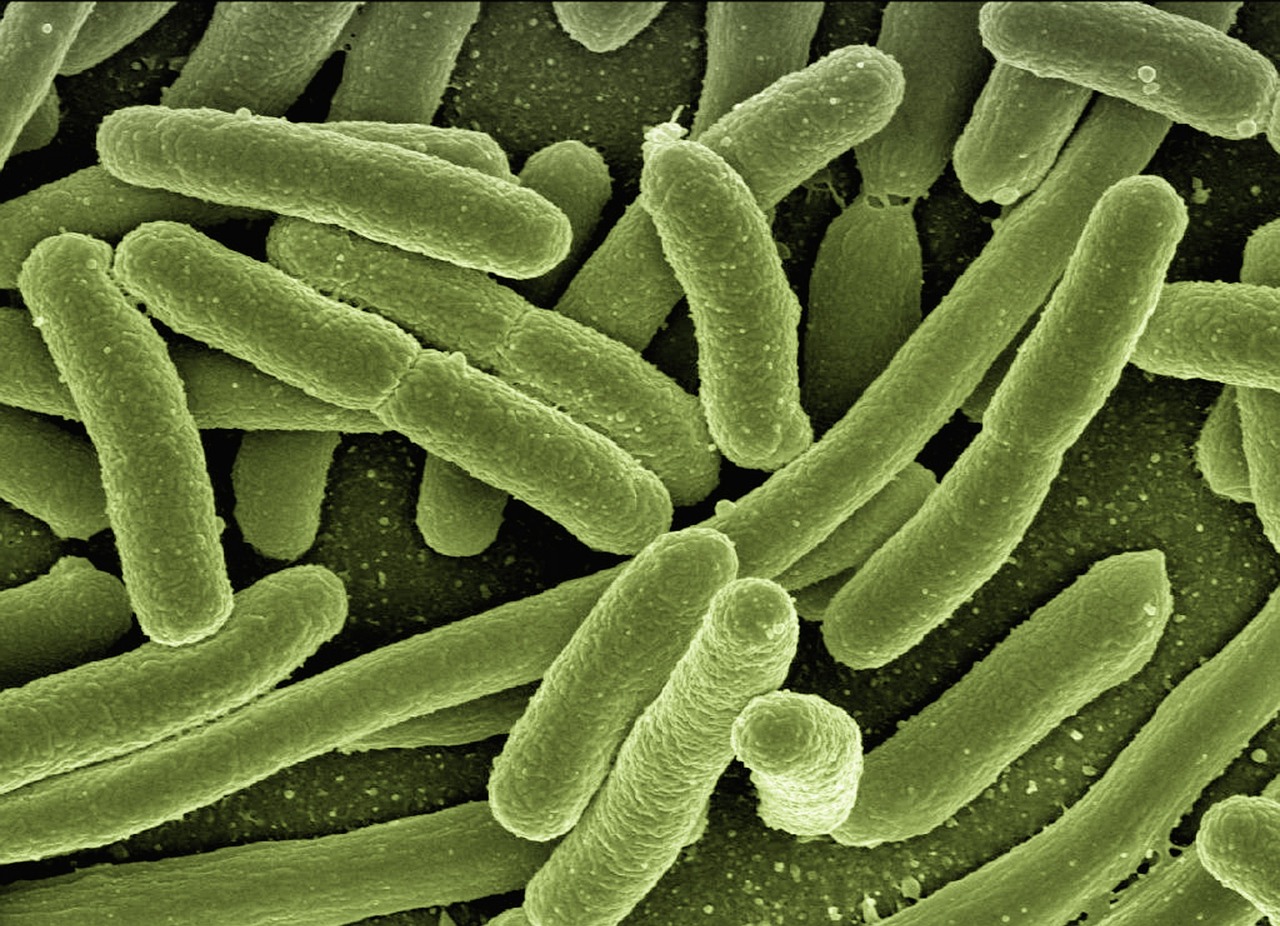
Pathogen Loads: Agriculture wastewater often contains E. coli, Salmonella, Campylobacter, and other pathogens. If wastewater is reused for irrigation or land application, it’s important to make sure that pathogens are controlled to protect both crops and farm workers.
Seasonal and Operational Variability: Rainfall events, barn scraping routines, feed changes, herd expansions, and harvest cycles – all of these influence wastewater strength, so it’s important to make sure they are treated well on a timely basis.
Now these wastewater treatments are not as smooth as we think. When implementing, there are some common challenges that will come up.
Core Challenges Faced in Wastewater Treatment in Agriculture
No two farms are identical, but the underlying wastewater challenges tend to repeat themselves! Here are some of the common hurdles that come up while executing wastewater treatment in agriculture.
- Sludge Buildup in Lagoons
Over time, solids settle at the bottom and create a thick sludge layer. This reduces lagoon capacity and limits retention time. And many farms don’t realize how serious the buildup is until odor complaints start or pumps get clogged.
- Odor Problems from Anaerobic Zones
When lagoons stratify, warm water at the top and cold sludge below, combined with anaerobic pockets, form and release strong hydrogen sulfide odors. These odors can migrate far beyond farm boundaries, creating problems for people living around the farms.
- High Ammonia and Volatile Fatty Acids (VFAs)
With agricultural wastewater, biological imbalance is quite common. It’s very usual for ammonia to rise when bacteria can’t convert nitrogen efficiently. Moreover, VFAs spike when manure degrades faster than microbes can process it.
- Solid Accumulation in Barns and Processing Areas
If barns lack proper scraping systems or if drains clog with straw or feed, solids enter lagoons and rapidly increase sludge loading.
- Rising Maintenance Costs
Frequent dredging, pump repairs, odor control chemicals, and over-aeration can become expensive if biological health isn’t maintained.
For a deeper understanding of how biological balance impacts treatment efficiency, refer to Chemtech’s SVI Guide: How to calculate and control Sludge Volume Index (SVI).
Essential Steps for Wastewater Treatment in Agriculture
Agricultural wastewater systems follow a familiar pattern, but each step must be adapted to farm conditions.
1. Pretreatment: Controlling Solids Before They Hit the Lagoon
Pretreatment is often the most ignored step on farms, but skipping it causes most downstream headaches. Proper pretreatment of wastewater prevents pumps from clogging, reduces sludge buildup, and helps lagoons last longer between dredging cycles.
Key pretreatment tools include:
- Coarse Screens: Remove straw, feathers, bedding, corn husk, and plant debris
- Grit Chambers: Capture sand, soil, and heavy solids that enter during barn washing
- FOG Traps: Prevent thick floating layers in dairies and meat operations
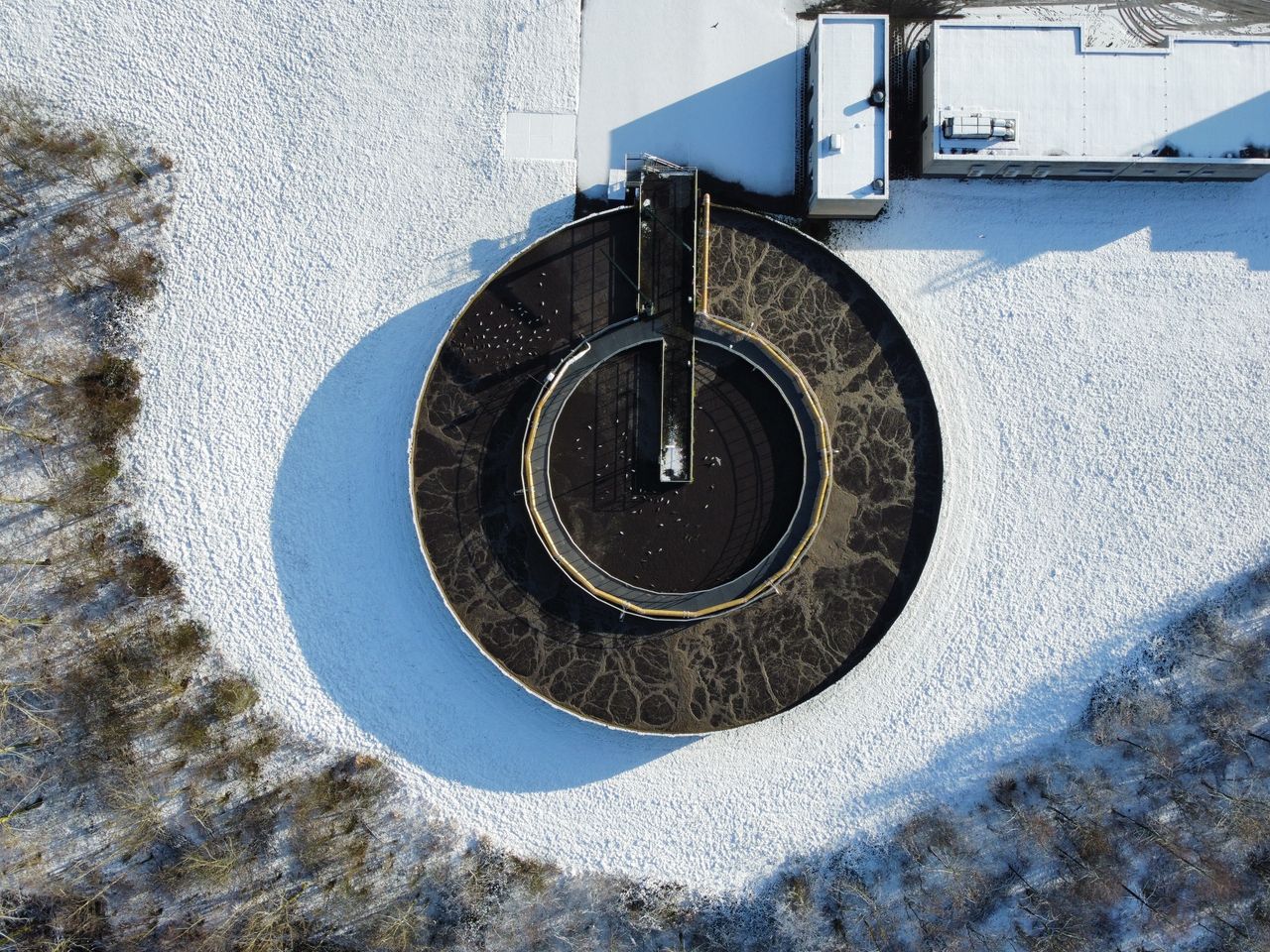
2. Lagoons: The Heart of Agricultural Wastewater Treatment
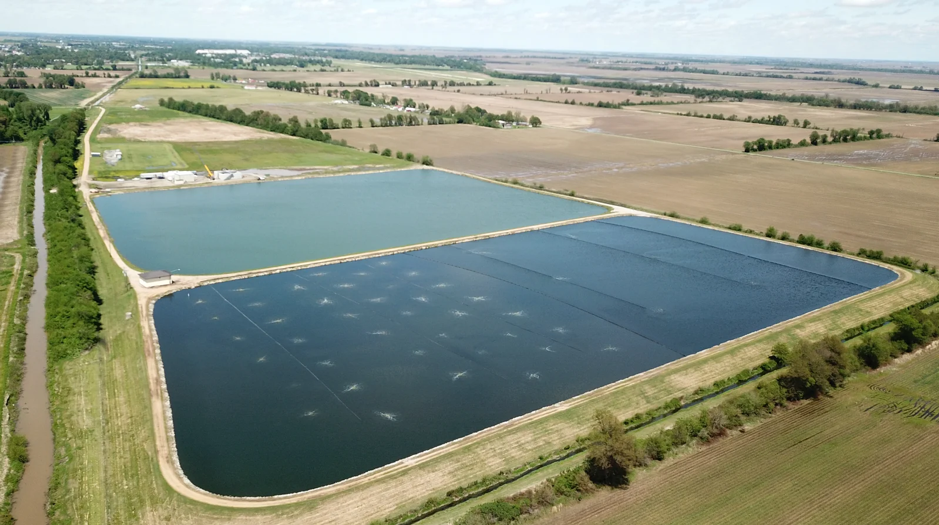
Most farms depend on lagoons because they’re cost-effective and scalable. But lagoons work only as well as the bacteria inside them. Common lagoon issues include:
- sludge accumulation
- crusting from FOG
- stratification
- oxygen depletion
- uneven digestion
- odor spikes during warm weather
To help you prevent all of these problems, we have created Chemtech Biogas Plus Additive. It helps
- break down solids more efficiently
- reduce sludge volume
- minimize odor
- improve overall biological consistency
- accelerate anaerobic digestion
- increase methane yield for farms using covered lagoon systems
3. Secondary/Biological Treatment
Some farms add second-stage biological systems for higher-quality effluent. These systems typically include:
Aerobic Treatment (Oxygen-based): Used to reduce ammonia, odor, and residual organics; often implemented via surface aerators, diffusers, or oxidation ditches
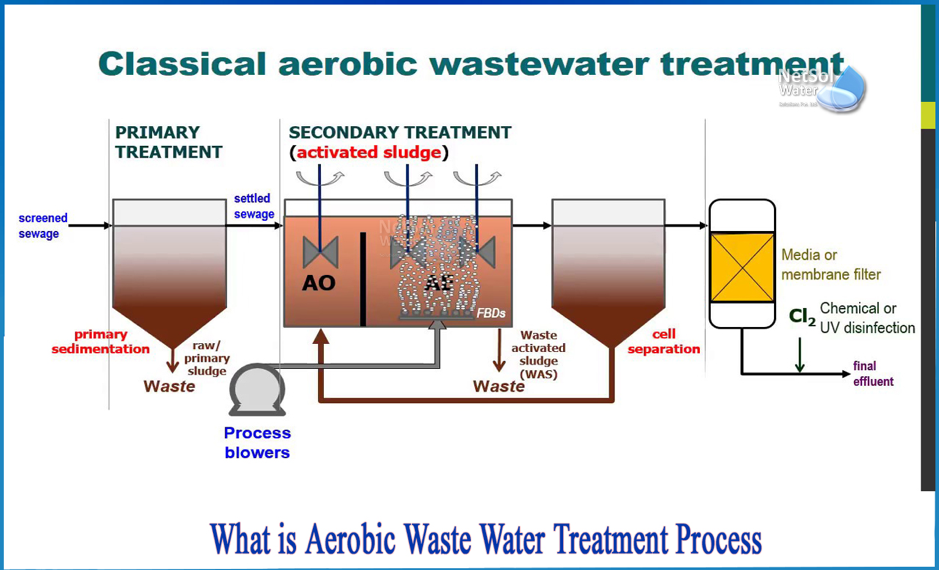
Anaerobic Digestion (Oxygen-free): Ideal for manure-dominated wastewater, enabling biogas recovery and long-term cost savings
Advanced Treatment & Reuse Options for Wastewater Treatment in Agriculture
As drought pressure, water costs, and sustainability expectations rise, many farms are moving toward advanced treatment and reuse. Here are five latest treatment and reuse options that are quite popular when it comes to wastewater treatment in agriculture:
- UF/RO Filtration: Used when clean reuse water is needed for cooling, cleaning, or irrigation
- Nitrification-Denitrification: Targets ammonia and nitrate removal for compliance with nutrient limits
- Constructed Wetlands: Provide a low-energy, nature-based polishing stage
- Struvite Recovery Systems: Extract phosphorus into a usable fertilizer, turning waste into revenue
- Lagoon-to-Irrigation Reuse: Effective when pathogen levels, solids, and nutrient loads are properly controlled
Before reusing treated water, farms should evaluate water safety. This well-water interpretation guide applies similar principles and is a perfect guide for you to get more details!
Build a More Resilient Farm Wastewater System with Chemtech
We at Chemtech believe that clean, reliable wastewater treatment is critical for protecting soil, water, livestock, and community health while keeping farms compliant without spending unnecessary money on dredging or chemicals.
If you need a technical partner to focus on boosting performance at your farm, we’ve created a series of guides around wastewater treatment for you, including:
👉 The Ins and Outs of Wastewater Analysis
👉 Cheapest Wastewater Treatment Technologies
👉 Wastewater Treatment Using Bacteria
Wastewater treatment in agriculture is more than a regulatory task; it’s a vital part of long-term farm sustainability. Efficient treatment means fewer odor complaints, lower sludge handling costs, better compliance, and healthier land application practices.
Strong biological systems reduce costs, minimize environmental risk, and ensure that farms remain productive and compliant for years to come.
About Author

Neel Daphtary
Neel Daphtary is the President of Chemtech International. He oversees sales, distribution and business development. He excels at helping pharmaceutical and manufacturing firms find the right processes and environmental solutions. Neel is an active member of Global Philadelphia, an organization committed to community development in PA.

Have Any Questions Or Comments?
Call Us For Help!
888-709-8070