
Clogged sewer lines. Overflowing manholes. Foul smells coming from drains.
These are all common consequences of FOG, which stands for fats, oils, and grease, entering water systems.
The problem of FOG doesn’t start big. In most cases, it begins with something as simple as washing dishes or rinsing out a fryer. But over time, FOG builds up, hardens, and blocks flow. And when that happens, the costs are heavy: expensive repairs, treatment plant overloads, and environmental violations.
Cities and facility managers usually split their hairs dealing with the aftermath, but the real solution is actually upstream–stopping FOG before it takes hold.
In this article, we will explore what FOG really is, how it behaves inside water systems, and what can be done to prevent it.
Along the way, we’ll look at practical strategies and how Chemtech’s wastewater treatment and odor control products support facilities that are already dealing with high FOG loads.
What is FOG?
FOG – fats, oils, and grease – is more than just kitchen waste; it’s one of the most persistent threats to modern wastewater systems.
- Fats are solid at room temperature. These usually come from meat scraps, dairy products, or cooking residue like bacon grease.
- Oils are liquids, such as vegetable oil or canola oil. Even small amounts coat pipe interiors and reduce flow.
- Grease is somewhere in the middle. It might start off hot and liquid, but it cools quickly and turns sticky or semi-solid.
FOG gets into wastewater lines through everyday activities, such as rinsing plates, washing fryers, and cleaning utensils.
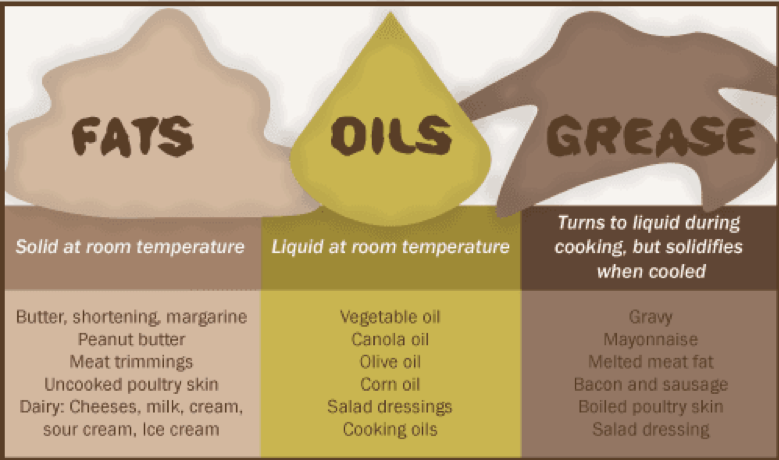
In food service operations, the volume is even greater, and without intervention, it ends up settling in pipes or clinging to walls.
Being a wastewater engineer, food industry professional or a restaurateur, you would already know that what goes down as a liquid quickly becomes a hardened, layered mass. These deposits can narrow pipes over time, or worse, form complete blockages that halt flow and cause overflows.
Once established, FOG doesn’t just wash away. It stays put, grows, and attracts more solids, turning pipes and into choke points.
So Why is FOG a Serious Problem?
The problem with FOG is that it doesn’t work alone.
Once in the system, it binds with debris like food particles, soap scum, and dirt. The result is a hardened buildup that’s incredibly difficult to break down – what many call “fatbergs.”
These masses reduce pipe diameter, slow flow, and put pressure on lift stations and pumps.
Eventually, they cause backups. Sewer overflows aren’t just a maintenance issue; they’re a public health risk and an environmental hazard, too.

Overflow events can discharge raw wastewater into nearby waterways, which harms aquatic ecosystems and can lead to costly EPA violations. Some cities spend millions every year responding to these issues.
According to data from TCEQ, FOG is one of the top contributors to sewer overflows statewide.
From a financial standpoint, too, it adds up quickly. Emergency jetting, equipment damage, and regulatory fines – all because fats, oils, and grease were allowed to collect where they shouldn’t.
Where Does FOG Come From?
It’s easy to point to restaurants, and yes, they’re one of the biggest contributors. But FOG isn’t just a commercial kitchen issue.
Common sources of FOG include:
- Industrial food processors
- Multi-residential buildings with shared sewer connections
- Hospitals, schools, and office cafeterias
- Personal care products and cosmetics that rinse down drains
Even households play a role. Pouring leftover oil into the sink or rinsing greasy pans directly under hot water might seem harmless, but it contributes to the same long-term buildup.
Over time, small daily amounts of fats, oils, and grease create the same conditions seen in high-volume commercial operations. And since FOG is difficult to detect until it causes problems, most facilities don’t realize they have a buildup until it’s too late.
So, how do you solve this issue? Let’s find out solutions in the following paragraph.
How to Prevent FOG from Entering Water Systems
The good news is that there are some ways to prevent FOG by following frontline practices and having the right equipment and tools in commercial kitchens, while states and municipalities also take initiatives to prevent it.
Let’s discuss all of them real quick…
Frontline Practices
Prevention starts at the source. Whether in a home, restaurant, or processing plant, basic steps make a difference:
- Scrape food scraps into the trash before washing dishes.
- Avoid pouring cooking fatty and oily substances or leftovers down the drain.
- Wipe pans and surfaces with paper towels before rinsing.
- Use drain screens to catch debris.
These simple habits help reduce how much FOG reaches the pipes.
FOG Management for Food Businesses
For commercial kitchens, frontline action isn’t enough. Equipment and training matter a lot in such cases. Some solutions are:
- Install grease traps and interceptors wherever required.
- Set a regular schedule for cleaning and maintaining those systems.
- Train kitchen staff on proper disposal and clean-up techniques.
- Use signage as visual reminders near sinks and prep areas.
Remember, facilities that don’t maintain their traps or educate their teams often face repeat issues, especially during high-use seasons.
Municipal & Industrial Level Prevention
At the city and system level, it’s important that municipalities and industries –
- Launch public awareness campaigns to change residential behavior
- Require pretreatment systems in food service establishments
- Conduct regular sewer inspections using cameras and flow sensors
Together, these efforts can go a long way towards reducing FOG load and improve overall system performance.
Read our A-to-Z Guide to FOG Control to learn more about wastewater management strategies for FOG control!
Long-Term Benefits of Proper FOG Management
Once you have processes and systems in place to prevent and manage FOG, you start seeing tangible benefits within a few months:
- Lower Maintenance Costs: Fewer backups mean fewer service calls and reduced wear on pumps and pipes.
- System Efficiency: Properly managed systems handle peak flows better and maintain higher biological performance.
- Regulatory Compliance: Facilities that actively treat and reduce FOG stay within EPA and local discharge limits.
- Odor Control: Less grease and waste buildup equals fewer complaints from nearby residents and employees.
How Can Chemtech International Help with Odor Control and Wastewater Treatment Solutions?
Now, here is the thing – even with best practices in place, FOG still gets through. And that’s why we, at ChemTech, have designed our wastewater treatment products that are designed to deal with it inside the system, before it causes damage.
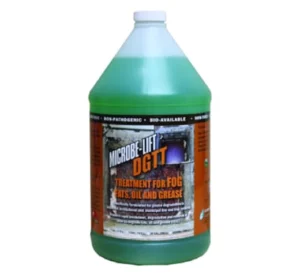
MICROBE-LIFT FOG-GT is one of ChemTech’s frontline products for treating fats, oils, and grease inside grease traps and collection lines. It uses active bacterial culture that digests organic matter and converts it into harmless byproducts. This helps keep the flow moving while reducing the volume of solids in the system.

For treatment plants and digesters dealing with heavy organic loads, MICROBE-LIFT® DGTT targets sludge, enhances settling, and reduces the odor that often comes with FOG decomposition. It’s a go-to for facilities looking to stabilize biological performance during peak flow or seasonal surges.
A few years ago, our team helped One Whitemarsh Township in Lafayette Hill, PA address severe lift station odor and grease buildup.
Within a few weeks, odors dropped, and pumping efficiency improved, without relying on aggressive chemicals or expensive mechanical interventions.
To learn more about how to get rid of odors caused by FOG in pipes and wastewater systems, read our Comprehensive Guide to Odor Control in Wastewater Treatment.
Clearing Up the “FOG”
FOG may seem like a small issue at the point of disposal, but its long-term impact on wastewater systems is anything but small. The key is proactive control and targeted treatment.
Chemtech’s product line offers an effective, eco-friendly way to manage fats, oils, and grease from trap to treatment. With solutions such as Odorgone Industrial, FOG-GT and DGTT, facilities can stay compliant, reduce costs, and eliminate odors before they become public issues.
Feel free to get in touch with our team to discuss your concerns related to FOG, and we would be happy to guide you further!
About Author

Neel Daphtary
Neel Daphtary is the President of Chemtech International. He oversees sales, distribution and business development. He excels at helping pharmaceutical and manufacturing firms find the right processes and environmental solutions. Neel is an active member of Global Philadelphia, an organization committed to community development in PA.


Have Any Questions Or Comments?
Call Us For Help!
888-709-8070