
What happens when your wastewater effluent suddenly fails a toxicity test? That is the phone call nobody wants to get on a Friday afternoon.
Let us tell you that high levels of ammonia in wastewater aren’t just a red flag but they are also a screaming siren that your biological engine is stalling out. And, it’s not just about the smell or the cloudy water, either.
Ammonia is a potent toxin that can wipe out downstream aquatic life in minutes, leading to the kind of regulatory fines that wreck your annual budget.
But you can’t fix what you don’t understand, so we need to start by looking at exactly why your system is failing.
What Causes High Ammonia In Wastewater Effluents?
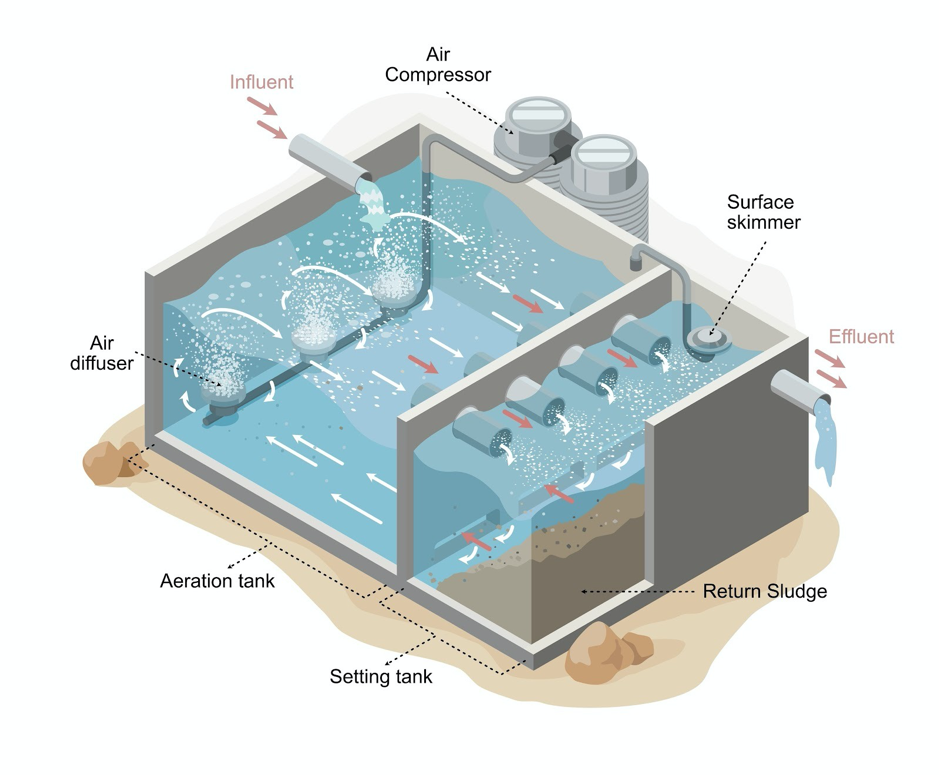
Identifying the root cause is the only way to stop the bleeding. Is your system providing enough dissolved oxygen for nitrifying bacteria to breathe?
Inadequate aeration is usually the first place we look. These bugs are oxygen-hungry, and if your dissolved oxygen (DO) dips below 2.0 mg/L, they basically go on strike. But oxygen is just one piece of the puzzle.
So, why does the removal of ammonia in wastewater become so much harder when the temperature drops?
Because, cold weather acts like a parking brake on microbial metabolism. As winter rolls in, your bacteria slow down, meaning you need much longer retention times to get the same job done.
Then you have the chemical threats. Can a sudden shift in water chemistry or a “slug” of industrial chemicals kill your beneficial microbes? You bet.
A simple pH drop or a toxic discharge can wipe out your entire nitrifier population overnight.
⏩ We break down these specific environmental triggers in our deep dive on Wastewater Treatment Plant Issues: Reducing BOD and Ammonia Levels.
Once you know what’s killing them, you need to understand how the survivors actually work. How do bacteria turn raw ammonia into nitrite and eventually nitrate?
Biological Removal of Ammonia from Wastewater
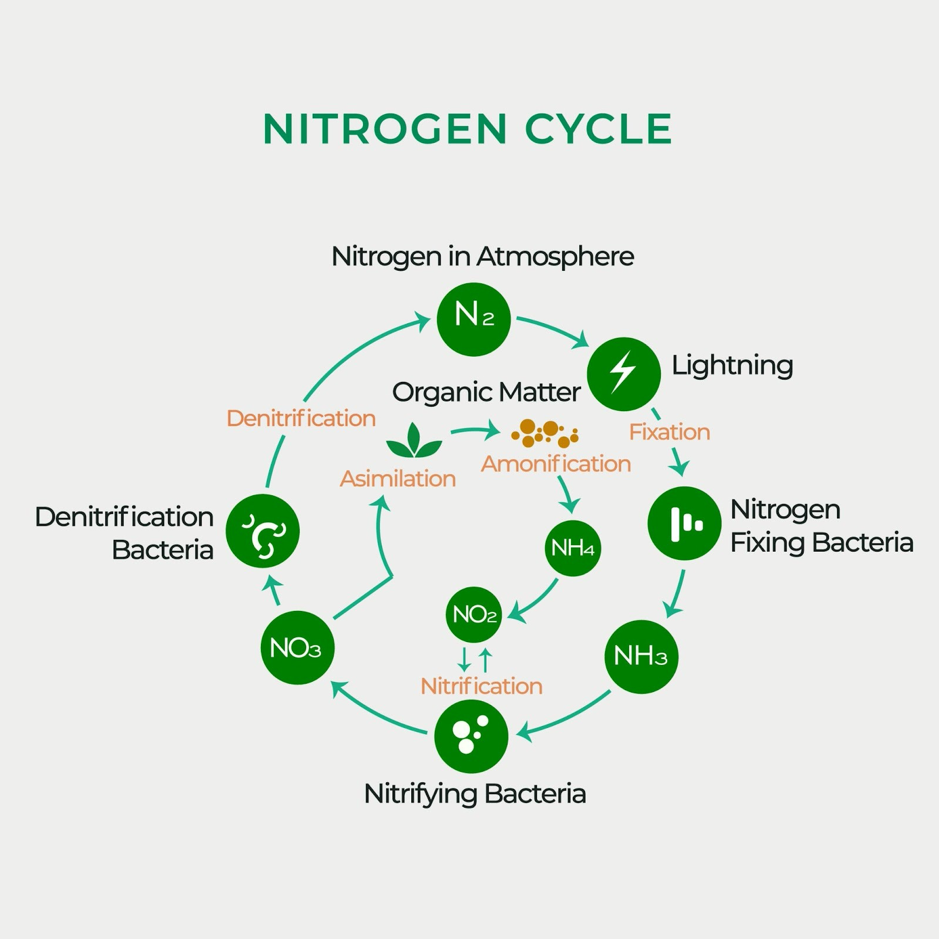
It’s a biological relay race known as nitrification. First, Nitrosomonas grabs the ammonia and turns it into nitrite, then Nitrobacter takes the baton and finishes the job by converting it to nitrate.
But just having the bacteria isn’t enough; you have to give them time to run the race.
Why do nitrifying bacteria require a longer “mean cell residence time” than other microbes? Because they reproduce painfully slowly.
If you waste sludge too aggressively, you are literally flushing your workers down the drain before they can establish a colony. And don’t forget the fuel they need.
Did you know that for every gram of ammonia oxidized, you burn through significant alkalinity in your system? If you aren’t watching that number, your pH crashes, and the whole process grinds to a halt.
⏩ To get an in-depth overview of how microbial biomes work, take a look at our guide on Wastewater Treatment Using Bacteria.
Can You Predict the Rise of Ammonia in Wastewater?

Knowing biology is great, but how do you know if it’s actually working right now? How can tracking your “Mixed Liquor Volatile Suspended Solids” (MLVSS) save your plant from a crash?
By keeping an eye on the mass of your biological inventory, you can spot a performance dip days before the ammonia actually spikes in your effluent.
We always tell operators to use precision kits to catch ammonia spikes before they reach the discharge point. Waiting for a monthly lab report is reckless; you need real-time data so you can adjust your blowers or return rates immediately.
⏩ You can learn how to identify these critical shifts and respond to them in our article Parameters in Water Quality Analysis Explained.
Best Strategies for Quick Reduction of Ammonia in Wastewater
So, the numbers are heading south… What do you do?
Ramping up the amount of dissolved oxygen (DO) is often the first step in most emergency protocols. Oxygen is the primary fuel for nitrification. Cranking up the air often gives sluggish bacteria the kick they need to chew through the ammonia backlog.
But what if the bacteria just aren’t there? How can adding specialized lab-grown bacteria speed up the recovery of a stalled system?
The answer is bio-augmentation – it brings in a concentrated army of nitrifiers exactly when you need them, skipping that slow natural regrowth period entirely.
You also have to look at your solids: Is excess sludge “holding on” to nitrogen and preventing your system from cleaning the water? Sometimes, you have to waste out old, lazy sludge to make room for a fresh, active population.
⏩ If you are managing farm runoff, check out Wastewater Treatment in Agriculture: The Definitive Guide.
Products That Naturally Eliminate Ammonia from Water
When operational tweaks aren’t cutting it, you need a specialized tool. Chemtech’s CHM-AMRB-5B Ammonia Reduction Blend provides a concentrated punch of nitrifying microbes that is designed to flush ammonia out of water in a safe and eco-friendly manner.
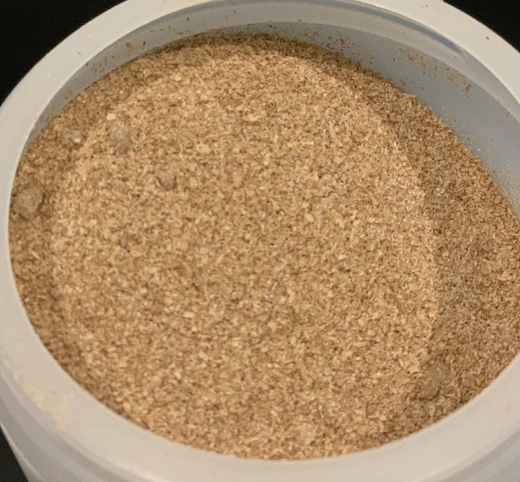
This stuff is engineered for high-stress environments, delivering a massive count of Nitrosomonas and Nitrobacter strains selected specifically for their toughness.
Why is this specific blend more effective than relying on “wild” bacteria during a system restart? Wild strains are unpredictable and slow to adapt, whereas a targeted blend gives you stability right now.
How does regular maintenance with a reduction blend prevent the “seasonal spikes” that many plants suffer from? By dosing consistently, you keep a baseline population that can handle sudden temperature drops or load increases without crashing the system.
Dealing with Environmental Compliance Issues Arising from Ammonia in Wastewater
Using the right products leads to consistent results, which keeps your permit safe. In such situations, how do strict nitrogen limits affect your operating permits and bottom line?
As regulators are cracking down hard on nutrient pollution, a single violation can cost more than a year’s worth of proper treatment.
Moreover, you can be sure biological ammonia removal is more cost-effective than chemical stripping in the long run. That’s because chemical methods are both hazardous and expensive. Biology is cheaper, safer, and cleaner—it just takes a little more know-how to manage.
⏩ Feel free to evaluate your current setup by reading about Activated Sludge Systems: Advantages and Disadvantages.
Stabilize Your Facility With Chemtech
At the end of the day, managing ammonia is all about being in control. At Chemtech, we don’t just sell buckets of bugs; we provide the biological expertise to solve your toughest ammonia in wastewater challenges.
We know every wastewater plant has its own “personality,” and generic advice usually fails. That is why we tailor our solutions to fit your specific mess, whether that means fixing your aeration, boosting your alkalinity, or hitting the tank with a heavy bio-augmentation plan.
Are you ready to stop losing sleep over your effluent quality and start running a compliant facility with Chemtech by your side? Contact our team to know more!
About Author

Neel Daphtary
Neel Daphtary is the President of Chemtech International. He oversees sales, distribution and business development. He excels at helping pharmaceutical and manufacturing firms find the right processes and environmental solutions. Neel is an active member of Global Philadelphia, an organization committed to community development in PA.

Have Any Questions Or Comments?
Call Us For Help!
888-709-8070