
Demand for contract development and manufacturing organization capacity has grown consistently since COVID-accelerated vaccine outsourcing — at a scale the vaccine development industry had never handled before. Speed and efficiency have always determined which CDMOs win the next contract, but the bar sits considerably higher now than it did five years ago.
CDMO operations managers, pharma and biotech contract manufacturing leaders, fill-finish facility managers, and vaccine developers evaluating outsourcing partners are all working under the same pressure: fill-finish remains the most commonly outsourced and most bottlenecked stage in vaccine manufacturing, and every hour lost there compounds down the entire development timeline.
This article covers where CDMOs actually lose time in vaccine development, what technology and equipment changes move efficiency numbers in practice, and what the COVID-era scale-up taught the industry about building vaccine production capacity that holds under pressure.
What are CDMOs and Why Do Vaccine Developers Rely on Them?
A contract development and manufacturing organization provides development, scale-up, and manufacturing services to pharmaceutical and biotech companies that do not have in-house capacity for a specific process or product. Vaccine developers turn to CDMOs to access GMP-compliant facilities, technical expertise, and manufacturing capabilities without carrying the capital burden of building and maintaining that infrastructure themselves.
Biotech contract manufacturing partnerships let smaller developers scale from clinical trial volume to commercial volume without owning the equipment or facility footprint that scale demands. CDMOs also absorb project risk on behalf of their clients, expanding capacity or partnering with other CDMOs when demand spikes unexpectedly. That flexibility is exactly what happened at unprecedented scale during COVID vaccine rollout, when a single organization managing every production stage internally would have been far slower than the network of specialized CDMOs that actually delivered.
Now when there’s outsourcing or new development, there are also some challenges in achieving highest productivity and efficiency levels.
Where Do CDMOs Lose Time and Efficiency in Vaccine Development?
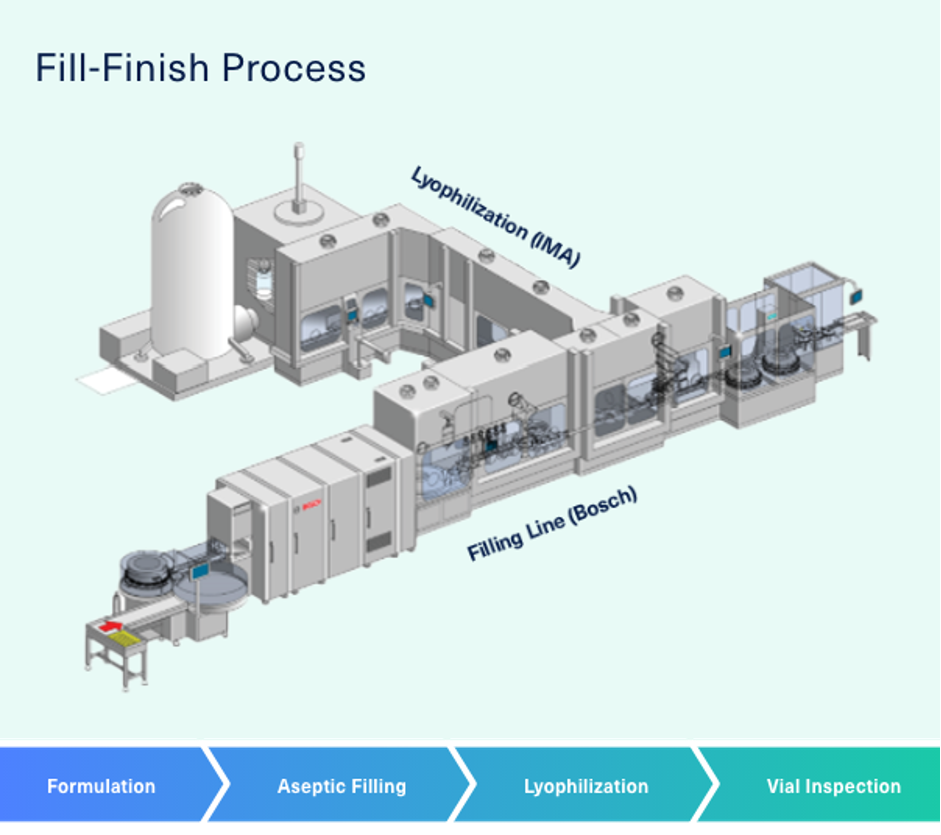
There are three friction points for consistently slowing down CDMO development timelines, regardless of the specific platform involved.
Technology Transfer Between Development and Manufacturing Scale:
Moving a process from clinical-scale development to commercial-scale manufacturing introduces variability that simply was not present at smaller batch sizes. Equipment and process differences between scales create validation delays when the transfer plan does not account for them early, which is more often than not what actually happens.
Fill-Finish Bottlenecks:
Fill-finish is consistently identified across the pharmaceutical industry as the most outsourced and most capacity-constrained stage of vaccine manufacturing. Sterile fill-finish processes demand the highest levels of contamination control, and that requirement caps throughput unless equipment and process design specifically account for speed alongside sterility.
Equipment and Container Handling Inconsistency:
Non-standardized vial and container handling equipment – such as softgel and vial loading trays – across different stages of production increases changeover time between batches and introduces additional contamination risk points precisely at the moments when a facility is scaling up.
To overcome these bottlenecks, CDMOs have come up with a few solutions including technical aspects as discussed below.
How is Technology Making CDMOs More Efficient in Vaccine Development?
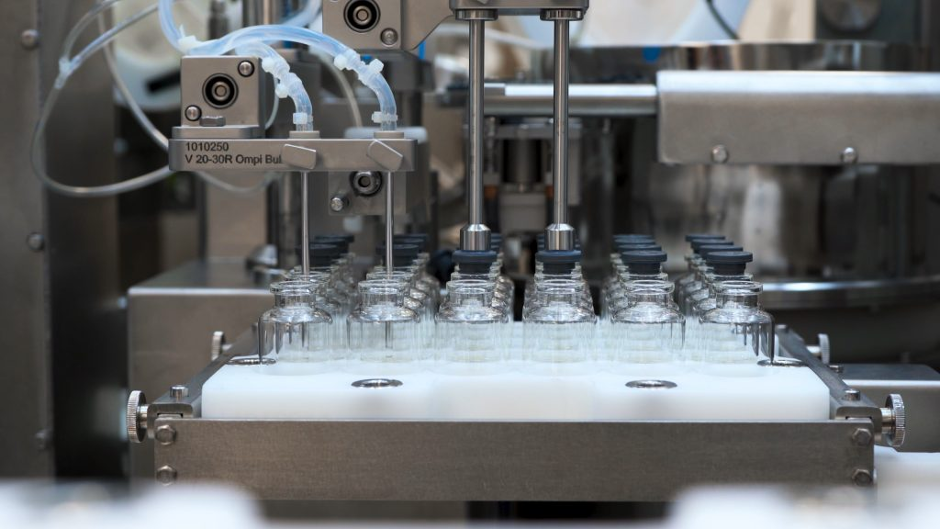
Single-Use and Disposable Systems:
Single-use systems eliminate cleaning validation between batches, cutting changeover time and cross-contamination risk in one move. This matters most for CDMOs handling multiple client products inside the same facility, where a shared cleaning protocol across products creates its own scheduling and validation overhead.
Automation and Robotics in Fill-Finish
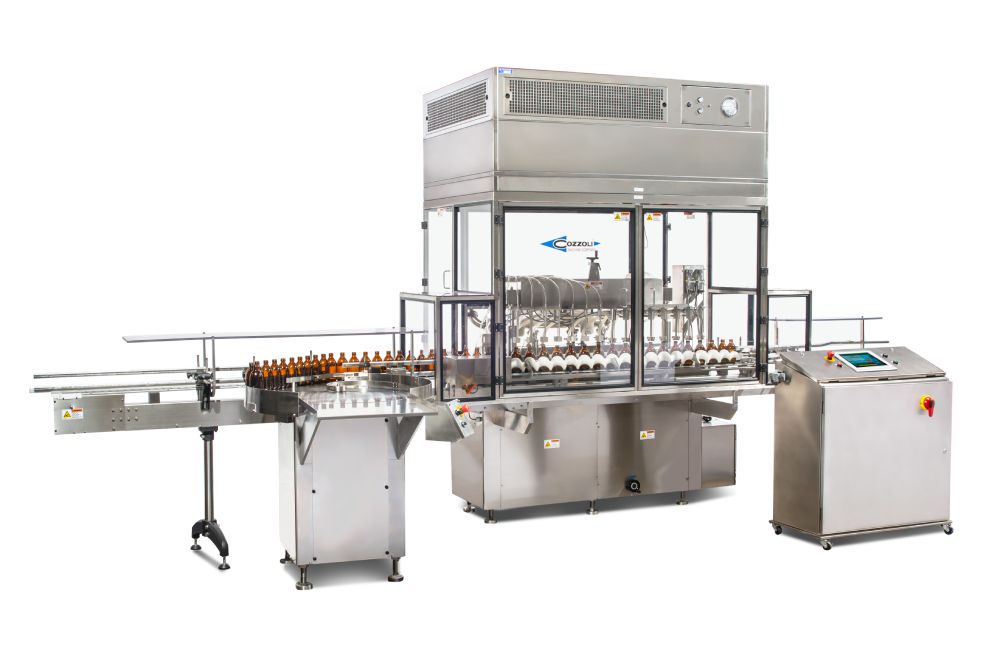
Automated and semi-automated filling machines increase throughput while reducing the manual intervention points that carry contamination risk. Isolator technology and robotics have become standard investments for CDMOs involved in fill finish manufacturing, competing on speed and sterility assurance at the same time rather than trading one for the other.
Flexible, Modular Manufacturing Footprint
The industry shifts from large fixed manufacturing areas to smaller flexible footprints that lets CDMOs handle smaller batch sizes with frequent changeovers, exactly what biologics and mRNA vaccine production increasingly require. Modular design allows a single facility to serve multiple client programs without dedicating fixed infrastructure to each one.
Digital Process Monitoring and Predictive Planning
Real-time process monitoring shortens the feedback loop for catching deviations before they affect batch quality, rather than discovering a problem during release testing. Collaboration at the early development stage between CDMO and developer improves material and capacity planning across clinical trial, launch, and commercial supply phases.
Despite all the technological advancements in CDMOs, there’s one aspect that is highly underused to increase the efficiency: equipment standardization.
Why Equipment Standardization is an Underused CDMO Efficiency Lever?
Standardizing vial and container handling equipment across development, clinical, and commercial scale reduces the validation burden every time a process moves to the next stage. When the same tray specification, material grade, and handling system carries through scale-up, technology transfer introduces fewer new variables to validate at each stage change.
Equipment standardization also reduces cleaning protocol complexity across multi-client CDMO facilities. A consistent tray specification supports a consistent, repeatable cleaning validation rather than requiring a new protocol built from scratch for each client product that comes through the facility.
This is a lower-visibility efficiency lever compared to a major automation investment, but it compounds quietly across every batch and every client program a facility runs, which is exactly why it tends to get overlooked in favor of more visible capital projects.
What CDMOs Learned from COVID-Era Vaccine Scale-Up?
The pandemic forced CDMOs to scale fill-finish capacity faster than any prior industry event had required. During the peak of COVID, Vaccine CDMOs showed that unified systems, each handling one component of the development process, made rollout more efficient and more flexible than any single organization attempting to own every stage internally.
The lesson carried forward from that period is straightforward: efficiency at CDMO scale comes from coordinated, modular capacity rather than any one organization trying to control the entire process end to end.
Chemtech Products for CDMO Vial Handling Efficiency
Vial and container handling equipment is a direct lever CDMOs can standardize across development, clinical, and commercial scale without waiting on a full capital equipment cycle. Chemtech supplies vial loading trays purpose-built for pharmaceutical and biotech fill-finish operations, including CDMO facilities managing multiple client programs simultaneously.
Composite Vial Loading Trays

A full range of vial loading tray configurations covering fill-finish, lyophilization, and inspection stages across development and commercial manufacturing.
Stainless Steel Vial Loading Trays
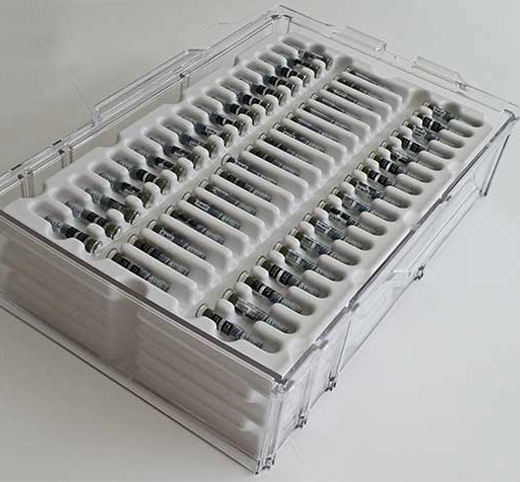
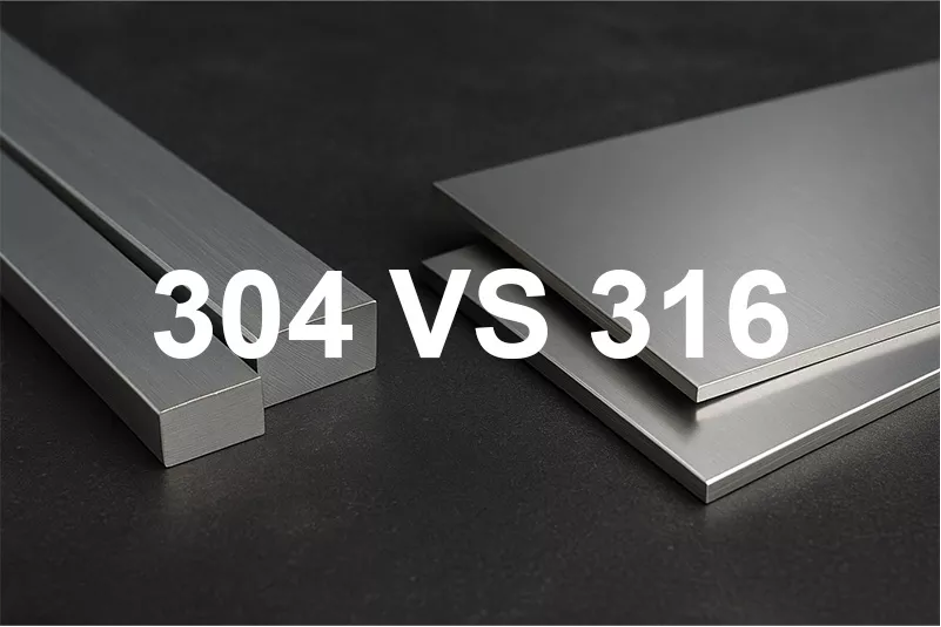
Type 304 and 316L stainless steel options with 2B, brushed, and electropolished finishes for sterile and cleanroom-classified environments. A standardized specification carries consistently from clinical to commercial scale, reducing validation friction at each technology transfer point.
Ready to Improve Efficiency Across Your CDMO’s Vaccine Development Pipeline?
CDMO efficiency in vaccine development comes from a combination of automation investment, modular capacity planning, and standardized equipment specification carried consistently across every scale-up stage. Technology transfer friction and fill-finish bottlenecks are the two points where efficiency gains compound fastest once they are addressed directly rather than worked around.
Chemtech supplies high-quality vial loading trays and stackable syringe inserts that support consistent, validated fill-finish operations across development and commercial scale. You can find out more or request a custom quote by getting in touch with our team.
About Author

Neel Daphtary
Neel Daphtary is the President of Chemtech International. He oversees sales, distribution and business development. He excels at helping pharmaceutical and manufacturing firms find the right processes and environmental solutions. Neel is an active member of Global Philadelphia, an organization committed to community development in PA.



Have Any Questions Or Comments?
Call Us For Help!
888-709-8070