
Aseptic bottle filling machines are invaluable to industries that depend on product sterility, such as pharmaceuticals, biotechnology, and food production. These machines fill containers while preventing contamination, ensuring products remain free from harmful microorganisms and other pollutants.
This article will explore the benefits, operation, and value of aseptic bottle filling machines in today’s production settings.
Quick Takeaways
- Aseptic bottle filling machines ensure product sterility and safety in automated packaging.
- Filling machines are widely used in pharmaceuticals, biotechnology, and food industries.
- Standard advanced technology in aseptic filling reduces contamination risks.
- Different machine types cater to various products and specifications.
- Regular maintenance and compliance with standards are required for optimal performance.
What is an Aseptic Bottle Filling Machine?
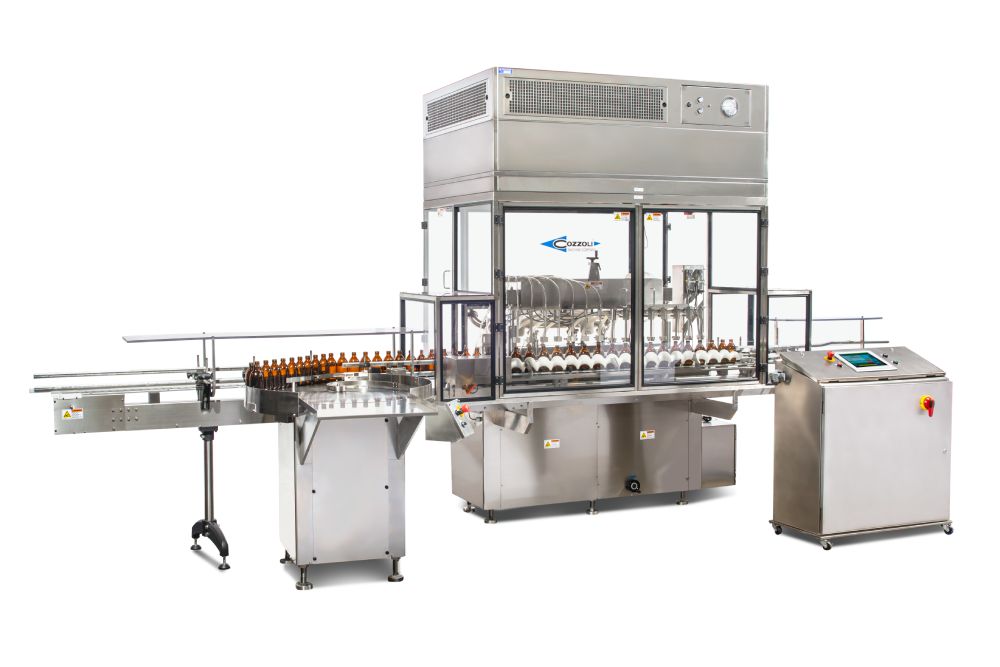
Aseptic bottle-filling machines are mechanical systems that fill containers in a sterile environment. They are one of many different components in the aseptic-filling world. These methods prevent contamination, which is an absolute must in many industries. The machines ensure sensitive products are filled without exposure to bacteria, viruses, and contaminants. Even minimal contamination can lead to product spoilage, recall costs, and detrimental health risks.
Standards and Protocol
Today’s regulatory standards make aseptic filling a mandatory practice. As consumer expectations and industry protocols continue to increase, processes like aseptic filling gain importance and attention. Modern systems must meet stringent FDA regulations, including Title 21 requirements for materials and components. This includes everything from the filling machinery to the loading trays and handling equipment used throughout the process.

How Aseptic Bottle Filling Machines Work
Let’s examine what makes up an aseptic bottle filling machine and the process under which it works.
Key Components of an Aseptic Bottle Filling Machine
Aseptic filling machines consist of several components that enable sterile filling, including:
- Sterile Chambers: Working with aseptic machinery requires a sterile environment. The chambers have filtration systems to ensure air purity, often using HEPA or ULPA filters and strict personnel codes.
- Bottle Feeding Mechanism: The bottle feeding mechanism is the first step in the filling process. Bottles are placed into the feeder, and a motor-driven turntable usually guides them onto the conveyor belt.
- Filling Nozzles: Designed for precise dispensing, filling nozzles are built to minimize splashing and potential contamination. The filling nozzle is the actual tool used to fill the liquid. Some systems include multiple nozzles to handle high volumes efficiently.
- Sterilization Units: These maintain sterility using methods like dry heat, steam, gas sterilization, or ultraviolet light, depending on the machine design and product.
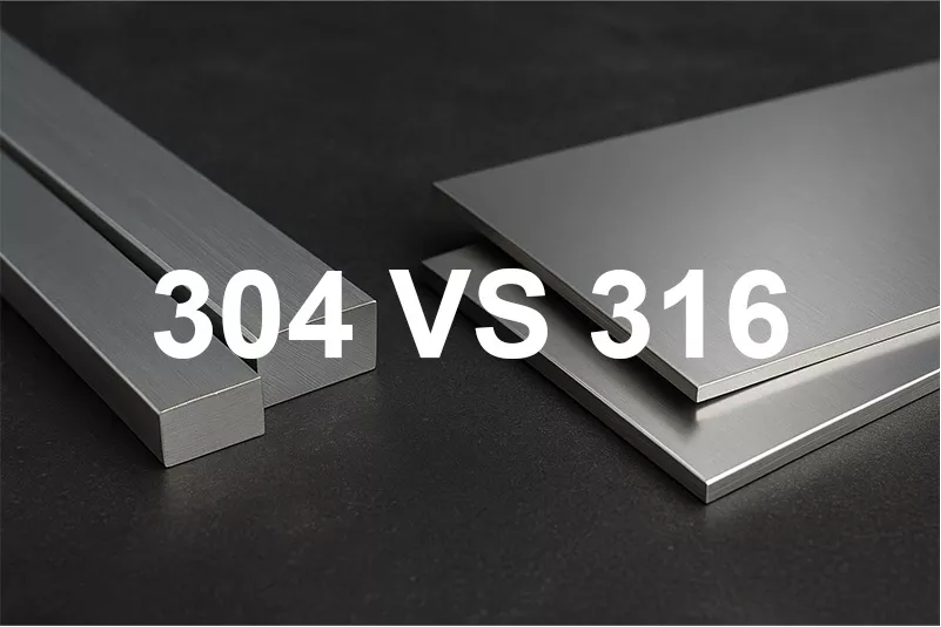
- Loading Systems: Modern systems utilize advanced loading trays made from polycarbonate or electro-polished stainless steel. These trays feature smooth, non-porous surfaces that resist corrosion and facilitate thorough cleaning.
Sterilization and Filling Process
The process begins with proper container handling and preparation. Loading systems, constructed from durable, FDA-approved materials, move containers through pre-sterilization. These specialized trays feature ergonomic designs for safe handling and stack efficiently to maximize space during processing.
Once in the sterile chamber, filling nozzles dispense the product precisely while the surrounding equipment maintains environmental control. Every component must meet strict regulatory standards, from initial handling to final sealing. The filling process breaks down into three main steps:
- Pre-Sterilization: Containers and trays are prepared and sterilized before entering the aseptic environment. Depending on the product, sterilization methods may include heat, chemical treatments, or UV light, ensuring that containers are entirely contaminant-free.
- Aseptic Filling: In a controlled sterile chamber, filling nozzles precisely dispense the product. This minimizes splashing and potential contamination while maintaining a consistent fill level, essential for products like vaccines or injectable medications.
- Sealing and Final Sterilization: Containers are immediately sealed in a sterile environment. Caps and closures are applied under aseptic conditions, and some products may undergo a final sterilization process to reinforce product integrity.
Additional Benefits of Aseptic Bottle Filling Machines
Product Safety and Quality
Aseptic bottle filling machines uphold product quality by preventing contamination. Maintaining sterility improves shelf life and safety for products. By automating this process, these machines reduce human contact with the product, lowering the risk of exposure and ensuring consistency. Additionally, aseptic processes allow food products to remain fresh without preservatives. The result is a product with an extended shelf life that meets high-quality standards.
Increased Efficiency and Cost Savings
Thanks to precise and efficient systems, automation within aseptic filling minimizes downtime, speeds up production, and reduces waste. These machines require less labor intervention, reducing the risk of human error and increasing output rates. Using long-lasting, corrosion-resistant materials in handling equipment means fewer replacements and maintenance cycles. Further benefits include:
- Faster cycle times increase overall productivity.
- Automation reduces reliance on manual labor.
- Less waste means better resource utilization.
Additionally, fewer resources are spent on product recalls or reprocessing due to contamination issues, translating to significant cost savings over time. For companies facing high demand, aseptic filling machines allow them to meet production goals without sacrificing quality, making them a valuable long-term investment.

Practical Applications and Future Implications
Key Industries and Uses
Pharmaceuticals use aseptic bottle filling machines, where sterile filling is required for injectable medications, vaccines, and biologics. Specialized handling systems can withstand extreme temperatures while maintaining product integrity, particularly in vaccine production.
They’re also important in the food industry, where juices, dairy, and baby foods require extended shelf life void of preservatives.
Biotechnology, where product integrity directly impacts efficacy, also benefits from aseptic filling technology. Aseptic filling maintains product integrity and consumer safety in cosmetics, especially for sterile or sensitive formulations.
Future Advancements in Aseptic Filling Technology
With continuous advancements, aseptic filling machines have begun incorporating artificial intelligence (AI) and machine learning to monitor and adjust filling processes. Robotics are set to increase accuracy while reducing contamination risks. Materials science continues to evolve, offering new possibilities for handling equipment that provides even better durability and sterility assurance. As regulations increase, aseptic filling technology will adopt even more advanced features, such as blockchain for tracking and transparency.
Explore Filling Solutions With Chemtech
Aseptic bottle filling machines are used in industries requiring high product safety and sterility standards. By automating and controlling the filling process, these machines enable companies to meet health and safety regulations. Their precise, reliable filling ability makes them a core asset in modern production.
Do you have questions about aseptic filling solutions or want to explore more advanced filling technologies? Contact Chemtech today to learn how the latest aseptic filling methods can support your production needs.
About Author

Neel Daphtary
Neel Daphtary is the President of Chemtech International. He oversees sales, distribution and business development. He excels at helping pharmaceutical and manufacturing firms find the right processes and environmental solutions. Neel is an active member of Global Philadelphia, an organization committed to community development in PA.


Have Any Questions Or Comments?
Call Us For Help!
888-709-8070