
Pharmaceutical manufacturers need to guarantee a pathogen-free product, both for the consumer’s benefit and for their own sake. At the same time, though, the pace of business demands that the vial filling and loading process proceeds smoothly and efficiently at every step.
Using and understanding the functionality of an aseptic filling machine will empower your organization to accelerate drug production while also reducing the risk of contamination to very nearly zero.
Key Takeaways:
- Vial filling machines automatically seal batches of medicine or vaccines in an efficient way, with an emphasis on sterilization and complete asepsis.
- An aseptic-style filling machine works by following a process that starts with cleaning then heating the medicine containers for sterilization, followed by filling and finally sealing the product for transport.
- Achieving peak efficiency during filling machine use entails using the right vials and vial loading trays for the specific drugs and processes in question.
With a full understanding of how aseptic filling machines work, your organization will be able to make the best investment choices for manufacturing tools and related aseptic filling equipment.
What Is an Aseptic Filling Machine?
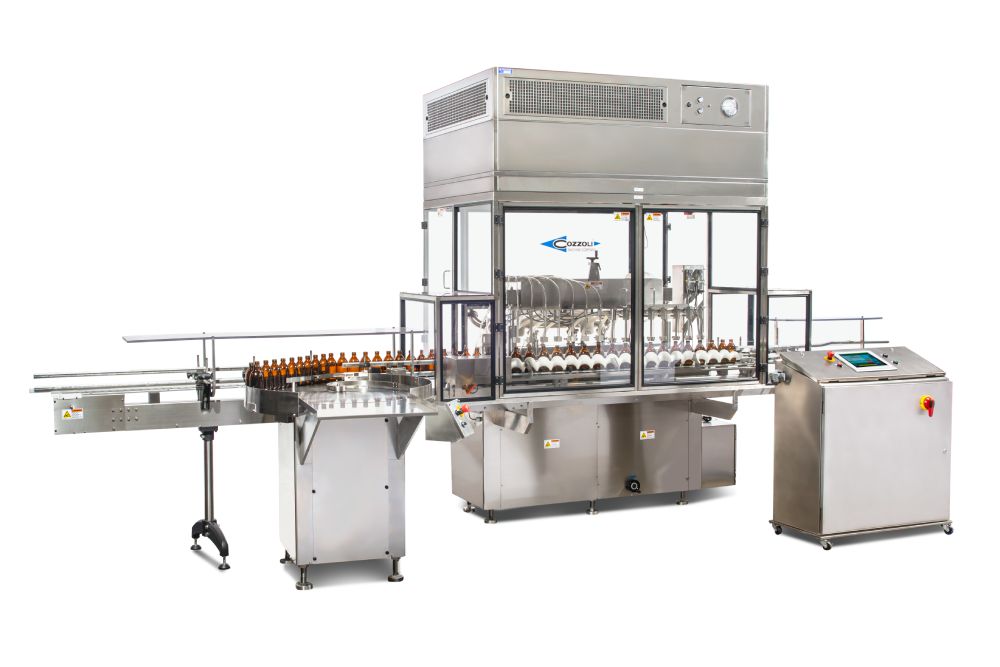
A vial-filling machine automates the process of filling pharmaceutical containers with medical products, whether those products are solids or liquids. An aseptic machine, however, adds an additional step to the process. These machines completely sterilize the containers right before the filling process begins.
Sterilization, filling, and all other related steps happen within the completely closed system of the aseptic filling machine. This ensures that there is no opportunity for pathogens or other contaminants to affect the drug or enter the vial before the product ships off to the consumer.
Describing the filling machine as “aseptic” means that the working environment (the location where the filling actually occurs) is constantly sanitary by default. Whereas being “antiseptic” would mean that the environment undergoes sanitization, asepsis is an even more thorough countermeasure against contaminants because it eliminates the possibility of pathogen exposure altogether.
With a comprehensive sterilization process that is more reliable than topical antiseptic procedures, aseptic filling marks an innovation that growing pharmaceutical companies cannot easily ignore. Other benefits of aseptic filling machines include:
- Full compliance with industry protocols and recommendations
- Minimized wastage and product loss when compared with manual processes
- A swift and efficient process that can be scaled to meet increased demand
- Full control over the system, delivered via touchscreen technology that prevents contamination within the system
How Does an Aseptic Filling Machine Work?
When using an aseptic-style filling machine, the first step of the process is sterilization of all materials or items that will enter the system. This cleaning task is automatic, with no need for human intervention, further reducing the chance of contamination. Cleaning is thorough and will include both the inner and outer surfaces of any ampules, vials, or containers.
 Image Source
Next, a series of heating and cooling components ensure that the sterilization process is complete to a satisfactory level according to standardized procedures for aseptic processing. Containers pass through dedicated heating chambers to kill off any remaining pathogens. The containers then need to cool, so a cooling chamber helps to reduce the temperature of containers to a safe and usable level.
The filling component of the aseptic filling machine accommodates batches of containers to be filled by the machine’s nozzles. Typically, containers will move through the machine on a conveyor system. A belt or track guides each container or vial tray through the machine in sequence, ensuring that no materials are lost and wasted during the process.
The final component seals all containers before they leave the system, protecting the contents from contamination before, during, and after transport to their final destinations. The specific type of sealing required depends on the product and the container — for example, some pharma products require vials with childproof caps that will need to be applied and sealed according to industry regulations and requirements.
What Other Aseptic Filling Equipment Is Necessary?
Aside from the aseptic filling machine itself, it is important to choose the best aseptic filling equipment for the job. This includes the right vials and loading trays according to the drug in production.
When choosing a vial, it is important to consider the drug composition, its reactivity, pH level, and photosensitivity. These will determine the type of glass and even the color of your vial, with amber vials being more suitable for photosensitive compositions.
Vial loading trays boost the efficiency and longevity of your aseptic filling machine by enabling you to fill more vials in one go. You can then stack, store, and transport your filled vials using the loading trays as multi-purposed carrying mediums.
Hurst vial loading trays distributed by Chemtech International are durable and functional, making them a cost-efficient choice for the constant efficiency and repeated use you will see from them. Hurst products include injection molded trays as well as custom vacuum-formed trays that are highly stackable and lock in place, making them ideal for storage and transport.
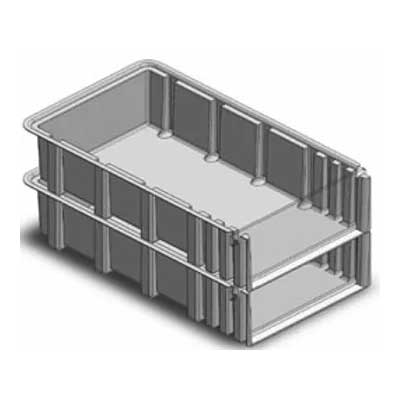
Hurst vial loading trays undergo strict quality control procedures to maintain high performance quality and to meet FDA Title 21 C 176.170 regulations. They also feature a polycarbonate construction, giving them a greater lifespan compared to plastic, metal, and disposable trays. Hurst vial loading trays tend to be a one-time expense for many businesses.
Get the Most Out of Your Aseptic Filling Machine With Chemtech
Vial filling machines are sophisticated technology. They are capable of vastly increasing productivity for pharmaceutical companies. Of course, drug production is also a field in which efficiency goes hand in hand with safety. That is why it is so crucial to understand aseptic processes and the machines that make them possible.
Aseptic filling machines can greatly benefit pharma manufacturers by reducing costs associated with pathogen containment and risk management. Maximizing those savings is a matter of using the right equipment in tandem with vial filling machines so that there is no wasted expense at any stage of production. Contact us today to get a free quote on any of Chemtech’s varied line of products.
About Author

Neel Daphtary
Neel Daphtary is the President of Chemtech International. He oversees sales, distribution and business development. He excels at helping pharmaceutical and manufacturing firms find the right processes and environmental solutions. Neel is an active member of Global Philadelphia, an organization committed to community development in PA.


Have Any Questions Or Comments?
Call Us For Help!
888-709-8070