
Aseptic fill finish manufacturing is an important component of pharmaceutical and biotechnology manufacturing aseptic processes. It ensures that sterile drugs and biologics remain contaminant-free from production to patient administration. This guide will walk you through the essential aspects of aseptic fill-finish manufacturing, exploring its three main stages, key technologies, and best practices.
Quick Takeaways
- Aseptic fill finish manufacturing underpins sterile products that meet regulatory standards and patient needs.
- Staying updated on developments in aseptic processing is essential in the pharmaceutical and biotechnology industries.
- Understanding the preparation, filling, and finishing processes is key to aseptic integrity.
- Investing in quality equipment and seeking expert guidance contributes to successful aseptic manufacturing operations.
Understanding Aseptic Fill Finish Manufacturing
Aseptic fill finish manufacturing is designed to produce sterile products while preventing microbial contamination throughout the production cycle. Unlike terminal sterilization, which sterilizes the product in its final container, aseptic processing maintains sterility from the initial sterilization of the drug product by filling and sealing the final container.
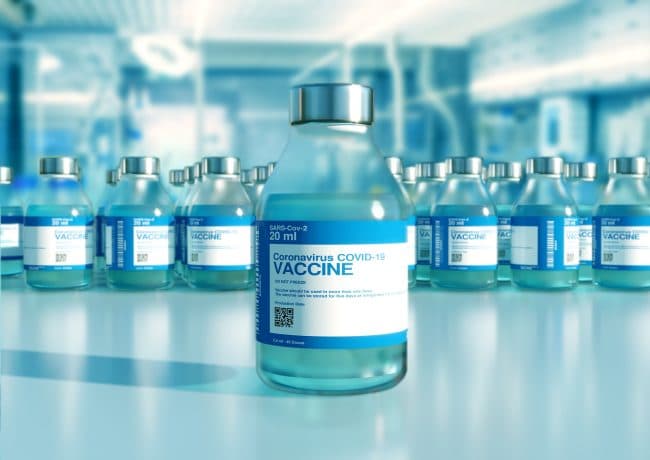
This method is necessary for heat-sensitive products like biologics, vaccines, and certain drugs that cannot withstand terminal sterilization. The aseptic process requires controlling the manufacturing environment, personnel, and equipment to ensure product sterility.
The Three Stages of Aseptic Fill Finish Manufacturing
Stage 1: Preparation
The preparation stage sets the foundation for successful aseptic manufacturing. This phase involves:
- Sterilization of components: All items that will come into contact with the product, including containers, stoppers, and filling equipment, must be thoroughly sterilized.
- Environmental monitoring and control: The manufacturing area, typically a cleanroom, must be continuously monitored and controlled for factors like air quality, temperature, and humidity.
- Personnel training and gowning: To minimize the risk of contamination, staff must be extensively trained in aseptic techniques and proper gowning procedures.
- Acquisition and upkeep of equipment: Fundamental elements such as conveyors and loading trays must be maintained. High-quality, durable vial loading trays facilitate efficient handling. FDA-approved polycarbonate trays, for instance, offer smooth, non-porous surfaces that are easy to clean and resist corrosion, making them ideal for aseptic environments.

Stage 2: Filling
The sterile product is transferred into its final container in the filling stage. This phase includes:
- Types of filling systems: Depending on the product, different filling systems may be used for liquids, powders, or lyophilized (freeze-dried) products.
- Critical control points: Several essential control points are monitored throughout the filling process to ensure product quality and sterility.
- In-process controls: This stage requires continuous monitoring of fill volumes, container integrity, and environmental conditions.
- Efficient material handling: Specialized vial loading trays enhance efficiency and reduce the risk of contamination during the filling process. These trays are designed to integrate seamlessly with various vial filling machines, ensuring smooth operations even in large-scale production.

Stage 3: Finishing
The finishing stage ensures the filled product is properly sealed, labeled, and packaged. Key aspects include:
- Container closure systems: To maintain product sterility, appropriate sealing methods, such as stoppering for vials or heat-sealing for ampules, are used.
- Labeling and coding: Accurate labeling and coding are crucial for product identification and traceability.
- Final packaging and inspection: Products undergo final packaging and rigorous inspection to ensure quality and integrity before distribution.
- Storage and transportation: Properly designed transport containers offer safe stacking capabilities and protection during storage and transportation. Trays that can withstand a wide range of temperatures (from -60° to 250° F) are particularly valuable for cold chain management products.
Cleanroom Technology and Contamination Control
Advanced cleanroom technology is important to aseptic fill finish manufacturing, with facilities typically requiring ISO Class 5 (formerly Class 100) or higher classification. As defined by the ISO, these cleanrooms are determined by the maximum number of particles allowed per cubic meter of air, ensuring an ultra-clean environment for sterile drug production. Key to maintaining this environment are air handling and filtration systems, including HEPA filters, which work together to maintain air quality throughout the manufacturing process.
- ISO Class 5 or higher classification is typically needed
- Particle count per cubic meter of air is strictly controlled
- HEPA filters maintain air quality
- Ultra-clean environment is essential for sterile drug production
Rigorous cleaning and disinfection procedures are also required, coupled with continuous environmental monitoring. All surfaces within the cleanroom, including equipment and containers, must undergo regular disinfection.
Easy-to-clean, resistant materials, such as polycarbonate, facilitate this process. Meanwhile, ongoing monitoring of air quality, surface contamination, and personnel ensures the integrity of the cleanroom is consistently maintained, safeguarding the sterility of the manufactured pharmaceutical products.
Quality Control and Assurance
Quality control ensures the safety of sterile pharmaceutical products. The process involves in-process testing, where regular sampling during production helps identify issues early on. This is complemented by final product testing, which verifies that the finished product meets all quality requirements before release.
Strict batch release criteria must be met before any product can be distributed. These criteria encompass quality parameters and documentation requirements, including compliance with FDA regulations and safety laws. Adherence to these standards in every aspect of the manufacturing process maintains quality regulatory compliance in aseptic fill finish operations.
Challenges and Innovations in Aseptic Fill Finish Manufacturing
The aseptic fill finish industry faces ongoing challenges in maintaining absolute sterility, adapting to diverse product types and volumes, and managing high costs due to stringent requirements. These hurdles drive continuous innovation in the field.
Emerging technologies are transforming aseptic manufacturing:
Robotics: Automated systems minimize human intervention and contamination risks.
Isolator technology: Advanced isolators offer more controlled environments than traditional cleanrooms.

Further advancements include:
- Single-use systems: Disposable components reduce cleaning needs and cross-contamination risks.
- Advanced materials: Durable, easy-to-clean equipment like polycarbonate vial loading trays enhance efficiency.
These innovations address key challenges, improving sterility assurance, increasing flexibility, and potentially reducing long-term costs in aseptic fill finish operations.
Conclusion
Aseptic fill finish manufacturing is important for producing safe, high-quality sterile products that meet regulatory requirements and patient needs. As the pharmaceutical and biotechnology industries evolve, staying updated on the latest developments in aseptic processing is necessary to maintain the highest product quality standards.
Aligning with a partner who understands the intricacies of preparation, filling, and finishing will ensure the success of your aseptic fill finish processes. Investing in high-quality equipment and seeking guidance from proven thought leaders will contribute significantly. Contact Chemtech today to enhance your aseptic manufacturing journey.
About Author

Neel Daphtary
Neel Daphtary is the President of Chemtech International. He oversees sales, distribution and business development. He excels at helping pharmaceutical and manufacturing firms find the right processes and environmental solutions. Neel is an active member of Global Philadelphia, an organization committed to community development in PA.

Have Any Questions Or Comments?
Call Us For Help!
888-709-8070