
Producing vaccines on a large scale is a key part of global healthcare. However, it comes with significant challenges. Many factors must work together to ensure vaccines are made consistently and efficiently. Each step requires careful planning, from securing raw materials to maintaining strict quality controls. Additionally, vaccine makers must follow strict regulations and use advanced technology to keep up with demand.
This article breaks down the key factors involved in vaccine production and offers strategies to improve processes for meeting healthcare needs worldwide.
Quick Takeaways
- Quality control measures directly impact production timelines
- Raw material availability affects manufacturing capacity
- Storage requirements influence distribution capabilities
- Regulatory compliance shapes production processes
- Technology infrastructure determines production efficiency
Production Infrastructure
Facility Requirements
Specialized facilities are needed for vaccine production. Cleanrooms, which control contamination, are necessary to maintain sterilization and purity standards. These rooms are designed to meet international requirements for air quality, temperature, and humidity.
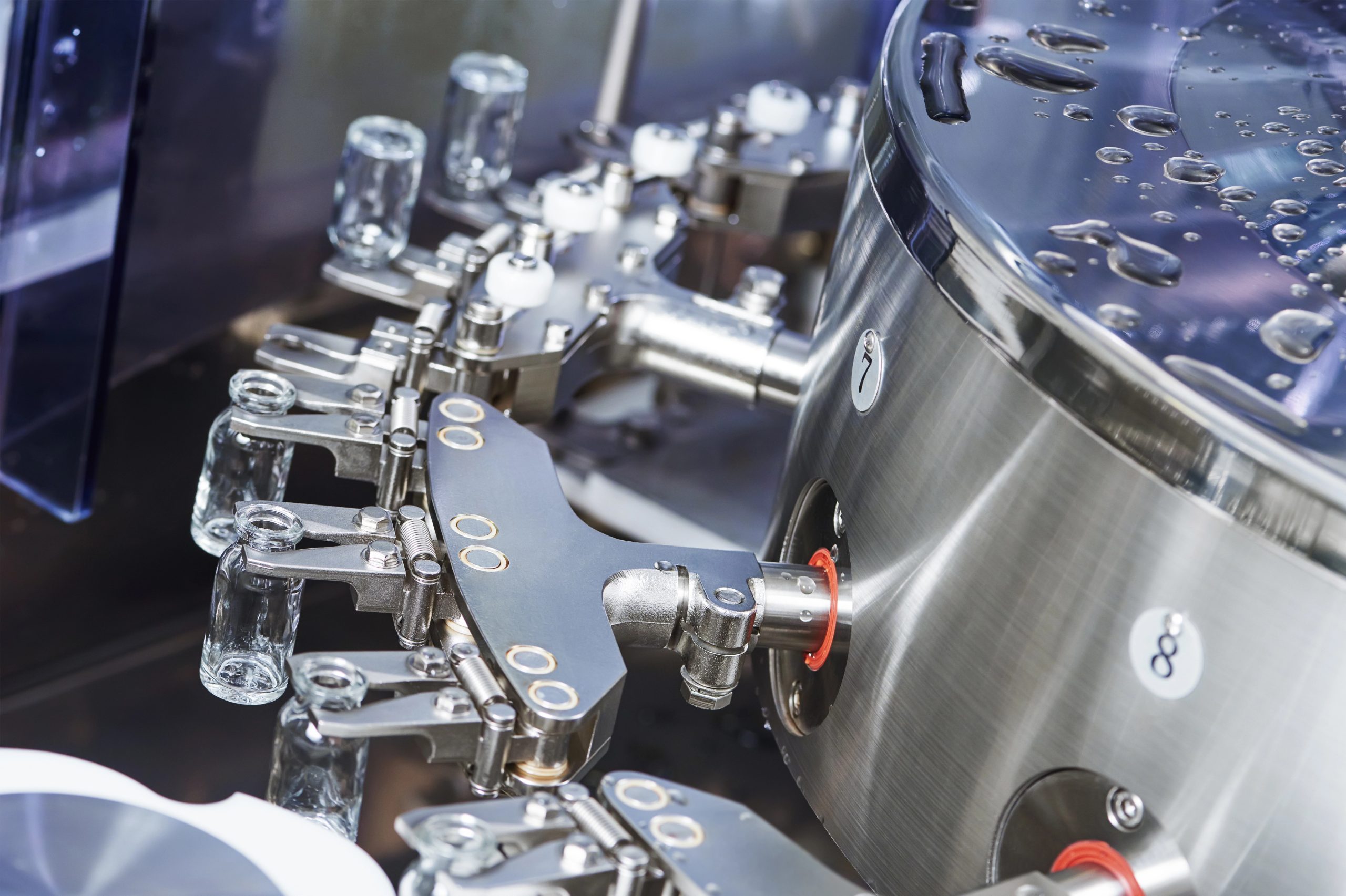
In addition to cleanrooms, vaccine production requires advanced systems and equipment to ensure precision. Filtration systems play a role in purifying components, while automated filling lines streamline operations, minimizing human error and reducing risks. To address changing production demands, facilities must incorporate modular layouts that enable scalable operations. Furthermore, advanced monitoring systems ensure compliance with global safety standards, providing real-time oversight and facilitating smooth workflows.
- Cleanrooms: Designed to control contamination and meet sterilization standards for air quality, temperature, and humidity.
- Filtration Systems: Used for purifying vaccine components.
- Automated Filling Lines: Streamline processes, minimizing errors and contamination risks.
- Modular Layouts: Allow facilities to adapt to increased production demands.
- Advanced Monitoring Systems: Ensure compliance with global safety and quality standards.
 Image Source
Technology Integration
Technology is always advancing vaccine production. As automated systems have evolved, it has become clear that they reduce mistakes and speed up processes. Automation, in conjunction with real-time monitoring tools, ensures vaccines maintain quality while meeting global quantity demands.
Equipment innovation is constant. Every component involved in the manufacturing process needs to be made of the most practical materials and boast efficient design. Automated loading equipment, such as vial loading trays, is no exception. Proper trays must feature smooth, non-porous surfaces that resist corrosion, making them easier to clean and maintain.
Technologies like Manufacturing Execution Systems (MES) help manage data and keep track of every step in production. These systems improve efficiency and ensure manufacturers meet regulations. Some manufacturers also use artificial intelligence (AI) to predict equipment issues and optimize production schedules, saving time and money.
Capacity Planning
Scaling up production to meet sudden increases in vaccine demand is a significant challenge. Tools like capacity planning software help identify bottlenecks and find ways to improve production without sacrificing quality. Flexible workflows and advanced simulation software allow manufacturers to adjust production lines quickly, ensuring they can meet urgent needs during health crises.
Quality and Safety Measures
Quality Control Systems
Quality control is one of the most critical aspects of vaccine production. Testing for sterility, strength, and safety ensures that vaccines meet high standards. Automated tools, like high-performance liquid chromatography (HPLC), make testing faster and more accurate.
Continuous monitoring helps catch potential problems early, reduce waste, and ensure that only safe products reach the public. Regular audits and data-driven adjustments further strengthen quality control processes, building trust in vaccine safety.
Regulatory Compliance
Following Good Manufacturing Practices (GMP) is essential for vaccine production. These rules, set by agencies like the FDA and EMA, cover everything from facility design to employee training.
- Facilities must meet stringent cleanliness and operational standards.
- Staff training programs are required to ensure adherence to safety protocols.
Detailed records are required to show that all steps meet these standards. Digital tools make it easier to keep track of data and prepare for inspections. Regular audits ensure compliance and help manufacturers identify areas for improvement, keeping production running smoothly and safely.
Supply Chain Factors
Raw Material Management
The correct raw materials must be appropriately managed in vaccine production. Reliable suppliers and efficient inventory systems prevent shortages or overstocking that could disrupt production. Many materials, like live virus cultures, require specialized storage conditions like ultra-cold freezers. Advanced storage solutions ensure these sensitive materials remain effective. Manufacturers can reduce delays and keep production processes by collaborating with suppliers to forecast needs.
Cold Chain Infrastructure
Vaccines often need to stay within specific temperature ranges during distribution. This requires a strong cold chain system, including refrigerated storage and transport options. Sensors and data loggers track temperatures in real time to prevent spoilage.
High-performance vial trays help maintain vaccine quality during storage and transport. Their robust materials ensure durability under extreme conditions, from ultra-cold storage to long-distance distribution networks. These trays also feature stackable designs that optimize space and improve handling efficiency.
New technologies, such as blockchain, are improving transparency and accountability in the supply chain. These tools ensure that vaccines remain safe and effective from production to delivery.
Operational Considerations
Workforce Management
A skilled workforce trained in safety protocols and equipment handling is essential for vaccine production.
- Employees must stay updated on the latest technologies and regulatory requirements.
- Cross-training improves flexibility and ensures smooth operations during staffing changes.
- Digital tools like augmented reality (AR) expedite training without impacting production schedules.
A well-prepared workforce ensures vaccine production processes remain efficient and resilient.
Risk Management
Avoiding production disruptions involves managing risk. Regular assessments help identify potential issues, such as equipment failures or supply chain delays. Contingency plans ensure that production can continue during unexpected challenges.
Collaborating with reliable suppliers for specialized equipment helps mitigate risks in the manufacturing cycle. Every ally must meet strict regulatory standards and maintain high-performance quality, ensuring long-term reliability in production processes. Partnering with experienced stakeholders strengthens risk management strategies.
Enhance Your Mission with Chemtech
Large-scale vaccine production is a complex process that requires careful infrastructure, technology, quality control, and coordination of supply chain management. By focusing on these key areas, manufacturers can meet global healthcare demands with safe and effective vaccines.
Improving these processes boosts production capabilities and builds public trust in vaccine reliability. With ongoing innovation and collaboration, the industry is better equipped to handle future healthcare challenges and deliver life-saving vaccines to those who need them most.
Ready to enhance your vaccine production capabilities? Contact Chemtech to explore tailored solutions for vaccine manufacturing solutions. Reach out today!
About Author

Neel Daphtary
Neel Daphtary is the President of Chemtech International. He oversees sales, distribution and business development. He excels at helping pharmaceutical and manufacturing firms find the right processes and environmental solutions. Neel is an active member of Global Philadelphia, an organization committed to community development in PA.

Have Any Questions Or Comments?
Call Us For Help!
888-709-8070