
You can’t talk about successful aquaculture without talking about water.
In fact, everything in fish and shrimp farming starts, and often ends, with water quality. From growth rates and feed efficiency to disease prevention and product yield, it all depends on maintaining the right balance.
Poor conditions don’t just stunt development. They invite disease, increase mortality, and can lead to regulatory violations that put an entire operation at risk. When water goes bad, the farm follows.
That’s why monitoring and managing water quality in fish farming and shrimp farming isn’t optional; it’s foundational.
At ChemTech, we help support sustainable aquaculture with products that help producers stay ahead of water issues, not just react to them.
👉 See how ChemTech’s aquaculture and water treatment solutions can be used at all scales – from small industrial sites to municipalities.
What Defines Water Quality in Aquaculture?
When we talk about water quality in shrimp or fish farming, we’re referring to the physical and chemical conditions that support aquatic health, right?
It’s not just one number, it’s more about a collection of the right factors that include:
- pH: Affects oxygen availability and biological function
- Dissolved oxygen (DO): Vital for respiration and digestion
- Ammonia and nitrite levels: Toxic even at low concentrations
- Temperature: Dictates metabolism, feeding, and stress response
- Salinity: Especially critical in shrimp ponds
Any one of these being off can trigger chain reactions that result in sluggish growth, reduced immunity, or disease outbreaks.
Low oxygen? Shrimp stop feeding. High ammonia? Fish stop growing.
That’s why daily monitoring and proactive treatment are essential. Manual testing helps, but conditions can change fast, especially in dense or high-yield operations.
To keep everything in balance, many producers turn to water-conditioning products like CHM AQT 5B, designed specifically for aquaculture environments.

Its scientifically blended bacterial culture helps stabilize key parameters by digesting excess waste in shrimp and fish ponds, while also protecting them against pathogens.
But have you wondered why it is difficult to maintain water quality? Let’s have a quick look at that aspect too.
Common Challenges in Maintaining Water Quality in Fish & Shrimp Farming
If you’re involved in fish rearing or fish farming, you would know that it doesn’t take much for water to go off-balance. Aquaculture systems, especially intensive ones, are vulnerable to a mix of internal and external pressures, such as
- Waste buildup from uneaten feed and animal excreta leads to increased ammonia and bacterial load.
- Overstocking or overfeeding adds to the stresses of the environment and accelerates waste production.
- Stagnant water or poor circulation lowers oxygen and creates dead zones.
- Runoff from nearby land, including fertilizers or pollutants, can change the chemistry of the entire water body overnight.
What makes these issues harder is that they build slowly, and you come to know about them only when something breaks.
It could look something like this: One day, the fish stop feeding. A few days later, you’re dealing with mortality and cloudy water.
These aren’t just “dirty water” problems. They’re biological breakdowns.
That’s why more producers are looking beyond dilution and filtration. The goal isn’t just to remove waste but also to break it down at the microbial level.
And how do you do that?
4 Best Practices for Managing Water Quality in Fish Farming
There are some tried and tested strategies you can use to maintain high-quality water in your pond or aquarium:
1. Routine Water Testing
Check your basics every day, as pH, ammonia, nitrites, and dissolved oxygen need constant tracking. Early detection can help you with a quick fix rather than falling into the trap of a major loss.
Digital probes, test strips, or lab support, whatever your system is, make water checks part of the daily workflow.
Check out our full range of water test kits for checking oxygen levels, hydrogen peroxide and other parameters
 2. Sludge & Organic Waste Control
 2. Sludge & Organic Waste Control
In the aquaculture industry, waste is unavoidable.
But the real game is in controlling it before it overwhelms the system. That’s where bioaugmentation comes in.
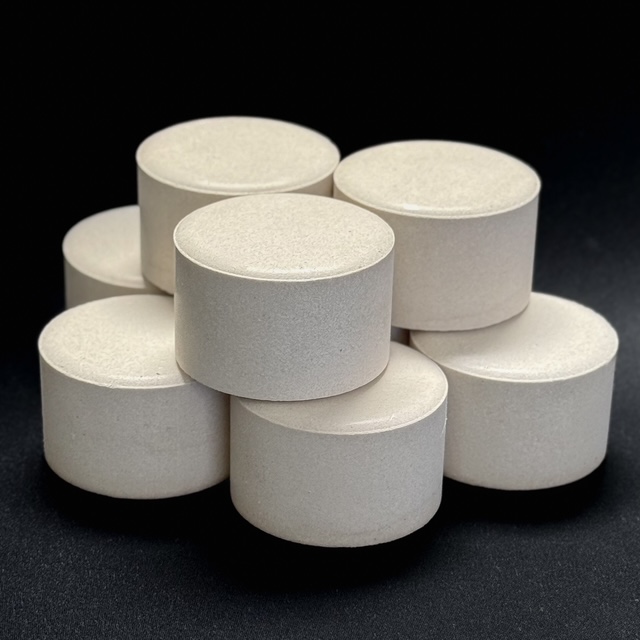
Products like Chemtech Aqua Tablet introduce beneficial bacteria that break down uneaten feed, feces, and organic waste. This reduces ammonia spikes, improves clarity, and supports stronger biological performance.
3. Aeration & Circulation Systems
Oxygen is life, especially in warmer climates or crowded systems. Good circulation prevents stratification and keeps dissolved oxygen levels where they need to be.
Surface agitators, paddle wheels, and bottom aerators all play a role, and thus it’s recommended not to overlook their impact on system health.
4. Proactive Odor Management
Bad smells are often a warning sign of deeper issues like anaerobic zones, sludge buildup, or waste decay.
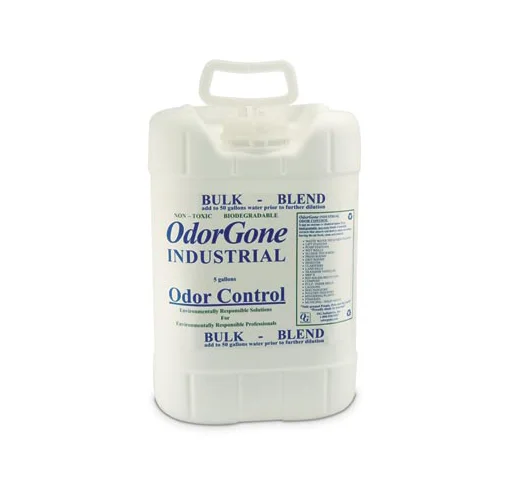
Integrating odor control solutions as part of routine water care makes sense, especially for high-density farms where conditions change fast. Odorgone Industrial, our biodegradable solution, is super-effective in neutralizing practically every variety of putrid smell emanating from your fishery or pond, with zero harm to any organism.
ChemTech’s Solutions for Water Quality in Aquaculture
At the center of ChemTech’s aquaculture offering is CHM AQT 5B, a biologically active formula built for real-world fish and shrimp farming conditions.
This product doesn’t just treat symptoms, it improves the system from the inside out.
Here’s how it works:
- Introduces specialized microbial strains into the water column
- Actively digests organic waste, uneaten feed, and excreta
- Reduces ammonia levels, helping stabilize water chemistry
- Improves oxygen availability by lowering biological demand
- Supports fish and shrimp gut health indirectly by reducing environmental stress
The benefits?
- Better feed conversion, because animals are spending energy on growth, not survival
- Lower mortality, especially during vulnerable grow-out periods
- Cleaner water for a longer time, with fewer interventions
CHM AQT 5B is part of ChemTech’s broader wastewater treatment portfolio, supporting not just aquaculture but also food production, agriculture, and industrial systems where organic load threatens performance.
Environmental and Business Impacts of Water Quality
Maintaining water quality in fish farming and shrimp farming isn’t just about survival, but it is also about sustainability and profitability. What kind of impact can improving water quality have on your business and its surroundings?
Environmental impact:
- Reduced discharge of nitrogen and phosphorus into nearby waterways
- Cleaner effluent, helping farms stay in line with environmental regulations
- Less odor, improving relationships with nearby communities
Business impact:
- Improved yield from healthier, faster-growing stock
- Lower disease pressure, reducing the need for antibiotics or emergency treatment
- More consistent performance, making forecasting and harvests easier
- Fewer complaints and inspections, especially in coastal or peri-urban settings
There is no doubt that investment in prevention is always better than poor quality water that might cause more damage to your business.
Chemtech International is here to help. With solutions like Aqua Tablet and Odorgone Industrial, we make it easier to manage your daily operations. So, whether you’re managing a large shrimp farm or a small fish operation, feel free to get in touch for a chat about how to keep your systems productive, efficient, and compliant, without any guesswork.
About Author

Neel Daphtary
Neel Daphtary is the President of Chemtech International. He oversees sales, distribution and business development. He excels at helping pharmaceutical and manufacturing firms find the right processes and environmental solutions. Neel is an active member of Global Philadelphia, an organization committed to community development in PA.

Have Any Questions Or Comments?
Call Us For Help!
888-709-8070