
Pretreating wastewater is a global trend — and a good business move. Currently, only 58% of the world’s domestic wastewater gets safe treatment, but the United Nations aims to cut the proportion of untreated water in half by 2030.
Industrial wastewater pretreatment systems lower operating costs, ensure legal compliance, and protect natural resources. Learn why pretreatment is important for your business.
Key Takeaways:
- How industrial wastewater pretreatment works depends on the needs of the facility and the relevant regulations.
- Biological agents are common, cost-effective tools in the pretreatment of wastewater.
- Pretreatment can be necessary to avoid contamination of the environment and damage to publicly owned water-treatment systems.
What Is Industrial Wastewater Pretreatment?
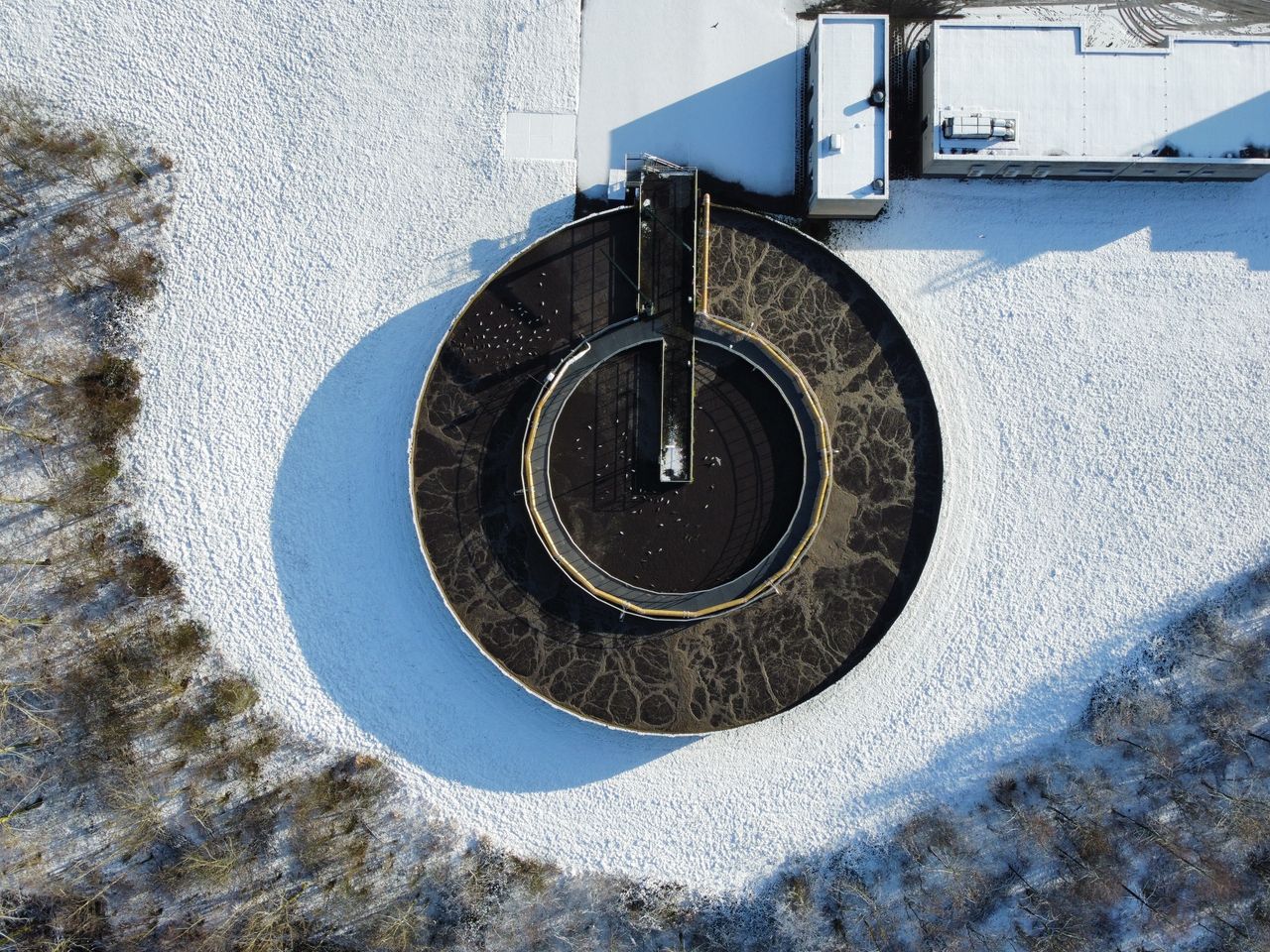
Industrial wastewater pretreatment is any process that cleans water before it exits an industrial facility. That facility could be a farm, factory, or any other plant that uses or contaminates water. The pretreated water might exit into an open waterway, but more commonly it passes into a publicly owned treatment system, such as a city sewer network.
One of the simplest examples of wastewater pretreatment is a privately owned reservoir. Ponds or lagoons can reduce suspended solids in wastewater by allowing them to settle to the bottom as sediment.
Contemporary industrial facilities often need more complex pretreatment systems. The required features depend mainly on three factors:
- Characteristics of the wastewater
- Capacity of the publicly owned treatment system
- Environmental regulations and/or internal water quality goals
Developing or improving a pretreatment setup involves water testing and systems analysis. The results of these tests, combined with water-treatment knowledge and expertise, determine the ideal system for any given facility.
How Does Industrial Water Pretreatment Work?
Wastewater pretreatment typically combines a variety of methods. Each technique has advantages and disadvantages, making pretreatment systems design a complex, case-by-case process.
Chemical Industrial Wastewater Pretreatment
Facilities might need to add chemicals to wastewater for a variety of reasons. Two of the most common examples are to reduce suspended solids and to balance pH.
Physical Pretreatment
Physical pretreatment is common across multiple industries. This category includes any type of settling pond or filter. Other methods often combine with physical pretreatment to accelerate treatment and lower costs.
Organic/Biological Pretreatment
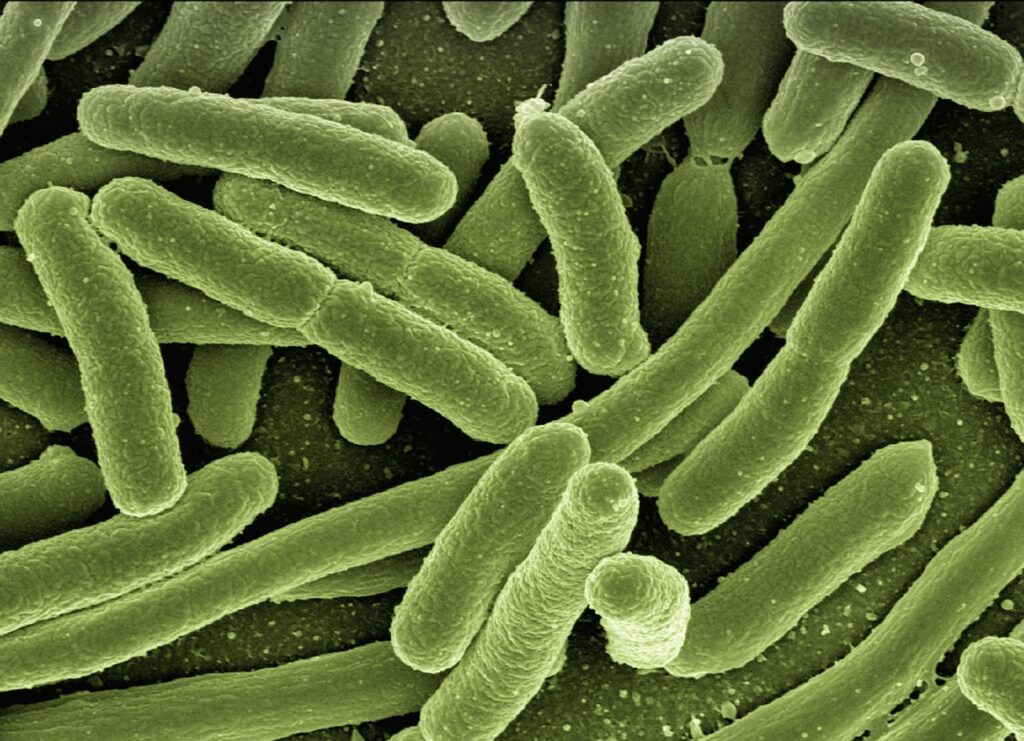
Biological agents are a common feature in modern wastewater pretreatment. There are several advantages to using bacteria treatments:
- Safe for worker contact, in contrast with many chemical treatment options
- High-performing in comparison to their overall cost
- Relatively easy to implement, as they require no special equipment
- Effective in removing or reducing a variety of contaminants
Bacteria have a few limitations as well. For example, anaerobic fermentation in lagoons slows down in the winter.
Example of a Basic Industrial Wastewater Pretreatment System
How pretreatment works differs widely across industries. For example, a farm that produces sewage can handle its wastewater differently than a paper industry facility that produces bleaching or wood-pulp waste.
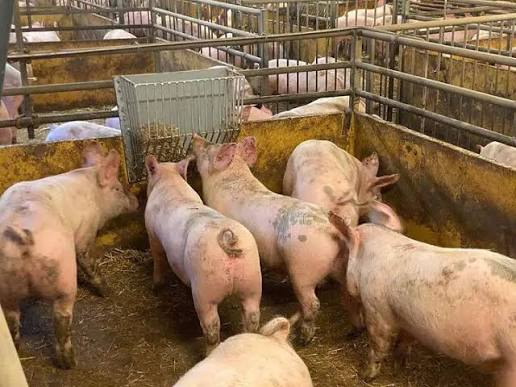
Farms in many rural communities remove solids from sewage by running it off into an anaerobic or facultative lagoon. This is a large, deep, bioactive pond that works to reduce contaminants by anaerobic (no-oxygen) fermentation.

This simple industrial wastewater pretreatment system takes advantage of the large amount of land available on the farm. It can lower energy costs and reduce the ammonia content of the wastewater that eventually re-enters municipal sewage or irrigation systems.
How Do Facilities Measure Pretreatment Effectiveness?
Facilities can measure the effectiveness of their pretreatment system directly and indirectly. Common metrics to track include:
- Reduction of labor costs from dredging sediment, cleaning lines, and maintaining equipment
- Throughput and uptime of systems
- Reduction of odor, degradation of solids, and avoidance of corrosion
- Water quality improvements versus total system costs and pretreatment times
- Degree of compliance with internal standards or government regulations
An effective industrial pretreatment system meets a facility’s goals while minimizing costs.
What Types of Industries Use Pretreatment?
Most facilities that use water must treat it in some way before releasing it back into a sewer system or waterway. This includes:
- Petroleum extraction and other mining
- Chemical and pharmaceutical manufacturing
- Automotive and other industrial manufacturing
- Farms, feedlots, and food processing plants
- Paper, leather, and textile operations
These industries use and contaminate large quantities of water making products or cleaning equipment, or as part of an extraction process. Containing, treating, and potentially reusing the wastewater is good for the environment and, often, the company’s bottom line.
Is Wastewater Pretreatment Legally Regulated?
Industrial pretreatment is regulated in many countries’ clean-water laws, such as the Clean Water Act in the United States. These laws exist to prevent environmental contamination and other issues, such as:
- Corrosion or blockage of sewage lines, lift stations, and other infrastructure
- Explosions from gas buildup, sewage line ruptures, and generation of hazardous fumes
- Excessive sediment/sludge generation (and fewer disposal options due to the presence of heavy metals or other toxic substances)
- Overflow into open waterways during storms or periods of high waste output
Laws often set requirements for a pretreatment system. However, every area’s sewer system is different, and therefore so are the regulations. For example, a publicly owned treatment system in a rural region might have less capacity to accept industrial wastewater than a system near a major city.
This results in a complex regulatory environment to govern industrial wastewater pretreatment design. Facilities need to comply with baseline federal requirements, but many local or regional governments also set and enforce their own specific regulations.

How Do You Design an Industrial Wastewater Pretreatment System That Works?
Wastewater pretreatment is important for businesses in many industries. The right treatment agents could extend the life of your equipment, help you avoid fines, and even lower total water consumption — all with reasonable initial and ongoing costs.
Contact us to set up an appointment today to discuss your industrial wastewater pretreatment needs.
About Author

Neel Daphtary
Neel Daphtary is the President of Chemtech International. He oversees sales, distribution and business development. He excels at helping pharmaceutical and manufacturing firms find the right processes and environmental solutions. Neel is an active member of Global Philadelphia, an organization committed to community development in PA.

Have Any Questions Or Comments?
Call Us For Help!
888-709-8070