
Our rivers, lakes, and groundwater are under constant pressure. Every single day, a massive, invisible cocktail of degradable waste and non-degradable waste pours into our wastewater systems.
If we manage these wastes incorrectly, the consequences are immediate, such as declines in water quality, suffocation of fish populations, and our treatment plants becoming overwhelmed.
Understanding the difference between biodegradable waste and its more persistent, “immortal” counterparts isn’t just a technicality; it’s the backbone of modern water safety.
In this guide, we’ll break down where these materials come from, how they act once they hit the water, and how we actually get rid of them to keep our taps running clean.
What Is Degradable (Biodegradable) Waste in Water Systems?
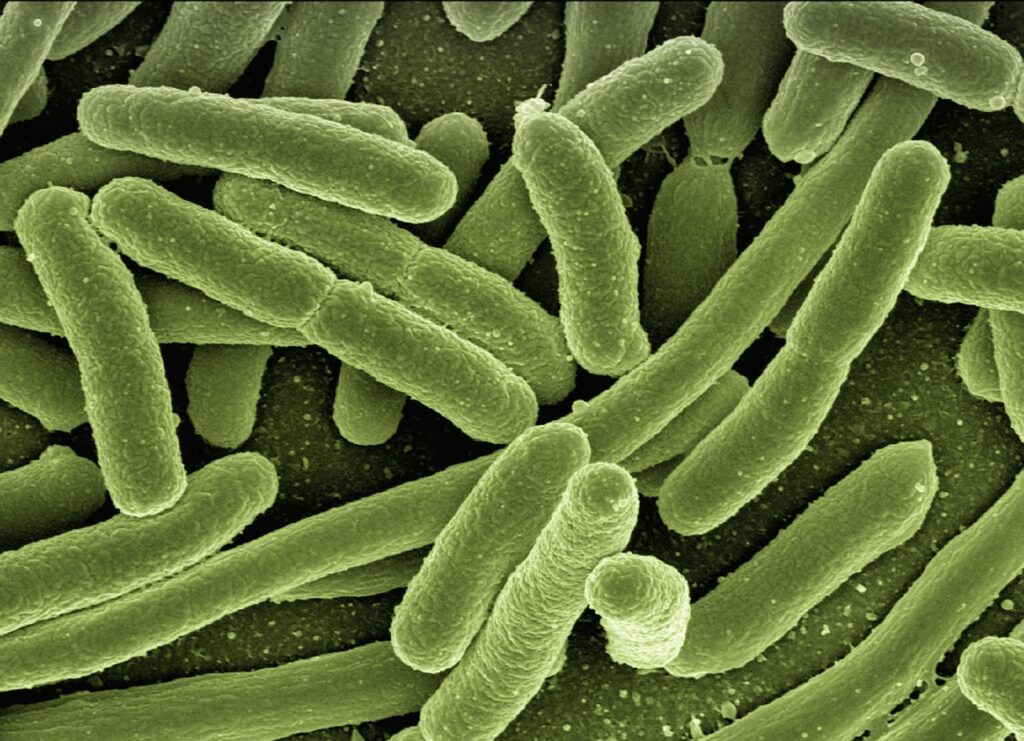
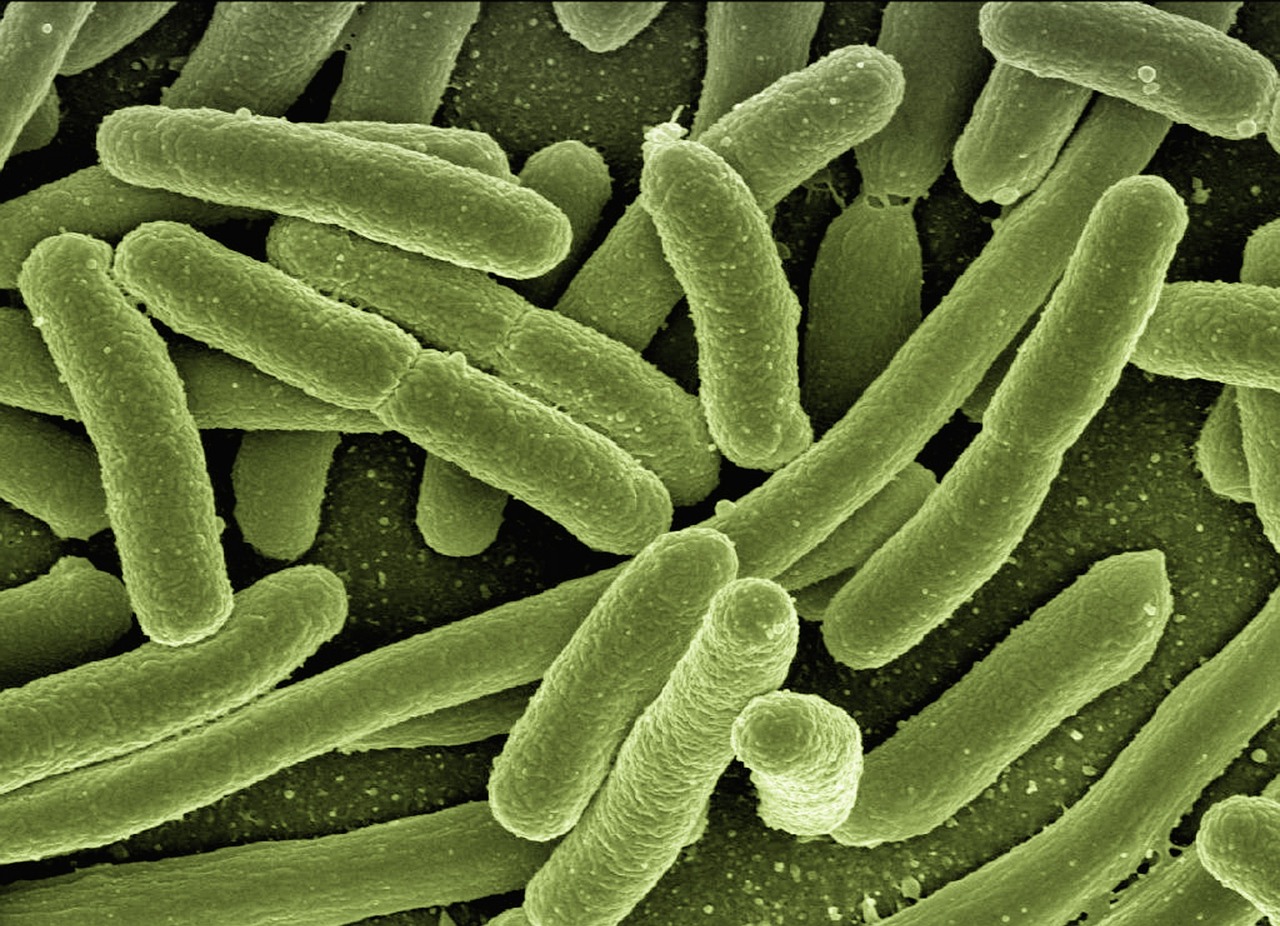
When we talk about degradable waste, we’re essentially talking about nature’s leftovers. Often called biodegradable waste, these are organic materials that bacteria and fungi actually want to eat.
In a healthy water system, microbes go to work on this matter, breaking it down into basic components like water and carbon dioxide. It’s a natural recycling loop.
However, there’s a catch.
These materials are “oxygen-hungry.” If you dump too much biodegradable waste into a pond or stream at once, the microbes work so hard to eat it that they suck all the dissolved oxygen out of the water.
The result? A dead zone where nothing else can breathe. It’s a delicate balance of nutrient loading that defines whether a water body is thriving or dying.
Common Sources of Biodegradable Waste in Water
Natural waste from biological processes is everywhere.
Domestic sewage: Think of everything from your kitchen sink or bathroom — food scraps and human waste are prime examples. In industrial parlance, this is called FOG (Fats, Oils & Grease).
MICROBE LIFT GT FOR FOG TREATMENT

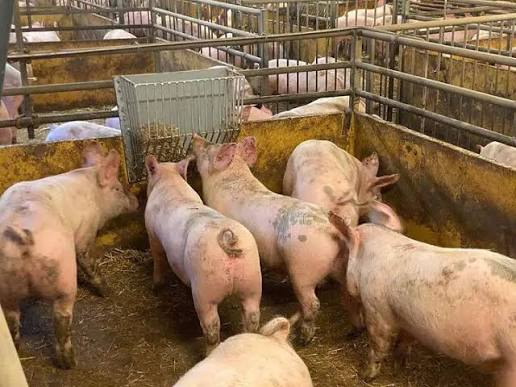
Agricultural runoff: When it rains, manure and leftover crop bits wash off the fields and into the local creek.

Food processing wastewater: Factories that handle meat, dairy, or veggies produce a high-strength organic “soup” that needs heavy treatment.
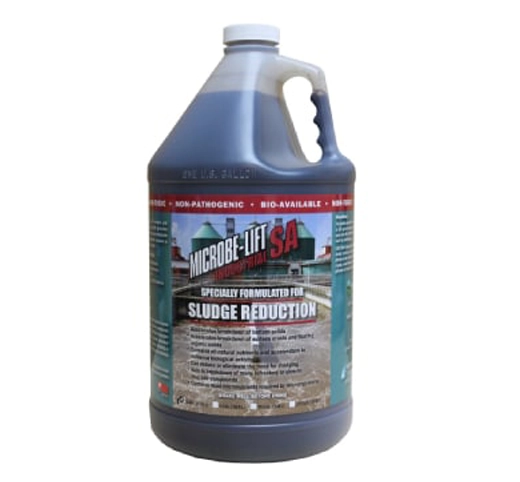
CHM-205 FOR FOOD PROCESSING PLANTS

What Is Non-Degradable Waste in Water Systems?
Then there’s the stuff that just won’t quit. Non-degradable waste is composed of materials that microbes simply cannot digest.
There is no biological “off-switch” for these substances. Because they lack a chemical structure that natural enzymes can attack, they persist for decades—or even centuries—as permanent pollutants in our aquifers.
The real danger here is that non-degradable waste doesn’t disappear; it just changes shape. A plastic bottle might break into a million tiny microplastics, but the chemical threat remains exactly the same.
These pollutants often bioaccumulate, meaning they climb up the food chain from tiny organisms to the fish on your dinner plate. And this isn’t just an environmental eyesore but a long-term health risk that requires advanced engineering to solve.
Common Sources of Non-Degradable Waste in Water
There’s a lot more of these than you’d believe:
Plastics and microplastics: Everything from industrial pellets to the fibers shed by synthetic clothing in your washing machine.
Heavy metals: Persistent toxins like lead, mercury, and cadmium that usually leak from industrial sites.
Synthetic chemicals and pesticides: Lab-created formulas designed to stay “tough” and resist breaking down in the sun or rain.
Pharmaceutical residue: Modern medicines that our bodies don’t fully absorb, which then end up in the sewage system.
Industrial dyes and solvents: Complex chemicals used in manufacturing that can stain and poison a water table indefinitely.
Now that you know what degradable and non-degradable waste are, let’s discover how they behave in water.
Key Differences Between Degradable and Non-Degradable Waste in Water
The main difference comes down to time and biology. Biodegradable waste is on a timer; it will eventually be reclaimed by the earth if given enough oxygen.
On the other hand, non-degradable waste has no such expiration date. It is a persistent ghost in the machine.
From a management perspective, the two couldn’t be more different.
With degradable matter, your biggest worry is “BOD” (Biochemical Oxygen Demand) – basically, making sure you don’t suffocate the fish. With non-degradable matter, the worry is toxicity and accumulation.
One requires us to feed the right bacteria; the other requires us to use high-tech filters and chemical reactions to physically “trap” the invaders. Even then, there’s no way to “clean up” these pollutants – the best you can do is “contain” them or prevent spillage altogether with spill containment and secondary containment products.
Let’s find out in the following paragraphs about the disposal and treatment methods of biodegradable and non-biodegradable waste in water.
Disposal and Treatment Methods for Biodegradable Waste in Water
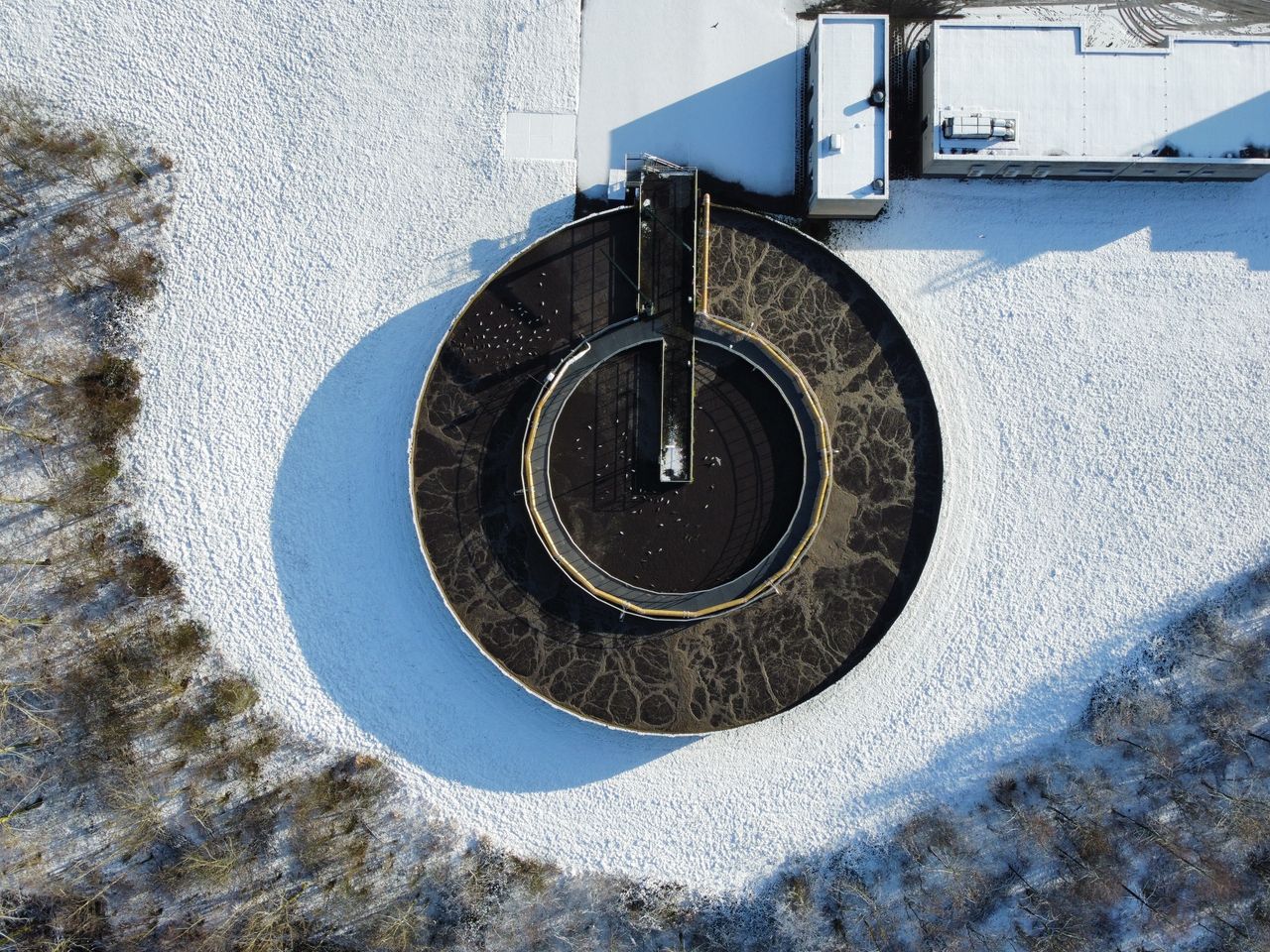
We treat biodegradable waste by essentially putting nature on fast-forward. In a typical treatment plant, we use “secondary treatment” to create the perfect environment for bacteria. By pumping huge amounts of air into the water—a process called activated sludge—we let microbes feast on the degradable waste until it’s gone.
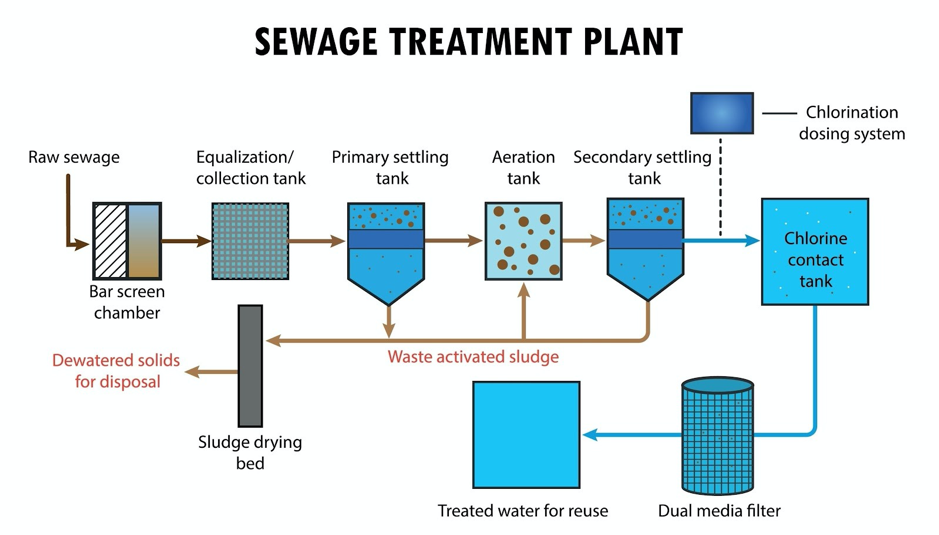
But we can go further. Many modern plants use anaerobic digestion, where waste is broken down in sealed tanks to produce biogas for energy.
We’re also getting better at “nutrient recovery,” turning that leftover organic sludge into high-grade fertilizers. Instead of just disposing off waste, we’re starting to see it as a resource that can be looped back into the farm.
Disposal and Treatment Methods for Non-Degradable Waste in Water
You can’t “starve” a heavy metal or a plastic bead out of the water. Treatment for non-degradable waste is a much more mechanical and chemical fight. It starts with physical barriers—fine screens that catch the plastic before it moves downstream.
For the stuff we can’t see, like dissolved chemicals or lead, we use chemical precipitation to turn the toxins into solids that we can then skim off. High-end pharmaceutical purifying facilities go even further with Reverse Osmosis (RO) or activated carbon filters, which act like a molecular sieve.
Once we’ve captured these persistent pollutants, they don’t go back to the earth; they are sent to hazardous waste landfills or specialized containment sites to ensure they never touch the water cycle again.
Manage Degradable and Non-Degradable Waste for Cleaner Water with Chemtech
At the end of the day, keeping our water clean means knowing exactly what you’re up against.
Whether it’s managing the oxygen-heavy load of degradable waste or the persistent threat of non-degradable waste, the strategy has to be precise. You can’t treat a chemical spill like you treat domestic sewage.
At Chemtech, we’re focused on the smart integration of these methods. By using biological systems for biodegradable waste and cutting-edge filtration for non-degradables, we can ensure our water resources stay resilient for the next generation. Clean water isn’t an accident; it’s the result of informed waste handling.
About Author

Neel Daphtary
Neel Daphtary is the President of Chemtech International. He oversees sales, distribution and business development. He excels at helping pharmaceutical and manufacturing firms find the right processes and environmental solutions. Neel is an active member of Global Philadelphia, an organization committed to community development in PA.

Have Any Questions Or Comments?
Call Us For Help!
888-709-8070