
In food processing, getting materials from one place to another isn’t only about logistics; it’s also a lot to do with safety, efficiency, and product quality.
Whether you’re moving raw produce or packaging finished goods, food material handling plays a crucial role in every step of the process.
If you have been in the industry, you would know that it’s more than forklifts and pallets and more about how the food industry ensures clean handling, minimizes waste, and meets compliance standards, and all while keeping up with demand.
In this blog, I’ll walk you through what material handling means in food processing, why it’s vital to your operations, how it’s evolving, and how to choose the right tools for the job.
📌 If you’re looking for food-safe, GMP-ready equipment, Chemtech’s Material Handling Products are designed to support the high standards of modern food operations.
What Is Material Handling in Food Processing?
At its core, material handling in food processing involves the movement, storage, protection, and control of ingredients and finished products from the moment they enter a facility to the time they exit.
But it’s more than moving boxes.
From farm to fork, handling is an essential part of every phase, starting from unloading raw materials, transferring batches to mixing units, storing packaged goods, and even disposing of waste.
Poor handling at any of these stages can result in contamination, spoilage, or worse—your production may slow down dramatically.
Other than handling, even packaging plays an important role! More than a branding purpose, good packaging makes sure that your perishable goods transit safely, ensures protection against contamination, and facilitates stackable, clean storage.
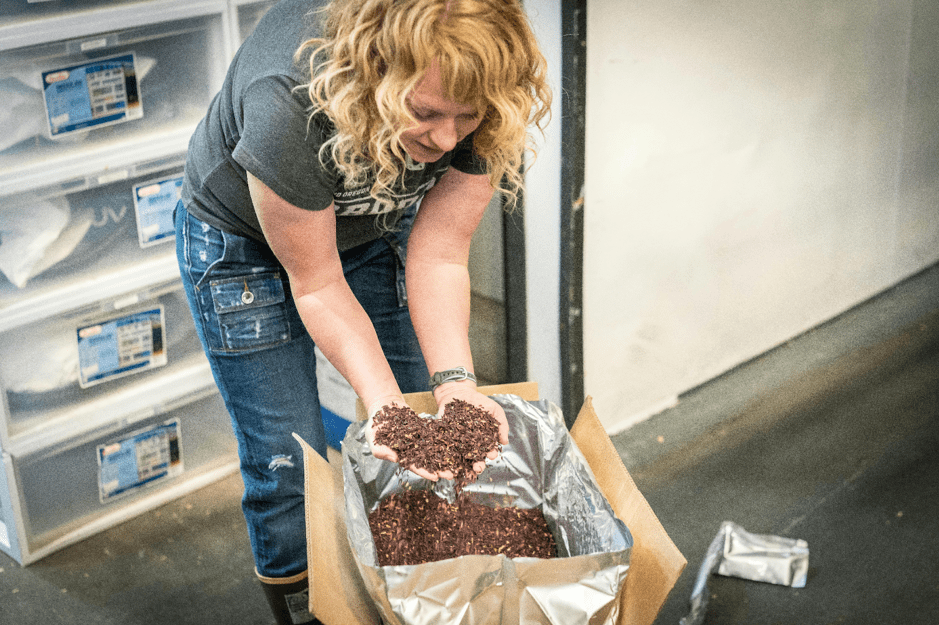 Whether it’s manual (with trays, bins, and trolleys) or automated (using robotics and conveyor belts), the approach must align with food safety standards.
To understand how critical clean handling is, read our guide on how to keep food and beverage products pure – with the best practices that safeguard the product’s integrity!
Why Is Material Handling So Important in the Food Industry?
A simple reason: material handling means way more than what you can see. When you have a poorly designed material handling system, it can cost you time, health and safety violations, wasted products, and frustrated customers.
Let’s see how poor material design, storage and handling affects each of the following aspects in the food industry:
- Food Safety & Hygiene
We all know that contamination is one of the biggest threats in food production. But when you use sanitary equipment, maintain separation of allergens, and follow strict cleaning protocols while material handling, you can avoid all of these, which also helps you gain consumer trust.
- Efficiency & Throughput
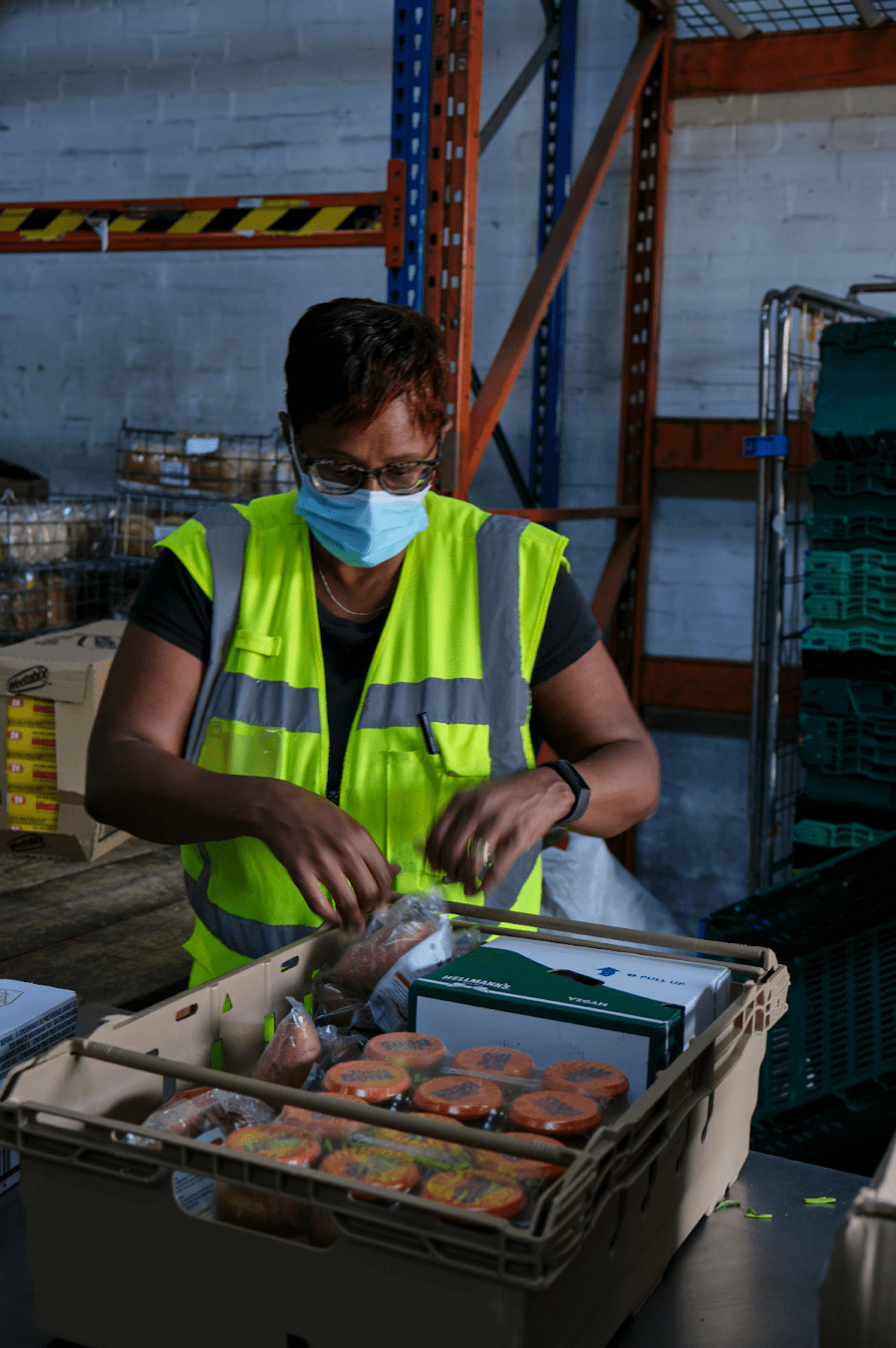 Another reason well-handled materials make so much difference is that they eliminate all the potential hurdles. Having conveyorized systems and ergonomic trays helps you reduce downtime and supports your team to do more with less movement.
- Cost Savings
When you handle your material well, you will have less waste, fewer damaged goods, and reduced manual labor, which all contribute to a leaner operation. Moreover, smart equipment choices pay off quickly by cutting rework and improving line efficiency.
- Product Quality & Customer Satisfaction
If you are dealing with delicate items like baked goods or soft produce, well-managed material handling helps you preserve texture, shape, and taste. And when your product quality is consistent over a period of time, it helps you build a brand reputation.
- Sustainability
Last but not least, handling directly impacts your environmental footprint. From reducing packaging waste to minimizing energy usage, the right system contributes to greener practices.
Want to see how the best teams do it? We’ve put together some best practices for minimizing waste and maximizing productivity!
Material Handling in Modern Food Plants
Now, there are many ways to handle produce as well as tools in modern food plants. These could be traditional, automated or modern, data-driven systems.
Traditional Methods
In older or smaller facilities, material handling often involves manual labor, forklifts, and basic conveyor belts. Although these methods might look simple and affordable upfront, they are
- Labor-intensive
- Difficult to sanitize
- Prone to human error
- Inflexible during scale-up
These limitations can slow down your operations and increase hygiene risks.
Automation and Robotics
Food plants with larger operations or those with GMP requirements are adopting the latest material handling technologies such as
- AS/RS systems (Automated Storage & Retrieval Systems)
- AGVs (Automated Guided Vehicles)
- Robotic arms for picking, packing, or palletizing
And by leveraging all these technologies, food plants can achieve
- Faster throughput
- Better sanitation control
- Fewer labor dependencies
Reliable performance in cold or wet environments.
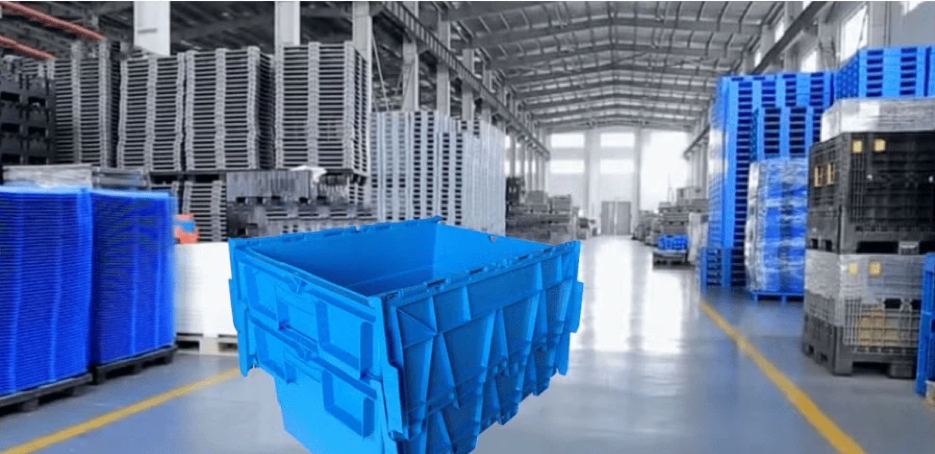
The good news is, you can find a range of reusable containers designed for hygiene, modularity, and durability while supporting material handling aligned with automations and robotics.
Smart Systems
Today, the Internet of Things (IoT) is not limited to the tech or electronics industries. It’s also transforming how food plants manage material flow. You get sensors that track movement, detect clogs, and alert teams to sanitation needs.
Moreover, with predictive maintenance and AI-powered scheduling, you can also avoid unplanned downtime in your plants. And this improves product traceability and supports regulatory compliance.
How to Choose the Right Material Handling Equipment
If you have made up your mind about getting the right material handling equipment, remember that it’s more than just technical specifications and measuring dimensions.
Here’s what you should really consider while choosing the right tools, boxes and machines:
- Product type: This relates to the structural constituency of food you want to handle—liquids, powders, fragile solids, allergen-prone items, etc.
- Volume and speed: Your batch size and daily output volume influences the size and nature of equipment.
- Facility layout: Make sure you plan for tight spaces, multi-floor operations, or cold storage.
- Sanitation requirements: Does the machine have food-contact safe materials and easy cleanability?
- Modularity: Can it scale as you grow?
When you have answers to these questions, you can make better decisions about the kind of materials and equipment you should buy.
Overcoming Challenges and Preparing for the Future
More than ever before, modern food processors face real-world challenges like working in cold or wet environments, handling fragile items like pastries and soft gels, and managing allergen-sensitive products without cross-contamination.
And if you have outdated facility layouts, this material flow can quickly become inefficient.
The good news is, you can use smart solutions such as these to turn around the situation:
- Vertical lifts help maximize space in tight production zones
- Modular trays support flexible, multi-use handling
- Cold-resistant materials prevent warping and mold in low-temperature areas
Remember, to stay competitive, you don’t just need better tools—you need to build better teams too. Encouraging upskilling in your staff to work with semi-automated systems and collaborative robots (cobots) can improve both safety and output.
And when this gets combined with strong SOPs and regular hygiene inspections, the result is a cleaner, more efficient plant.
The days aren’t far when more plants adopt
- AI-powered tools for optimizing material flow and inventory
- IoT-enabled tracking for real-time product visibility
- Equipment designed with sustainability baked into the process
Today, material handling in the food industry isn’t just about moving stuff; it’s more about getting a strategic advantage for your brand.
When done right, food material handling ensures compliance, boosts efficiency, protects your brand, and saves costs. As automation and smart technologies become standard, investing in the right equipment is no longer optional.
Explore our material handling products and discover how our food-safe, commercial-grade tools can support safer, smarter, and more scalable operations that are built for the future of food.
About Author

Neel Daphtary
Neel Daphtary is the President of Chemtech International. He oversees sales, distribution and business development. He excels at helping pharmaceutical and manufacturing firms find the right processes and environmental solutions. Neel is an active member of Global Philadelphia, an organization committed to community development in PA.


Have Any Questions Or Comments?
Call Us For Help!
888-709-8070