
In industrial environments, laboratories, and manufacturing facilities, proper storage of hazardous chemicals isn’t just a regulatory requirement—it’s a critical safety measure that protects workers, facilities, and the environment. Improper chemical storage can lead to dangerous reactions, spills, fires, and even explosions, resulting in injuries, property damage, and costly regulatory violations.
This guide explores best practices for hazardous chemical storage, with special attention to containment solutions like spill berms, secondary containment solutions such as spill decks and pallets, and specialized storage containers that form the foundation of any effective chemical management program.
Classification of Hazardous Chemicals
Different chemical classes require different storage approaches. The foundation of proper chemical storage begins with understanding the inherent hazards of the materials you handle. Chemicals are typically classified into several main hazard categories:
Flammable and Combustible Liquids: These include solvents, fuels, and many organic compounds that can ignite under various conditions. Flammables require specialized storage to prevent fire or explosion hazards. They must be stored away from ignition sources and oxidizers.
Corrosives: Strong acids and bases can damage human tissue, equipment, and other chemicals upon contact. Corrosives must be isolated and stored in a way that prevents accidental contact with incompatible materials. They need secondary containment to prevent mixing in case of leaks.
Oxidizers: These substances can intensify fires by providing oxygen even in oxygen-deficient environments and must be kept away from flammable and combustible materials.
Toxic Substances: Exposure to certain substances pose health hazards of various levels of severity to humans and animals. These require secure storage with appropriate ventilation and access controls to protect workers and the immediate neighborhood from harmful vapors.
Reactive Chemicals: Certain compounds may be unstable under certain conditions or react violently with air, water, or other common substances, necessitating specific storage environments. Reactive chemicals often demand specialized storage conditions based on their specific properties and potential hazards.
Understanding these classifications is essential because different chemical types often require separation from one another to prevent dangerous interactions.

Regulatory Framework for Chemical Storage
Chemical storage practices are governed by various regulations designed to protect workers, the public, and the environment:
The Occupational Safety and Health Administration (OSHA) provides regulations including the Hazard Communication Standard (29 CFR 1910.1200) and specific standards for flammable liquids (29 CFR 1910.106).
The Environmental Protection Agency (EPA) regulates chemical storage through the Resource Conservation and Recovery Act (RCRA) and the Comprehensive Environmental Response, Compensation, and Liability Act (CERCLA).
The National Fire Protection Association (NFPA) offers codes and standards like NFPA 30 (Flammable and Combustible Liquids Code) that are often incorporated into local building and fire codes.
Local and state regulations may impose additional requirements specific to your country or region. These regulations establish minimum standards for storage conditions, containment, labeling, and emergency preparedness.
Specialized Chemical Storage Containers & Cabinets
Chemicals can be stored indoors or outdoors depending on where they’re manufactured and how far they’re transported for their final usage.
Indoor Chemical Storage Solutions
Purpose-built cabinets provide secure and standardized storage for various hazardous materials:
Flammable Storage Cabinets feature double-wall construction with fire-resistant materials to contain potential fires. They include self-closing, latching doors with flame arresters to prevent flame propagation and raised sills for spill containment. These cabinets carry prominent labeling for hazard communication and come in various sizes from benchtop models to 90-gallon capacity units, allowing facilities to scale their storage based on inventory needs.
Corrosive Storage Cabinets utilize corrosion-resistant construction, typically polyethylene or specially coated steel. Many designs include separate compartments for acids and bases to prevent dangerous mixing. These cabinets incorporate built-in spill containment sumps and may include ventilation provisions for fume control, protecting both the facility and personnel from corrosive vapors.
Safety Cans and Containers incorporate several important safety features: pressure-relief caps prevent rupture during fire conditions, flame arresters block ignition of contents, and self-closing lids minimize vapor release during normal use. These portable containers come in various sizes and materials specifically designed for different chemical types, providing safe transport and dispensing options.
Outdoor Chemical Storage Solutions
For larger volumes or chemicals that require outdoor storage, specialized solutions offer comprehensive protection:
Chemical Storage Buildings are prefabricated structures with built-in containment features for storing large quantities of hazardous materials. Many include climate control options for temperature-sensitive chemicals, along with fire suppression and monitoring systems for enhanced safety. These buildings feature secure access control to prevent unauthorized entry and are available in non-combustible or fire-rated constructions depending on the hazard level of stored materials.
IBC Containment Units are designed specifically for intermediate bulk containers (IBCs), providing integrated spill containment with sufficient capacity for these large-volume vessels. They include weather protection and security features to safeguard outdoor storage and can be equipped with dispensing stations and pumping equipment for convenient material handling.
Essential Spill Containment Solutions
Essentially two kinds of solutions exist for leak prevention and spill containment – primary and secondary.
Primary Containment: Spill Berms
Spill containment berms provide a critical line of defense against chemical releases, forming a barrier that prevents hazardous materials from spilling, spreading across work areas or entering the environment. They come in 3 flavors:
Permanent Berms: These are constructed from concrete or permanently installed materials. They’re ideal for fixed storage areas and long-term installations, providing the highest level of protection and durability. These berms are often integrated into facility design with drainage systems for managing collected liquids.
Semi-Permanent Berms: These are typically made from durable PVC, polyurethane, or composite materials. They can remain in place for extended periods but can be repositioned when needed. These berms are ideal for medium to long-term storage applications, offering good chemical resistance with moderate setup effort.
Portable/Collapsible Berms: These feature lightweight, flexible materials that can be quickly deployed and easily stored when not in use. They’re perfect for temporary storage, transport areas, or emergency response situations. Many models are designed with drive-through capability for vehicle and equipment access.
Ultra Containment Berm Foam Wall Plus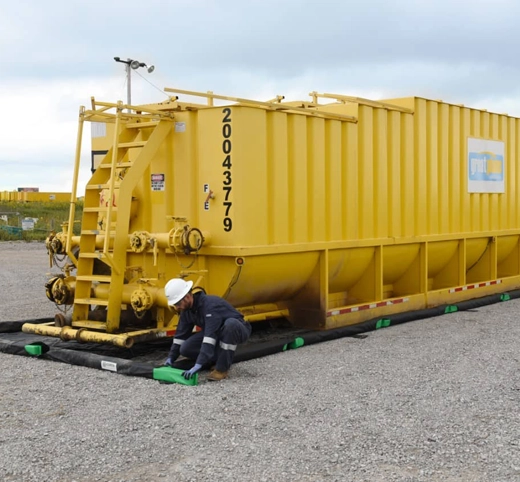 |
Ultra Containment Berm Economy PE |
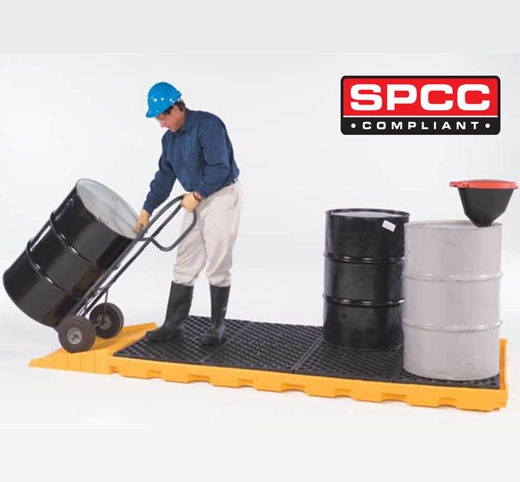
Secondary Containment: Spill Pallets and Decks
For smaller containers and drum storage, spill pallets offer an excellent containment solution. These units support standard pallets while providing a containment sump below to capture potential leaks. They come in various configurations for different container sizes and often include grating to keep containers elevated above any collected liquids. Most are constructed from polyethylene or steel with appropriate corrosion resistance properties to ensure durability with various chemical types.
Ultra IBC Spill Pallet Plus  |
Ultra Spill Deck P6 & P8
|
Choosing the Right Spill Containment Solution
When choosing containment berms, several factors deserve consideration. Chemical compatibility is paramount—the berm materials must resist degradation from the specific chemicals being stored. Capacity requirements must meet regulations, typically 110% of the largest container’s volume or 10% of the aggregate volume, whichever is greater.
Your usage pattern will determine whether you need permanent installation or flexible deployment options. Environmental factors such as indoor versus outdoor use, temperature extremes, and UV exposure will affect material selection. Finally, verify that your chosen berm specifications meet all applicable regulations for your industry and location.
Materials Used for Chemical Storage & Spill Containment
The materials of which chemical storage and spill containment equipment are made significantly impact the longevity and safety of the chemicals. When selecting materials for chemical storage, begin by reviewing chemical compatibility charts for all substances you plan to store. Consider the environmental conditions your storage will face, including temperature fluctuations, humidity levels, and potential UV exposure. It’s very, very important – from both safety and regulatory viewpoitns – to evaluate fire resistance requirements based on the flammability of your chemicals and local fire codes.
Also assess your cleaning and decontamination procedures to ensure materials will withstand your maintenance protocols. Finally, factor in the expected service life and ongoing maintenance requirements to determine the most cost-effective long-term solution.
Some common materials and their applications are as follows:
High-Density Polyethylene (HDPE) – offers excellent resistance to most acids and caustics, making it ideal for corrosive chemical storage. This material doesn’t rust or corrode and provides a lightweight yet durable solution for many containment needs. UV-stabilized versions are available for outdoor applications. Having said that, HDPE does have limitations with certain organic solvents, which can cause material degradation over time.
Steel (both carbon and stainless varieties) – serves different needs in chemical storage. Carbon steel provides an economical, strong option and is often powder-coated for corrosion resistance. Stainless steel offers superior corrosion resistance, making it ideal for more aggressive chemical environments. Both steel types provide excellent fire resistance and higher weight capacity than plastic alternatives, though they come with increased cost and weight.
Fiberglass and composite materials – combine strength with chemical resistance in many storage applications. These materials are lightweight compared to metal options and can be formulated for specific use cases. Custom applications often leverage fiberglass solutions, and fire-retardant formulations are available when flame resistance is required alongside chemical compatibility.
Concrete (used primarily for permanent installations) – provides maximum durability and weight capacity for large-scale chemical storage. It can be coated with specialized materials for enhanced chemical resistance and is ideal for large-scale, permanent storage facilities. Proper installation requires careful attention to sealing at joints and penetrations to prevent leakage into the substrate.
Best Practices for Chemical Storage, Handling and Disposal
When chemicals are improperly stored, the consequences can range from minor workplace incidents to catastrophic events resulting in injuries, property damage, and environmental contamination. There are some key principles and regulatory considerations for safely storing hazardous chemicals in any facility that handles these potentially dangerous substances.
Segregation
Proper chemical segregation prevents dangerous interactions between incompatible substances. Store chemicals according to compatibility groups rather than alphabetically. Common segregation categories include acids, bases, flammables, oxidizers, and water-reactive chemicals, as given above in the section on classification.

Maintain physical separation between incompatible groups, using separate cabinets or storage rooms when possible. When separate rooms aren’t feasible, use secondary containment to prevent mixing in case of leaks or spills.
Pay special attention to particularly reactive chemicals that may require individual storage solutions tailored to their specific hazards.
Container Labeling
Clearly label all containers with the chemical name, hazard pictograms, safety instructions, and any relevant concentration information. Ensure all containers carry compliant GHS (Globally Harmonized System) labels that clearly communicate hazards. Include receiving dates and expiration information to facilitate proper rotation and usage. Many facilities implement color-coding systems that enable quick hazard identification, allowing workers to recognize chemical types at a glance.
Chemical Integrity
Implement adequate churn and rotation practices to maintain chemical integrity. A first-in, first-out (FIFO) usage pattern prevents chemicals from exceeding their shelf life in storage. Conduct regular inspections to identify compromised containers before they fail, and proactively remove expired or degraded chemicals through appropriate disposal channels to prevent accidents and ensure product quality.
Container or Storage Room Integrity
Use appropriate containers designed for the specific chemical, ensuring they are in good condition and not damaged. Always refer to the Safety Data Sheets (SDS) for specific storage instructions regarding each chemical.
Protection from direct sunlight is necessary for photosensitive chemicals that can degrade or become reactive when exposed to UV light.
Humidity control may be required for water-reactive chemicals or substances that can absorb atmospheric moisture and become corrosive or unstable.
Storage Location
Store chemicals in a designated area with good ventilation, away from heat sources, direct sunlight, and egress pathways. Dedicated storage buildings may be necessary for larger inventories or particularly hazardous chemicals that present significant risks to main facility operations.
The height at which chemicals are stored is also important. Keep hazardous chemicals at or below eye level, and on stable shelves secured to the wall.
Facility Ventilation
Proper ventilation and aeration is essential in chemical storage areas. Natural or mechanical ventilation systems prevent vapor accumulation that could lead to health hazards or create explosive atmospheres. For highly toxic or volatile chemicals, consider local exhaust systems to capture vapors at their source. When designing ventilation, ensure airflow patterns direct potentially harmful vapors away from work areas and personnel.
Temperature Control
Many hazardous materials require specific temperature ranges to remain stable, and extreme heat or cold can compromise container integrity. Implement appropriate heating or cooling systems for temperature-sensitive materials and monitor storage areas regularly to detect problematic temperature fluctuations before they cause issues.
Inventory Management and Tracking
Maintain accurate chemical inventories that include quantity, location, and hazard information. Larger operations benefit from barcoding or RFID systems that streamline inventory processes and reduce human error. Perform regular reconciliation to identify missing materials promptly, ensuring both security and regulatory compliance.
Physical Security
Restrict access to chemical storage areas to authorized personnel through appropriate physical barriers and access control systems. Implement suitable locking mechanisms based on the hazard level of stored materials. For particularly hazardous or high-value chemicals, consider surveillance systems to monitor access and detect potential security breaches.
Emergency Planning & Preparedness
Comprehensive emergency preparedness includes appropriate spill response equipment for all stored chemicals. Chemical storage rooms should feature appropriate fire ratings, containment measures, and emergency equipment based on the materials stored.
Emergency planning must address various potential scenarios. Mark evacuation routes clearly and keep them free from obstruction at all times. Post emergency contact information, including internal response team members and external emergency services. Conduct regular drills and training sessions to ensure all personnel understand their roles in different emergency scenarios, from minor spills to major releases or fires.
Spill Control & Cleanup
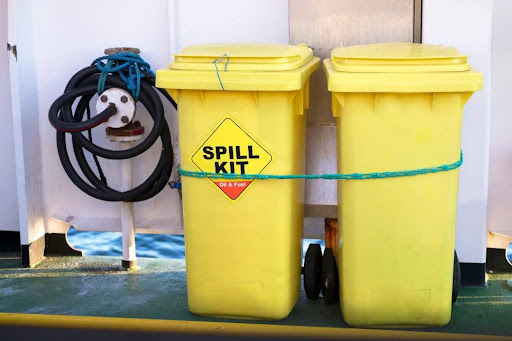
Preparation for chemical releases is an essential aspect of storage planning. Keep suitable spill kits strategically located throughout the storage area, with contents matched to the specific hazards present. Also ensure personal protective equipment (PPE) is readily available and properly maintained so that they can be worn safely in the event of a spill.
You need to develop clear spill response procedures tailored to different chemical types and potential release scenarios and post them in visible locations so personnel can act quickly when incidents occur. All relevant personnel should be trained in proper spill response techniques, with special emphasis on when to evacuate versus attempting containment.
Fire Safety
Fire prevention and response measures must address the specific hazards of stored chemicals. Install appropriate fire detection and suppression systems based on the chemicals present, recognizing that water may be inappropriate for some chemical fires. Maintain clear access to fire extinguishers suitable for the chemical classes in each storage area.
Coordinate with local fire departments to ensure they have accurate information about chemical storage locations and hazards for emergency response planning.
Waste Minimization
Responsible chemical management involves minimizing waste in every process and manufacturing cycle. Purchase only necessary quantities to reduce excess that may require disposal. Consider less hazardous alternatives when possible to minimize both storage risks and eventual disposal challenges. Also implement rotation systems to use older stock first, reducing the likelihood of expiration.
Responsible Disposal
Always ensure proper handling of byproducts and waste from all processes. Follow all applicable regulations for hazardous waste management and disposal. Work with authorized waste handlers to ensure proper transportation and final disposition. Don’t forget to maintain thorough documentation of your disposal activities to demonstrate regulatory compliance.
Safety in Organizational Culture
Cultivating a culture that prioritizes safety will go a long way in ensuring your operations remain smooth and incident-free. Start by providing thorough initial and refresher training to all your personnel on chemical hazards, proper storage practices, and emergency procedures. Include hands-on components for critical skills like spill response and emergency equipment operation. Document all training activities to demonstrate compliance with regulatory requirements.
Make it a point to recognize and reward behaviors that enhance the overall safety of your facility and logistics. Encourage reporting of near-misses and minor incidents to identify and address potential issues before they cause harm. Also conduct regular safety meetings that include discussion of current storage problems and suggestions for improvements.
Maintenance, Inspection and Documentation
A multi-tiered inspection approach ensures ongoing safety and compliance.
Daily visual checks should look for signs of leaks or container damage, verify proper closure of containers and cabinets, and confirm that hazard communication signage remains in place and legible. These quick inspections catch developing problems before they escalate into serious incidents.
Weekly detailed inspections examine containment areas for cracks or damage that could compromise their function. During these inspections, test safety equipment functionality, including emergency showers, eyewash stations, and fire suppression systems. Verify that ventilation systems operate correctly, with appropriate airflow and no obstructions.
Monthly or quarterly comprehensive reviews should include thorough inventory checks to reconcile stored materials with records. Inspect the structural integrity of storage systems, looking for signs of material fatigue or damage. These reviews also provide an opportunity to evaluate compliance with changing regulations and update procedures accordingly.
Now, a word about documentation. Thorough record-keeping supports both safety and compliance. Maintain detailed records of chemical inventories, including quantities, locations, and responsible parties. Equipment maintenance records prove due diligence in maintaining safety systems. Document inspection results and any corrective actions taken to address identified issues.
Also keep employee training records to demonstrate proper preparation for chemical handling responsibilities. When incidents occur, document investigations and resulting process improvements.
In Conclusion
Proper hazardous chemical storage represents a significant investment in safety, compliance, and risk management. By implementing appropriate containment solutions, selecting compatible storage containers, and following established best practices, organizations can protect their people, property, and the environment from the potential dangers associated with chemical handling.
Investing in quality storage solutions today prevents costly incidents, injuries, and regulatory penalties tomorrow— a commitment to safety and environmental stewardship is one of the most important investments your organization can make.
About Author

Neel Daphtary
Neel Daphtary is the President of Chemtech International. He oversees sales, distribution and business development. He excels at helping pharmaceutical and manufacturing firms find the right processes and environmental solutions. Neel is an active member of Global Philadelphia, an organization committed to community development in PA.



Have Any Questions Or Comments?
Call Us For Help!
888-709-8070