
In intense and fast-paced manufacturing environments—especially in industries like pharmaceuticals or chemicals—efficient materials handling isn’t just about moving products from point A to point B. Rather, it’s a critical process that can significantly impact your bottom line.
By implementing strategic best practices, manufacturers can reduce waste, enhance safety, and boost overall productivity. Here are some time-tested strategies and tips on how your organization can optimize materials handling operations for maximum efficiency.
Standardize Processes and Optimize Workflows
Develop a comprehensive (but simple-to-follow in everyday functions) materials handling plan that aligns with your organizational goals. Collaborate with suppliers, clients and material specialists to design processes that consider current limitations and future requirements. Standardizing methods, equipment, and storage choices ensures consistency and reduces confusion in operations, leading to improved handling and logistics. Your goal should be to eliminate any unnecessary movement of personnel or material throughout its life cycle.
Determine the Right Storage Solutions
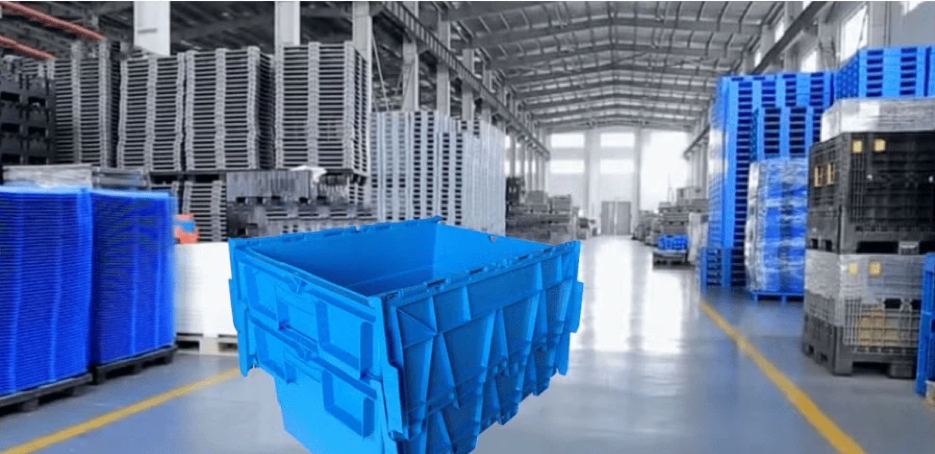
The foundation of effective materials handling begins with selecting appropriate storage containers. Durable, chemical-resistant tote boxes designed specifically for industrial applications provide reliable protection for raw materials and finished products alike. When choosing containers for your facility, consider options that offer superior material strength and chemical resistance tailored to your specific compounds—such as polypropylene totes that withstand exposure to acids and bases common in pharmaceutical processing.
Quantum SNT180RD Tote Box |
Quantum 1826TR Serving Tray
|

Stackable designs maximize vertical storage space, allowing facilities to make better use of limited floor area. Proper sealing capabilities prevent cross-contamination, which is especially critical when handling active pharmaceutical ingredients or storing sensitive and hazardous chemicals.
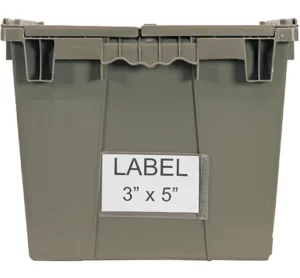
Clear labeling areas ensure easy identification, reducing the time workers spend searching for materials and minimizing the risk of using incorrect components in production processes. Standard dimensions facilitate efficient space utilization in warehouses and production areas while simplifying transportation logistics.
|
Quantum QDL-2115 Identification Label
|
Quantum QDC2115-12 Distribution Container
|

Streamline Your Inventory Management
Excess inventory ties up capital and floor space while increasing the risk of product expiration or obsolescence. A well-designed inventory management system transforms how materials flow through your facility. First In First Out (FIFO) protocols are essential for temperature-sensitive items, reagents and dated materials, ensuring older stock is used before newer deliveries.
Make sure your manufacturing processes conform to lean principles that focus on eliminating waste and improving cycle times. Methodologies such as 5S (Sort, Set in order, Shine, Standardize, Sustain) help you maintain an organized floor and workspace, and encourage continuous improvement.
Maintaining appropriate safety stock without overstocking requires regular analysis of usage patterns and lead times. Just-in-time (JIT) inventory practices help minimize waste by ensuring materials are delivered precisely when needed for production or delivery. Further, if you have real-time inventory visibility through digital tracking systems, you can prevent production delays and meet emergency orders without much difficulty.
Establishing par levels with automatic reordering triggers ensures materials arrive just when needed, reducing both stockouts and excess inventory situations. Regular analysis of usage patterns helps adjust stocking quantities so that you can account for seasonal variations and market changes that impact material requirements.
Optimize Processes and Flows
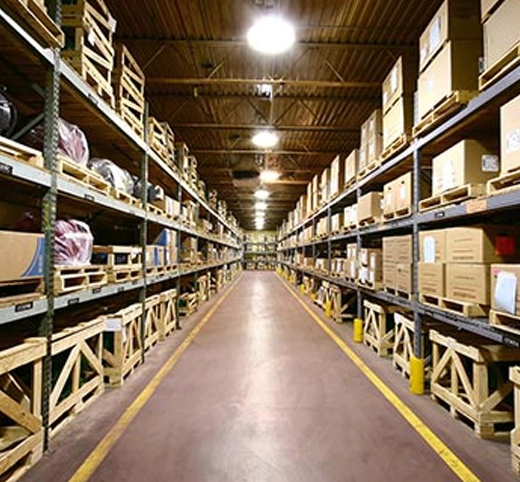
The physical movement of materials through your facility should follow logical, efficient pathways designed to maximize productivity. Arrange storage areas in ways that minimize travel distances for high-use items to reduce labor time and energy costs. Create dedicated zones for receiving, staging, and shipping to prevent internal congestion that can lead to process bottlenecks and delays.
Gravity-fed systems can reduce energy usage in applications such as moving materials between vertically separated production areas. Thoughtfully designed workstations also minimize unnecessary movement and allow workers to focus on value-adding activities.
Train (and Retrain) Staff in Proper Handling Techniques
Even the best systems fall short without proper training. Attention to ergonomics and comprehensive education for all personnel can transform material handling and logistics to a great extent.
Safe lifting and carrying procedures reduce workplace injuries—a critical concern when handling heavy chemical totes. Proper use of mechanical, electric and electronic warehouse and handling equipment ensures efficiency and safety, especially when handling hazardous materials.
Chemical safety and spill response protocols prevent costly incidents and potential regulatory violations while protecting worker health. Accurate documentation and record-keeping support traceability requirements and quality management systems essential in regulated industries. Preventative maintenance training for handling equipment extends its operational life and reduces unexpected downtime that can disrupt production schedules and compromise delivery timelines.
And while you’re at it, prioritize worker capabilities, convenience and productivity by designing tasks and selecting equipment that minimize repetitive or strenuous work. Also put in place equipment that helps clean up or contain inevitable spills or wreckage that might occur on factory floors or warehouses.
Automate Where Practical and Cost-Efficient
When implemented thoughtfully and strategically, automation can dramatically improve efficiency while reducing human error and injury risks.
Conveyor systems streamline routine transport paths between production, quality control, and packaging areas. Automated guided vehicles efficiently handle longer distances and repetitive transport tasks, particularly in larger facilities with multiple buildings or extensive production areas. Robotic palletizing and depalletizing systems increase throughput and consistency while reducing ergonomic risks associated with repetitive lifting.

You can also use automated storage and retrieval systems to optimize space utilization and improve inventory accuracy as we discussed above. This is particularly true for facilities handling large numbers of distinct materials. Further, digital tracking and management systems give you real-time visibility across operations, enabling informed decision-making and responsive production planning.
Reduce Environmental Impact
Sustainable materials handling practices not only benefit the environment but often improve operational efficiency as well. Reusable tote boxes represent a significant improvement over single-use packaging, reducing waste generation and long-term material costs. Energy-efficient handling equipment reduces operational costs and environmental impact throughout the equipment lifecycle. Further, implementing recycling programs for damaged containers converts potential waste into valuable resources and reduces disposal costs.
If your firm has a logistics division for shipping and delivery to vendors, warehouses or retail partners, you need to optimize transportation routes to minimize fuel consumption and emissions while improving delivery timeliness.
Continuously Measure and Improve
The most successful materials handling systems incorporate regular assessment and refinement as core operational principles. Today, it needn’t be emphasized that you should have systems that track key performance indicators (KPIs) such as handling time, damage rates, and life cycle metrics in place. Also perform periodic audits to identify inefficiencies and improvement opportunities that might otherwise go unnoticed in day-to-day operations.
Your floor workers can offer valuable perspectives on practical improvements based on their hands-on experience with materials handling processes, so don’t forget to get regular feedback and ideas from them. Stay informed about industry innovations so that you’re aware of new possibilities for efficiency improvements in scaling production and speeding up go-to-market time.
Making incremental improvements based on performance data creates sustainable progress that compounds over time, resulting in significant long-term operational advantages.
In Conclusion
In the competitive manufacturing landscape, efficient materials handling represents a significant opportunity for operational savings. By investing in appropriate storage solutions, optimizing inventory management, designing efficient workflows, and implementing proper training, your organization can minimize waste while maximizing productivity and profitability.
The right storage systems form the foundation upon which these efficiencies are built. When selecting materials handling equipment, consider not just the initial purchase price but the long-term value created through durability, functionality, and compatibility with your specific operational needs.
About Author

Neel Daphtary
Neel Daphtary is the President of Chemtech International. He oversees sales, distribution and business development. He excels at helping pharmaceutical and manufacturing firms find the right processes and environmental solutions. Neel is an active member of Global Philadelphia, an organization committed to community development in PA.



Have Any Questions Or Comments?
Call Us For Help!
888-709-8070