
The materials handling market is worth a staggering $216 billion today and will rise to over $350 billion in less than 10 years, as per a report by SNS Insider.

What does this mean for the industrial manufacturing and logistics sectors, which need to keep their processes, operational capabilities up to date according to the changing nature of equipment and supply chains at their disposal?
While this question is broad, you can attempt to answer it by thinking about how you can make your material handling processes efficient. What processes need manual supervision and what can be automated?
Manual material handling is the physical labor with simple tools and equipment, while automated material handling leverages computer-controlled machines and robotics to streamline large-scale operations.
For most facilities and small-to-medium businesses, the cost-effective and balanced approach is to combine process automation with manual handling using the right containers. This often leads to best results, especially in chemical and pharmaceutical manufacturing.
There are several factors you need to take into account when considering the best type of material handling system for your facility. Let’s take a look at them:
Space Utilization
Automated systems need significant floor space for specialized infrastructure and equipment such as conveyor belts, robotic arms, and the like. For instance, a fully automated pharmaceutical packaging line typically needs 40% more floor space than a manual or hybrid system. At the same time, they help save space in storage of similar items by arranging or stacking them more efficiently.
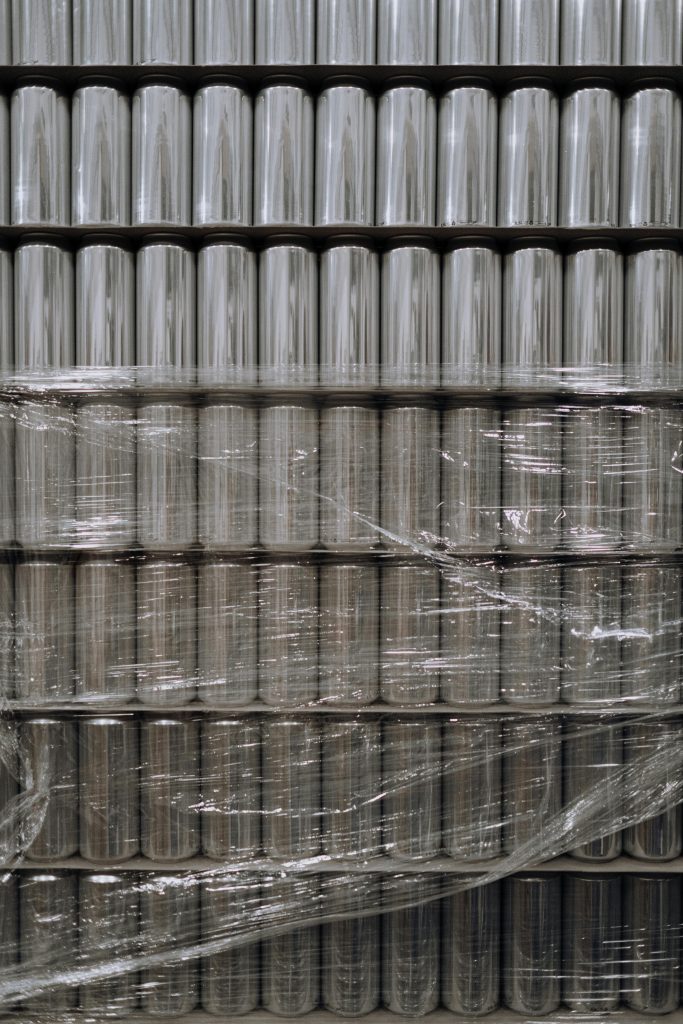
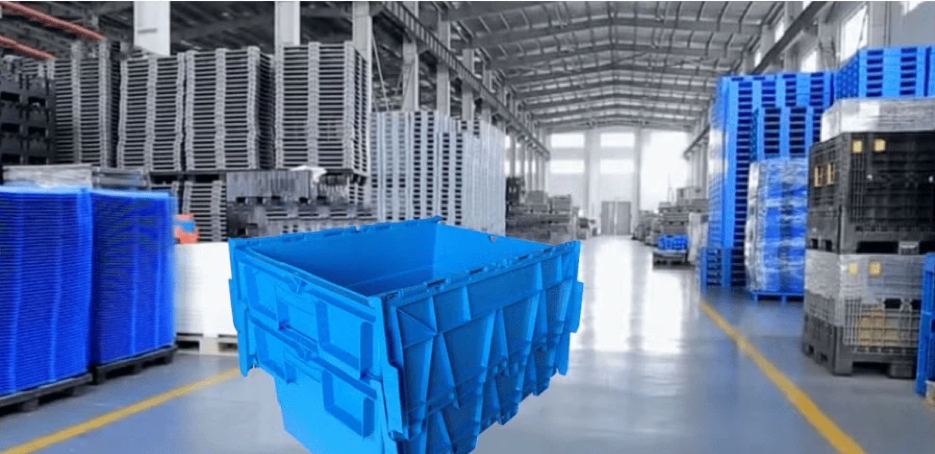
Manual handling with stackable tote boxes also allows for vertical storage optimization and flexible space utilization. Our industrial-grade tote boxes are designed with reinforced bases and anti-slip edges, enabling secure stacking while maintaining easy access. These are perfect for specialty chemical manufacturers and warehouses that need to store multiple batches of different products.
Product Characteristics
Chemical and pharmaceutical products often require special handling considerations. Some examples are reactive chemicals requiring temperature control, light-sensitive compounds in pharmaceutical manufacturing, or time-sensitive materials in biochemical production.
Automated systems may struggle with these varying container sizes or delicate items. Our range of tote boxes and trays are specifically designed to facilitate manual and semi-automated handling of hazardous materials.
Production Volume and Frequency of Handling
Automated material handling systems are ideal for high-volume production with repetitive processes and batch production, as in automotive parts manufacturing.
However, for varying product lines, specialty chemical mixing (such as custom pharmaceutical formulations), manual handling using standardized containers often proves more cost-effective. Our distribution containers are designed ergonomically to handle optimal load capacities, allowing workers to efficiently move materials without compromising safety.
Safety and Compliance
Manual handling requires strict adherence to safety protocols in many environments, including warehousing and chemical and pharmaceutical manufacturing. For instance, when handling corrosive agents in industrial manufacturing or managing multiple batches of different pharmaceutical ingredients, you need containers, gloves and other wearables made of chemical-resistant materials tested to that industry’s highest standards.
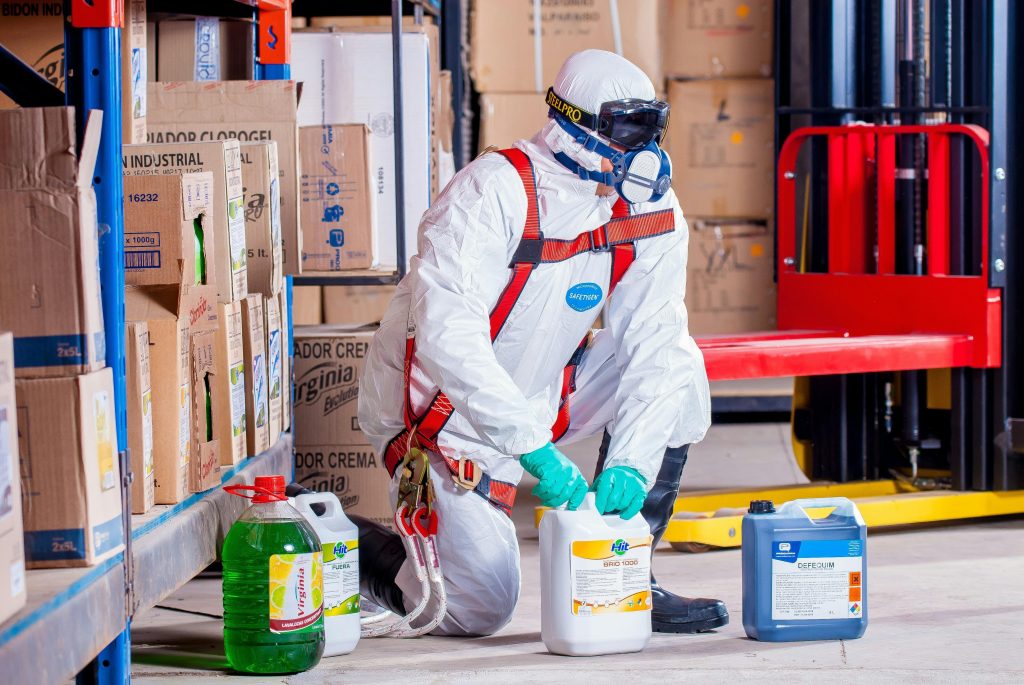
In industries like battery manufacturing or electronics assembly, where material segregation is crucial, it’s important to have clear labeling and designated areas for different processes. Containers and machines should also clearly display weight indicators or load limits to prevent handling accidents.
Effect on the Environment
Modern manufacturing MUST balance efficiency with sustainability. Tote boxes and containers today are manufactured using fully recyclable materials, and are designed for extended use through their durable, washable period of use.
According to studies, a typical pharmaceutical manufacturer using certified or reusable containers can reduce their packaging waste by up to 60% compared to non-standardized solutions. Stackable design also minimizes transport emissions – a standard truck can carry 30% more product when using optimized containers.

On the other hand, the jury is out on the effect of many robotic machines and devices on the environment. Manufacturing these devices is a whole new ballgame in its own – with each machine having its own standards and processes. Outcomes vary on how long it will last, how its operations will affect the surroundings, what emissions it will have, and how it needs to be disposed of properly.
Show Me the Money!
Now we’re talking, I hear you say!
Implementing automated systems requires substantial upfront investment in system design and installation. A typical, fully automated material handling system for a mid-sized pharmaceutical facility can cost upwards of $2 million. Organizations must also factor in the ongoing costs of specialized maintenance personnel and potential system downtime. Regular software updates and higher energy consumption further add to the total cost of ownership.
Your investment in manual handling processes is primarily spent on quality equipment and proper training. There’s less upfront costs but a lot many ongoing costs and more time/effort involved here.
Purchasing durable moving and storage equipment, along with staff training in proper handling techniques, represents the bulk of initial costs. For instance, a complete manual handling setup for a specialty chemical manufacturing line, including UN-certified containers and training, typically costs less than 15% of an automated system. Maintenance requirements are significantly lower, though periodic equipment replacement and personnel-related costs should be factored into long-term planning.
The Hybrid Approach: Maximizing Efficiency
The most successful manufacturers often implement a hybrid system. For example, a chemical plant might use automated conveyor systems for internal long-distance transport of materials, while relying on manual handling with tote boxes for custom batch mixing operations or quality control sampling.
Medical device manufacturers often use automated systems for standardized components but switch to manual handling for delicate assemblies or custom orders.
The storage boxes and containers you use must be designed to accommodate this flexibility through standard dimensions that work seamlessly with common conveyor systems. RFID tags for tracking, smooth bottoms, and quick-release mechanisms would be a plus for both manual and automated handling.
Making the Right Choice
The decision to go for automated or manual handling shouldn’t be binary. Starting with high-quality manual handling equipment that can later integrate with automated systems provides significant advantages. So here’s a quick table that summarizes this discussion:
| Aspect | Automated Material Handling | Manual Material Handling |
| Initial Cost | High upfront investment for equipment and setup | Low initial cost, minimal infrastructure required |
| Operational Cost | Lower over time due to reduced labor requirements | Higher over time due to wages, benefits, and inefficiency |
| Efficiency | Very high; operates continuously without fatigue | Moderate; limited by human speed and endurance |
| Error Rate | Low; highly precise and consistent | High; prone to human error |
| Safety | High; minimizes workplace injuries | Low; higher risk of injuries and accidents |
| Flexibility | Moderate; suitable for repetitive tasks | High; adaptable to various tasks |
| Scalability | High; can handle large-scale operations easily | Limited; requires hiring more workers for scaling |
| Training Needs | High; requires specialized training for operation | Low; basic training suffices |
| Maintenance | High; requires skilled personnel and scheduled upkeep | Low; minimal equipment to maintain |
| Speed | Faster; continuous operation without breaks | Slower; dependent on human physical capabilities |
| Adaptability | Limited; struggles with non-standard tasks | High; workers can adjust to unexpected scenarios |
| Environmental Impact | Lower for energy-efficient systems, but may involve production waste | Minimal environmental impact |
Consider how a small manufacturer might start with manual handling for small batch production, and then gradually introduce automation as their sales and production volume grow. This approach minimizes initial capital investment while maintaining operational flexibility. It also helps mitigate risks and allows for process optimization based on actual needs rather than theoretical projections.
This hybrid and step-by-step approach to materials handling ensures that manufacturers get the benefits of maximum efficiency while adapting nimbly to current market demands. By choosing the right combination of manual and automated solutions, you can build a robust, flexible, and sustainable materials handling system that serves your needs right now as well as future-proofs your operations.
Are you looking for the ideal containers and tote boxes to suit your operations – manual or automated? Check out our Materials Handling product range.
Alternatively, contact us to discuss the right solutions and products for your business!
About Author

Neel Daphtary
Neel Daphtary is the President of Chemtech International. He oversees sales, distribution and business development. He excels at helping pharmaceutical and manufacturing firms find the right processes and environmental solutions. Neel is an active member of Global Philadelphia, an organization committed to community development in PA.


Have Any Questions Or Comments?
Call Us For Help!
888-709-8070