
Water is one of those things we take for granted. When we turn on the tap, it’s there. On a rainy day, it’s there. When we go to the store, it’s there, often in different flavors. But, in fact, water waste is a very real issue that all of us need to work hard to counteract.
Take a look at some of our top water waste facts to learn more about this problem. Some of them might just shock you.
- Americans now use 127% more water than they did in 1950.
The USA’s growing population is outmatching the measures put in place to curtail water usage, and now our rate of water usage is 127% of what it was in 1950. This is compounded by the fact that around 95% of the water that enters a residential property ends up in its drains.
- It’s important to turn off that tap!
One drip per second from a leaky faucet can waste over 3,000 gallons of water per year.
- Up to 50% of water used outdoors is wasted due to inefficient watering methods.
Outdoor water waste occurs through practices such as over-watering lawns, using hoses to wash surfaces instead of sweeping using a bucket, and failing to use efficient irrigation methods like drip irrigation or soaker hoses, leading to water runoff and evaporation. Keeping sprinklers running during rain is much more common than you think.
- Water and wastewater infrastructure spending hit $41 billion in 2024 in the US.
Investment in infrastructure remains high in the USA. And yet, this is a small fraction of the overall infrastructure construction value, with a funding gap of $69 billion for wastewater and stormwater infrastructure. The water and wastewater treatment market size was valued at $121.40 billion in 2024 and is projected to grow to USD 206.64 billion by 2032.
- Water waste is contributing to the damage of the USA’s waterways.
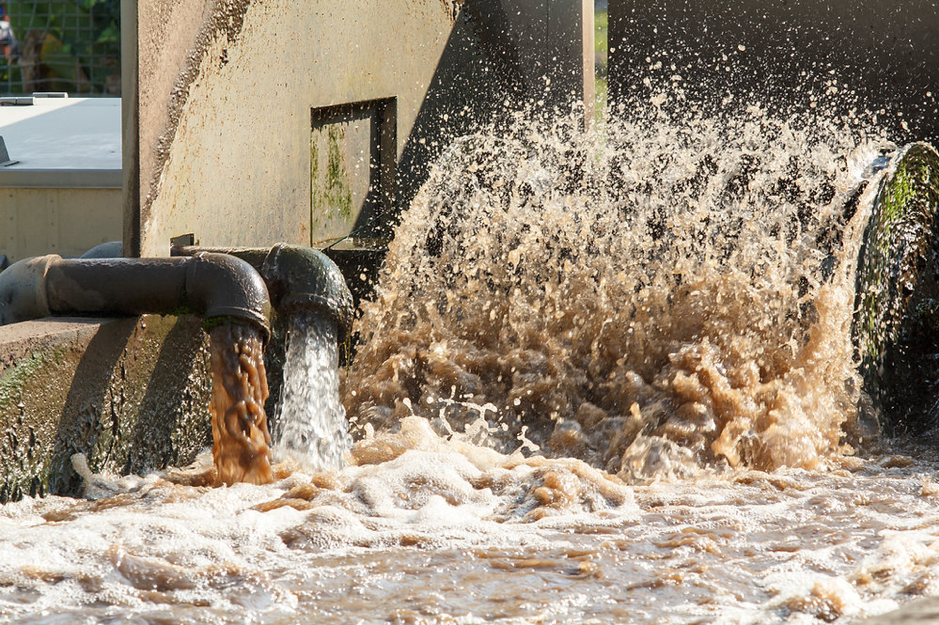
Over half of all river and stream miles in the USA, almost three-quarters of lake acres, and 80% of estuary square miles have been deemed unacceptable for at least one designated use due to wastewater and stormwater, according to the EPA (Environmental Protection Agency). In the Great Lakes, an astonishing 98% of the shoreline has been classified in this way, and the Great Lakes have historically been a dumping ground for untreated wastewater.
- Only 20% of wastewater is appropriately treated.
Findings from UNESCO indicate that too much water is being needlessly wasted, and that only 20% of wastewater is treated in the appropriate manner. This figure is even lower in developing nations, where low national income makes it difficult to carry out such projects.
- Treated wastewater is considered as a commodity across the USA.
Properly treated and tested wastewater can be used for many different purposes — for example, as a coolant for nuclear power stations. This is already taking place at the Palo Verde Nuclear Generating Station. Since 1973, cities in central Arizona have been purchasing treated wastewater for such purposes, and it is estimated that the going rate for recycled water could be $200 per acre-foot by 2025.
- The USA has the second-highest global rate of water waste.
In the USA, around 216 trillion gallons of water end up as waste each year. While this is far behind China in first place with 362 trillion gallons per year, it is also far ahead of Brazil in third place with 95 trillion.
- A great amount of water is wasted for producing any kind of food.
Roughly 30-40% of food produced globally is wasted, representing significant embedded water waste.
- Agriculture, beverage production, textile manufacturing, automotive manufacturing, and mining are among the most water-intensive industries.
It takes around 88 gallons of water to produce a 5-pound bag of sugar. A single pint of beer requires as many as 20 gallons of water to produce. It takes around 2,866 gallons of water to manufacture a pair of jeans. The entire production process for the average automobile requires around 39,000 gallons. The list goes on.
To put it simply, we can’t even begin to get our heads around how much water we use on a daily basis. This is why water conservation is so crucial if we are to preserve our planet for future generations.
About Author

Neel Daphtary
Neel Daphtary is the President of Chemtech International. He oversees sales, distribution and business development. He excels at helping pharmaceutical and manufacturing firms find the right processes and environmental solutions. Neel is an active member of Global Philadelphia, an organization committed to community development in PA.

Have Any Questions Or Comments?
Call Us For Help!
888-709-8070