
Walk into any pharmaceutical plant and you’ll immediately see that trays are stacked high with vials and capsules moving down cleanroom lines, and workers double-checking syringes before they leave the floor.
In this environment, even the smallest misstep can cost thousands of dollars, or worse, compromise patient safety. That’s why material handling in the pharmaceutical industry isn’t just a back-end operation. It’s mission-critical.
Inefficiency of material handling, packaging, or logistics in pharmaceuticals can take gazillion different forms – cracked glass vials, cross-contamination, compliance red flags, and in some cases, a full batch that never makes it out the door.
And no QA manager or plant supervisor wants that.
The good news? There are quite a few ways to take these risks off the table.
With purpose-built tools like Chemtech’s vial loading trays and soft gel drying trays, pharma companies can keep their lines flowing smoothly while staying aligned with GMP standards.
Let’s unpack why handling matters, the real challenges on the floor, and how better systems make all the difference.
Why Efficient Material Handling Matters Today in the Pharmaceutical Industry?
Pharma production doesn’t have much margin for error. Every vial, capsule, or syringe represents a promise that what leaves the plant is sterile, safe, and effective.
Now, picture a line running at speed. If trays aren’t aligned properly, syringes tip over. If operators are over-handling vials, cracks and microfractures sneak in. If trays can’t stand up to sterilization cycles, you’ve got a hidden contamination risk.
And all of these are not “what ifs” — they’re daily headaches for teams in facilities everywhere.
Moreover, inefficiency, besides wasted time, is also about compliance. GMP and FDA expectations make it clear that handling must be repeatable, traceable, and hygienic.
When pharmaceutical equipment falls short, it’s not limited to production or shipping delay, but it also reflects in audit findings, deviation reports, or even recalls.
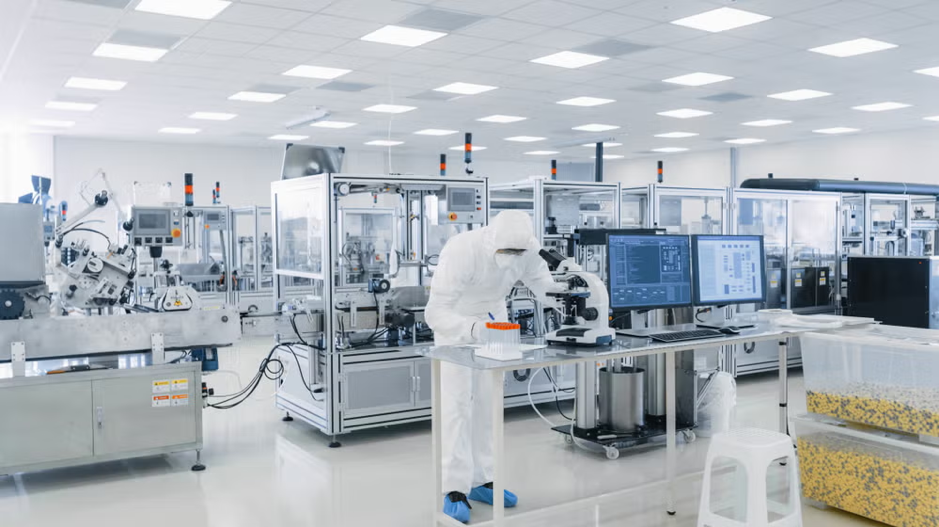
In a nutshell, efficiency or automation in the pharmaceutical industry is not just about running faster. It’s about protecting your license to operate, your brand reputation, and ultimately, patient safety.
Core Challenges in Pharmaceutical Material Handling
Anyone who’s worked on the floor knows this: pharma handling is fragile work, and the challenges stack up fast. Here are some of the most common key challenges that companies and teams face in pharma material handling.
Breakage of vials, syringes, or capsules: One dropped tray can wipe out hundreds of units. And it’s never just the product loss; think of all the things that follow, like cleanup, the downtime, and the implications that follow.
Cross-contamination risks: Another is a tray with worn surfaces or hard-to-clean corners that can carry residue between batches. In vaccine production, that’s a nightmare scenario.
Temperature-sensitive products: Vaccines, biologics, and specialty injectables rely on tight cold chain handling. So even one slip in how trays move between rooms and the stability of trays can compromise the quality of temperature-sensitive products.
Worker strain and fatigue: High-volume manual handling takes its toll. Repetitive lifting, stacking, and balancing trays increases the risk of human error and workplace injuries.
When you have strong, well-designed handling systems, you can eliminate all of these challenges quite easily.
Chemtech’s stackable vial trays, for example, are engineered to reduce breakage, stand up to repeated sterilization, and fit seamlessly into modern production workflows.
Best Practices for Material Handling in the Pharmaceutical Industry
Efficient handling doesn’t happen by accident in the pharma industry. You need to MAKE IT HAPPEN with a mix of good design, disciplined process, and the right tools.
Here are some of the best practices and strategies you can try and emulate.
- Use sterilization-friendly materials
To handle material in an efficient way, you need to make sure that the trays can handle repeated autoclave cycles or chemical sanitization without warping. The wrong material may look fine at first, but after a few cycles, it becomes a contamination hazard.
- Minimize manual touchpoints
Every extra time a worker handles a product, the risk increases. In such cases, it’s always recommended to use trays that are designed for stacking and automation as they reduce handoffs while keeping lines sterile and efficient.
- Align with cold chain and aseptic systems
When you are handling vaccines or biologics, you need to make sure that trays can hold up in controlled environments because compatibility here keeps products stable all the way through.
- Stay GMP-ready
Auditors and regulators want to see handling systems that are consistent and repeatable. All equipment such as drying trays, manufacturing machinery, etc. should be designed with compliance in mind.
- Protect workers, too
Lastly, handling isn’t only about the product; you need to take care of your workers, too! Ergonomic tray designs reduce strain and accidents, which in turn reduces errors and downtime.
There’s no doubt that good handling practices protect products, people, and compliance records all at once.
Emerging Trends & Automation in Pharma Material Handling
Like everything else in this world, material handling in the pharmaceutical industry is changing with time.
Walk through a cutting-edge plant today, and you’ll see that robots are handling vials, automated systems are transferring trays, and sensors are tracking cycles in real time.
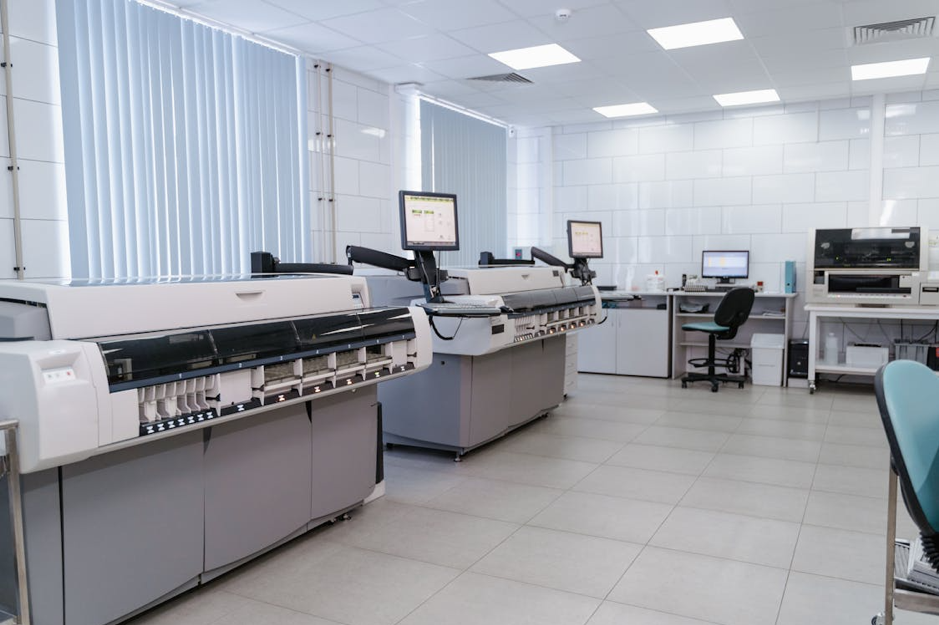
Here’s how each of these technologies is shaping the industry:
- Robotic loading and filling are reducing breakage in vaccine and syringe lines. Machines don’t tire, and they don’t make small handling mistakes that lead to costly losses.
- Automation-ready trays are now standard in modern facilities. They’re built to align with conveyors, robotic arms, and vision systems without a hitch.
- IoT and smart tracking are making compliance simpler. Imagine a tray that logs how many sterilization cycles it’s been through, or where it is in the facility. That’s where the industry is headed.
And the good news is — Chemtech trays are already designed with these realities in mind. Our products are tough enough for today, but adaptable enough for tomorrow’s automated cleanrooms.
Enhance Your Pharma Material Handling With Chemtech
When it comes down to it, efficient material handling in the pharmaceutical industry is about keeping promises.
A promise to patients that every vial is safe. A promise to regulators that every process is compliant. A promise to the manufacturer that efficiency and quality can go hand in hand.
Among these promises, Chemtech’s vial loading trays and soft gel drying trays aren’t just equipment; they’re safeguards. They reduce the risk of breakage, simplify cleaning, and integrate smoothly into automated or manual workflows.
 So whether you’re scaling up a new vaccine line, modernizing syringe production, or looking for ways to cut downtime, the right trays are not just a convenience—they are a necessity.
https://chemtech-us.com/contact-us/ to explore Chemtech’s material handling solutions because we want to take your pharma material handling to its most efficient level.
About Author

Neel Daphtary
Neel Daphtary is the President of Chemtech International. He oversees sales, distribution and business development. He excels at helping pharmaceutical and manufacturing firms find the right processes and environmental solutions. Neel is an active member of Global Philadelphia, an organization committed to community development in PA.



Have Any Questions Or Comments?
Call Us For Help!
888-709-8070