
Anyone working in industrial environments knows that spills don’t send calendar invites—they happen suddenly. And when they happen, an emergency spill response is important!
It’s the process of containing and controlling accidental discharges of hazardous or non-hazardous materials before they harm people, property, or the environment.
Whether you have a diesel leak near a loading bay, a chemical overflow in a plant, or hydraulic fluid spilling from machinery, what you do in the first few minutes determine everything from cleanup cost to regulatory outcome.
When you have the right tools, trained personnel, and reliable containment systems, it defines the difference between a quick recovery and a reportable disaster.
And that’s where solution providers like Chemtech come in. With proven solutions like spill containment berms and secondary containment systems, Chemtech helps facilities stay prepared, protected, and compliant regardless of spill size and substance type.
The Importance of Having an Emergency Spill Response Plan
Every facility that handles liquids, from manufacturing plants to fuel depots, faces spill risks.
And a single incident can cost thousands in cleanup, damage equipment, or even trigger penalties from the EPA or OSHA if it contaminates soil or storm drains.
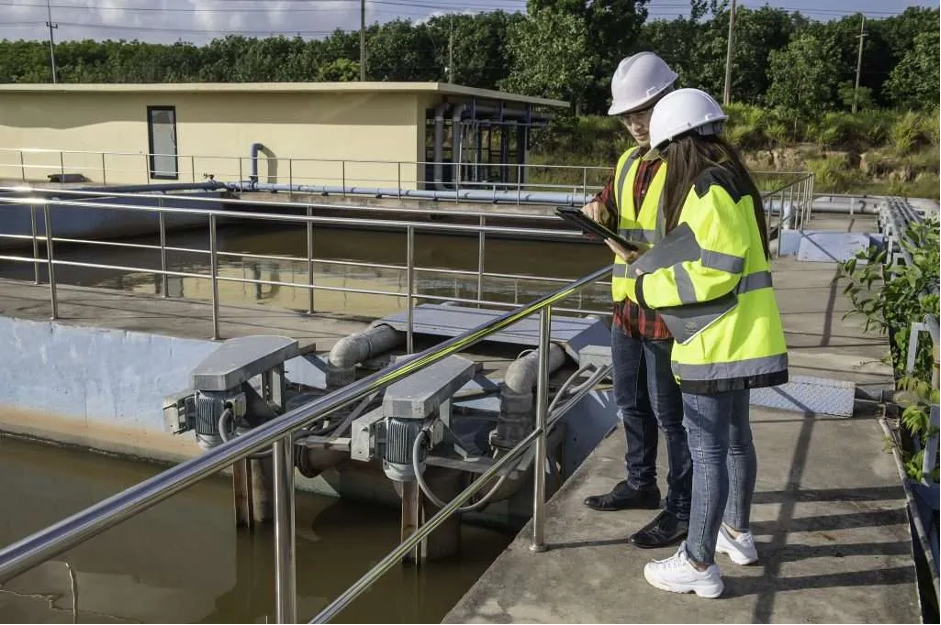
Imagine a chemical transfer line that ruptures during unloading. If you don’t have an emergency spill response plan, the fluid spreads toward a drain in seconds. Workers scramble for absorbents, unsure where the kits are.
But in a facility with a proper spill mitigation procedure in place, the response is immediate—containment berms are deployed, drain covers are sealed, and the leak is isolated within minutes.
This planned series of reactions prevents contamination, avoids downtime, and protects employee health. In a nutshell, a solid spill response plan protects
- People, by reducing exposure to harmful materials
- Operations, by minimizing downtime and cleanup disruptions
- The environment, by stopping hazardous runoff at the source
 Important Containment Tools & Equipment Every Facility Should Have
 Important Containment Tools & Equipment Every Facility Should Have
Now that you know the importance of emergency spill response, it is also equally important to have the right tools and training.
Here are three main tools and equipment you must know about:
1. Spill Containment Berms
Spill containment berms are your first line of defense during mobile or outdoor incidents. These temporary, reusable barriers are designed to isolate and contain oil, fuel, or chemical leaks before they spread.
In an effective emergency spill response plan, they help a lot in
- Fuel transfer areas
- Vehicle washing zones
- Chemical storage yards
Many berms are portable and deployable within minutes. Moreover, their flexible walls can be driven over, making them ideal for high-traffic sites like logistics yards or refueling zones.
2. Secondary Containment Systems
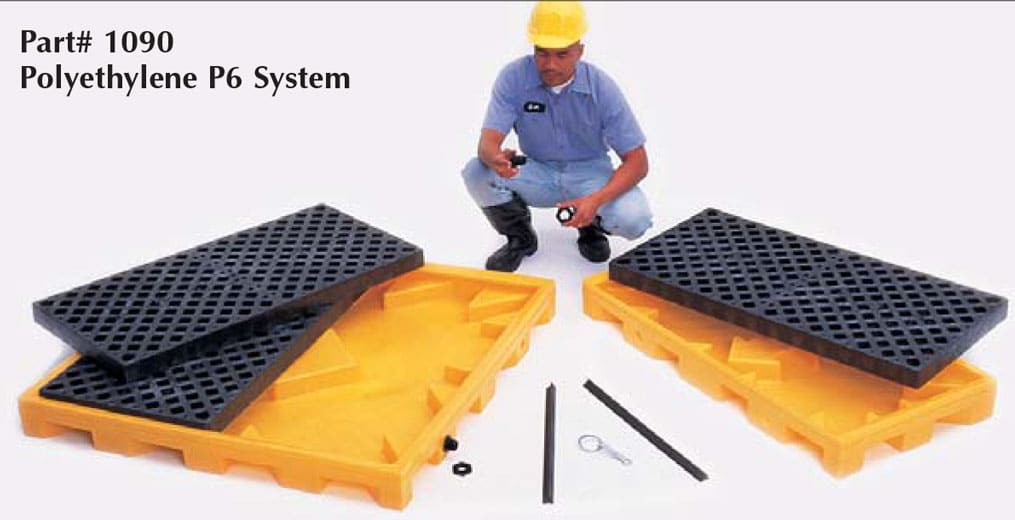
While berms handle emergencies, secondary containment systems prevent them from happening in the first place. These permanent structures, often made of heavy-duty polymer or coated steel, capture leaks from drums, tanks, or IBCs before they reach soil or drains.
Think of them as the silent guardians of spill prevention. They’re essential for facilities storing hazardous liquids long-term, helping maintain compliance with EPA 40 CFR 264.175 requirements for secondary containment.
3. Drain Seals, Absorbent Booms & Mats
Now, if your facility has a danger of indoor or small-scale incidents, drain covers and absorbent pads are the go-to tools and equipment.
A drain seal quickly prevents contamination of the stormwater system, while absorbent booms form instant liquid barriers.
Each of these tools plays a role in layered defense. Berms are great for fast response, containment systems for prevention, and absorbents for precision cleanup.
4-Step Emergency Spill Response Procedure
Having the right tools and equipment won’t do wonders if you don’t have a simple and step-by-step action plan to respond when an accident happens!
Remember, responding to a spill effectively is not guesswork but a sequence of disciplined steps.
Here’s how you can act like a trained team to handle a spill safely and efficiently:
Step 1: Assess and Alert
First of all, you need to correctly identify what’s been spilled, measure exactly how much, and where it’s heading. Based on that information, immediately alert the response team and secure the area to prevent exposure or ignition.
Step 2: Contain
Simultaneously, depending on the material, extent, intensity and hazard of the spill, use physical barriers to stop the spread. You can also deploy spill containment berms, absorbent socks, or secondary containment units, depending on the scale of the spill.
Here, the goal is simple: Keep the material where it is until it can be recovered.
Step 3: Control and Recover
The next step includes stopping the leak at its source. Use compatible pumps or vacuums to transfer spilled material into recovery containers.
For example, you can use absorbent booms to isolate the sheen of oils and fuels on the water surface.
Step 4: Decontaminate and Document
Lastly, once you have controlled and recovered the spill, clean the area using approved neutralizers or detergents. Then record every action like volume spilled, cleanup method, disposal details, and corrective measures so that you can improve it in case of the next accident.
Additionally, a well-trained emergency spill response team knows its equipment and its chemical compatibility. A small mismatch between spill type and containment material can make a bad situation worse, and that’s why regular training and audits are non-negotiable.
 Best Practices for Emergency Spill Response Readiness
 Best Practices for Emergency Spill Response Readiness
When you are well-prepared even before there’s a sign of a spill, it can save you from a lot of future troubles and costs. Here are some proactive habits that can dramatically reduce incident impact:
- Keep spill kits near high-risk zones: Ensure that refueling points, chemical transfer stations, and maintenance bays have immediate access to containment gear.
- Conduct quarterly drills: Simulated spill exercises help teams practice under pressure.
- Inspect regularly: Make sure you are checking berms and containment units for cracks, UV damage, or chemical wear. Replace compromised gear before it fails.
- Document everything: Starting from inspections, drills, and incident reviews, record every little thing, whether you deem it relevant or not. This not only improves performance but also strengthens your ESG and compliance reporting.
Respond Fast, Contain Smart
More than reaction, the best emergency spill response is all about readiness.
When combined together, a trained team, clear procedures, and reliable containment tools can turn potential crises into controlled events.
And we at Chemtech empower facilities with durable, practical solutions built for the realities of industrial life—from rapid-deploy spill containment berms to long-lasting secondary containment systems, from high quality gas cylinders to certified trays and bins, which help manufacturing and logistics facilities ensure that every packet and every drop stays where it should.
Because when disaster strikes, speed matters, but smart response matters even more.
About Author

Neel Daphtary
Neel Daphtary is the President of Chemtech International. He oversees sales, distribution and business development. He excels at helping pharmaceutical and manufacturing firms find the right processes and environmental solutions. Neel is an active member of Global Philadelphia, an organization committed to community development in PA.



Have Any Questions Or Comments?
Call Us For Help!
888-709-8070