
Gas spills are among the most dangerous industrial emergencies, potentially significantly harming human health, property, and the environment. Hazardous gases introduce specific risks, including lung damage, skin irritation, and ignition hazards. Immediate response is essential to mitigate long-term damage.
This guide focuses on the first steps in gas spill management, emphasizing the actions that responders must prioritize during an emergency’s initial minutes and hours. From assessing the situation to deploying specialized equipment, these steps are the foundation for effective containment and safety.
Quick Takeaways
- Assessing the situation immediately sets the stage for a successful response.
- Appropriate protective equipment is non-negotiable for responder safety.
- Fast communication with authorities ensures resources are deployed quickly.
- Accessible containment tools prevent further spread.
- Documentation and future planning improve preparedness for subsequent incidents.
Immediate Safety Response
During a gas spill emergency, the first steps revolve around securing the safety of responders, the public, and the surrounding environment. Acting quickly minimizes risks and sets the stage for effective containment.
Initial Assessment
Understanding the scope of the spill is the first step. Responders must evaluate:
- The type of gas involved and its specific hazards (e.g., chlorine’s irritant and toxic properties).
- The scale of the spill, including the volume released and the affected area.
- Immediate risks to nearby populations, water sources, and sensitive environments.
Accurate assessment enables responders to determine the appropriate response strategies and prioritize actions. For example, in the case of a chlorine spill, responders should immediately assess risks to air quality and potential exposure in nearby areas.

Safety Protocols
Equipping responders with the right protective gear is non-negotiable before approaching a gas spill. Key protective equipment includes:
- SCBA (Self-Contained Breathing Apparatus): Protects against inhalation of toxic gases.
- Level A Protective Suits: Provides full-body coverage, shielding against corrosive or hazardous materials.
Establishing a safety perimeter around the spill prevents unauthorized access and limits exposure risks. Ventilating enclosed spaces helps disperse gas concentrations, reducing the risk of asphyxiation or explosion.
Emergency Notifications
Timely communication with emergency services is key to managing a response. When reporting, responders should provide details, such as the exact location of the incident, the type and volume of gas released, and any immediate risks. This might include potential fire hazards or proximity to sensitive areas like waterways or populated zones.
Accurate communication ensures that the resources, including hazardous materials (HAZMAT) teams, are deployed quickly. These teams bring expertise and equipment to contain the spill, protect responders, and mitigate environmental risks. Clear communication helps organize efforts, ensuring the response remains focused and efficient.
Deploying Containment Measures
Once the immediate safety of personnel and the public is secured, the next step is to contain the spill. Containment measures focus on preventing the spill from spreading and reducing its impact.
Equipment Deployment
Gas-specific containment tools must be easily accessible and ready for use. Specialized emergency kits designed for hazardous gases, like chlorine, are indispensable for this stage. Some example kits include:
- Kit A: Used for smaller chlorine cylinders (150 pounds).
- Kit B: Suited for one-ton chlorine containers.
- Kit C: Designed for railroad tank cars and large-scale storage.
Each kit contains tools such as sealing devices, inspection seals, and leak containment systems to address specific areas of failure, like valves or container breaches. Proper training in using these kits ensures responders can act precisely and confidently.

Spill Control Techniques
The primary objective is stopping a gas leak at its source. Responders can use plugs or mechanical clamps for temporary seals and ventilation systems to disperse hazardous gas concentrations. Quick action helps prevent the gas from spreading, protecting people, property, and the environment. For larger spills, barriers or berms may be needed to redirect contaminated flow away from sensitive areas.
Enhanced Environmental Mitigation During Containment
While immediate safety and containment are the top priorities, addressing environmental risks during these early stages is also crucial.
Reducing Spread
Protecting air, water, and soil during a gas spill response requires strategic deployment of containment tools. For instance:
- Impermeable liners or spill berms can prevent contaminated runoff from reaching water sources.
- Drain covers block hazardous substances from entering municipal systems.
These measures help isolate the spill and minimize long-term environmental consequences.
Monitoring and Adjustments
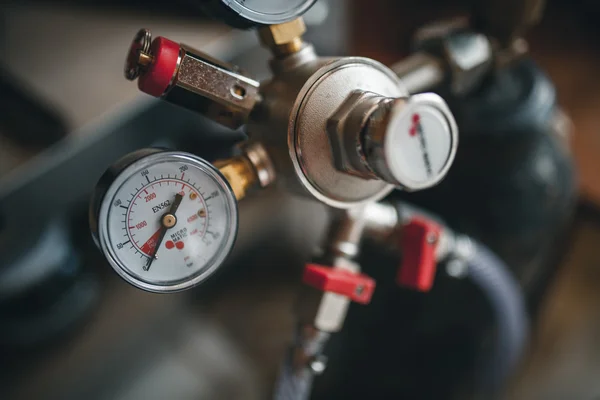
Gas detection equipment allows responders to track concentrations, ensuring containment measures remain effective. Continuous monitoring also helps responders identify changes in conditions, such as shifting wind directions or rising gas levels, which could pose new risks.
Post-Containment Actions
After the spill is contained, follow-up actions focus on documentation, analysis, and preparation for future incidents.
Documentation
Accurate documentation supports legal compliance and internal reviews. Key details to record include:
- The cause of the spill and materials involved.
- Containment and cleanup methods used.
- Observed environmental impacts, such as water contamination or soil damage.
These records are invaluable for regulatory reporting and improving future response strategies.
 Image Source
Prevention Planning
Lessons learned from the incident should guide updates to emergency response protocols. Facilities handling hazardous gases like chlorine can enhance preparedness by investing in advanced detection and containment systems, conducting regular personnel training, and assigning roles for deploying containment tools. These proactive measures reduce the likelihood of future spills and improve the effectiveness of the response.
Further Your Preparedness With Chemtech
Managing gas spills effectively starts with decisive action and thorough preparation. The first steps—assessing risks, securing responder safety, and deploying containment tools— mitigate harm and protect the environment. By prioritizing quick communication, accessible equipment, and team training, organizations can handle emergencies and reduce long-term risks. With the right tools and knowledge, teams can confidently address gas spill emergencies while minimizing their impact.
Are you ready to handle gas spill emergencies confidently? Contact Chemtech today for expert guidance on gas containment solutions and to ensure your team is equipped with the correct response. Reach out today!
About Author

Neel Daphtary
Neel Daphtary is the President of Chemtech International. He oversees sales, distribution and business development. He excels at helping pharmaceutical and manufacturing firms find the right processes and environmental solutions. Neel is an active member of Global Philadelphia, an organization committed to community development in PA.




Have Any Questions Or Comments?
Call Us For Help!
888-709-8070