
Chlorine valves are critical in any chlorine system, providing essential control and safety measures. Selecting the right valve is crucial for system efficiency, safety, and longevity. This guide will help you navigate chlorine valve selection, ensuring you make an informed decision for your specific needs.
Quick Takeaways
- Material composition is important for chlorine valve safety and durability
- Valve design impacts performance, safety, and ease of maintenance
- Valve type selection depends on specific application requirements
- Regular maintenance and proper installation are key to valve longevity
Material and Design Considerations
When it comes to chlorine valves, material selection is not just about durability—it’s a matter of safety and efficiency. The choice of materials directly impacts the valve’s ability to withstand chlorine’s corrosive nature and maintain system integrity.
Material Selection
The type of chlorine in your system – dry or wet – dictates the materials suitable for your valves:
- For Dry Chlorine (< 150 ppm water content):
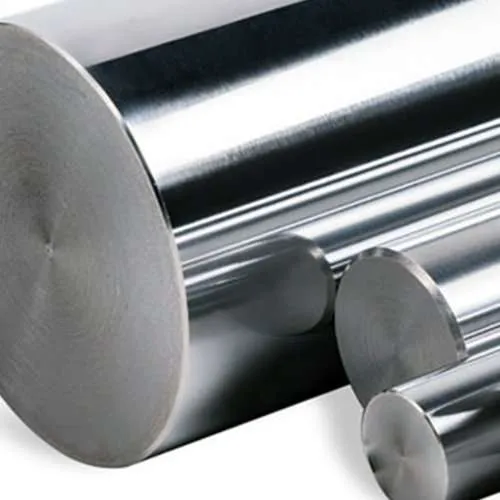
- Stainless steel
- Monel alloys
- Copper
- For Wet Chlorine (> 150 ppm water content):
- Titanium
- Fluoropolymer-lined materials
Note that materials suitable for dry chlorine may corrode when exposed to wet chlorine, even at lower temperatures. Always ensure your valve is rated for the specific type of chlorine in your system.
Types of Chlorine Valves
One must choose the right type of valve for optimal performance in a chlorine system. Here are the main types to consider:
Cylinder Chlorine Valves
Cylinder chlorine valves are specialized components designed for safe and efficient chlorine gas handling. Industry-leading valves incorporate several features to ensure reliable operation in various conditions.
- Material: One-piece Monel stem for durability and Aluminum Silicon Bronze (C64210) valve body for corrosion resistance
- Packing options: Choice of PTFE or Garlock 6130 for leak-resistant stem seal
- Safety feature: Equipped with CG-2 (165°F) fusible plug pressure relief device for cylinder protection
- Design features: Large wrench flats on valve body for easy installation
Standard Cylinder Chlorine Valves
Standard cylinder chlorine valves are designed for typical chlorine gas cylinders, featuring a 3/4″ NGT inlet thread and a CGA 660/820 outlet connection. These valves are equipped with a fusible plug pressure relief device that activates at 165°F, providing an additional safety feature. They typically have a flow coefficient (Cv) of about 0.733, suitable for the flow rates associated with standard cylinders. The valves incorporate a one-piece Monel stem and an Aluminum Silicon Bronze body for durability in corrosive chlorine environments, with options for PTFE or specialized packing materials to ensure a leak-resistant seal.
Ton Container Chlorine Valves
Ton container chlorine valves, designed for larger chlorine containers, share many similarities with their standard counterparts but have some key differences. These valves feature a higher flow capacity, with a Cv value of approximately 1.88, to accommodate the larger volume of chlorine in ton containers. Unlike standard cylinder valves, ton container valves do not include a pressure relief device. They maintain the same robust construction with Monel stems and Aluminum Silicon Bronze bodies and offer similar packing options. Both valve types are available with oversized thread combinations to extend the service life of their respective containers, and they share common specifications for working pressure, temperature range, and minimum cycle life.
 Image Source
Additional Chlorine Valves
Ball Valves
Ball valves are valued for their efficiency in high-flow applications but need careful consideration for chlorine use due to potential gas entrapment. Some advantages are:
- Ensure full flow when fully open
- Require pressure release component for chlorine applications
- Provide quick on/off operation
Butterfly Valves
Butterfly valves are popular in larger chlorine systems where space is limited, offering a good balance of flow control and compact design. Points of note include:
- Suitable for larger diameter pipework
- May require a soft seating seal for effective closure
- Offer low-pressure drop when fully open
Several key factors must be considered when selecting a valve. The system’s required flow rate will influence the valve size and type. Balancing these factors will help you choose a valve that meets your operational needs while maintaining safety and efficiency.
Factors Influencing Valve Selection
Beyond material and type, several other factors play a role in choosing the right chlorine valve:
Operating Conditions
- Temperature: Ensure the valve can withstand both the minimum and maximum temperatures in your system.
- Pressure Ratings: Select valves that exceed the maximum expected pressure in your system.
- Flow Coefficient: Choose a valve with an appropriate value for your required flow rate.
Manufacturing Quality
The manufacturing process significantly impacts valve reliability and performance. Look for:
- Automated Manufacturing: Ensures consistency and precision in valve production.
- Quality Control Measures: These include helium leak checking and infrared thermal imaging.
- Clean Manufacturing Environment: Minimizes contamination during production.
Practical Considerations
Installation and Maintenance
Proper installation and regular maintenance improve the longevity and performance of your chlorine valves. Ensuring correct installation by following manufacturer guidelines is the first step in maximizing efficiency.
Implementing a maintenance schedule is important for optimal valve performance. This should include routine inspections, cleanings, and part replacements as needed.
Cost
While it may be tempting to opt for cheaper valves, consider the long-term value. Higher-quality valves may cost more upfront but offer better performance and longevity. If you require multiple valves, consider exploring bulk purchase discounts, but never compromise on specifications to secure a lower price.
- Initial Cost vs. Long-term Value: Higher quality valves may cost more upfront but offer better performance and longevity.
- Bulk Purchase Discounts: Consider bulk purchases if you need multiple valves, but ensure they meet all your specifications.
Remember, the cost of valve failure extends far beyond the price of the valve itself. System downtime, product loss, and potential safety hazards can quickly dwarf any initial savings. When selecting chlorine valves, prioritizing quality over upfront costs is not just a financial decision but a safety consideration.
 Image Source
Selecting the Right Chlorine Valve with Chemtech
Selecting the suitable chlorine valve impacts your system’s safety, efficiency, and longevity. By considering factors such as material composition, valve design, type, operating conditions, and manufacturing quality, you can make an informed choice that best suits your needs. Remember, the cheapest option is rarely the best. In your selection process, prioritize safety, reliability, and long-term performance.
Contact Chemtech for expert guidance in choosing the right chlorine valves for your system. We provide valuable insights and help you navigate valve selection, ensuring you get the best solution for your specific application.
About Author

Neel Daphtary
Neel Daphtary is the President of Chemtech International. He oversees sales, distribution and business development. He excels at helping pharmaceutical and manufacturing firms find the right processes and environmental solutions. Neel is an active member of Global Philadelphia, an organization committed to community development in PA.


Have Any Questions Or Comments?
Call Us For Help!
888-709-8070