
Preparation, caution, and knowledge are three critical components of maintaining clean compressed gas valves.
With over 6,000 injuries and 30 deaths occurring annually from accidents related to compressed gas, you can’t afford to risk making mistakes.
In this brief guide, we cover everything from the gear you need to where you can find high-quality valves for your operations. Following these measures helps ensure safety and longevity.
Key Takeaways:
- Prioritize safety by using protective gear, establish a well-ventilated area, and carefully make an inspection before you clean compressed gas valves.
- Execute a thorough valve-cleaning routine, starting with surface debris removal and advancing to deep cleaning with appropriate agents, followed by meticulous rinsing and drying.
- After cleaning, carefully reassemble the valve and establish a regular maintenance schedule to ensure the valve’s longevity and optimal performance.
Part 1: Preparation Before Cleaning Compressed Gas Valves
The potential for chemical exposure and physical injury is high while cleaning compressed gas valves. Proper personal protective equipment is standard procedure. Start by wearing sturdy gloves to protect your hands from harsh chemicals and safety goggles to protect your eyes from splashes or flying debris. A face mask protects you from potent cleaning agents, especially if working in an enclosed space, as it helps prevent inhaling harmful fumes from cleaning materials.
Gather Cleaning Materials
Start with soft cloths, ensuring they’re gentle enough to avoid scratching the valve’s surface. Select a non-abrasive brush for initial dust removal. To prevent chemical damage, your cleaner should be mild and suitable for the valve material. Keep clean water ready for rinsing and a lint-free cloth for drying. Having these materials at hand simplifies the cleaning process.
Inspect the Valve
Before you clean compressed gas valves, inspect the parts for signs of wear, damage, or corrosion. Pay close attention to seals and connections, ensuring they are intact. Address any loose or damaged parts before cleaning. This inspection is vital in maintaining the valve’s functionality and ensuring safe cleaning. Identifying issues early can prevent more severe problems later.
Understand Safety Precautions for Handling Compressed Gases
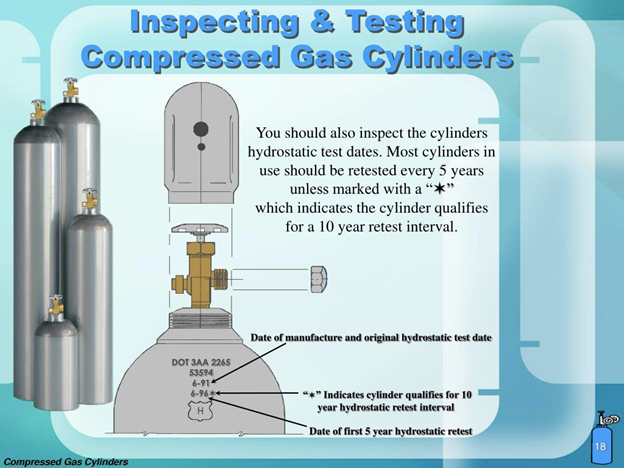
Handling compressed gases requires strict adherence to safety precautions to mitigate risks such as explosions, chemical exposure, and physical injuries. Here are essential guidelines:
- Read the label: Always check the label on compressed gas cylinders for proper identification. Never rely on cylinder color or cap labels, as these can be misleading.
- Use correct equipment: Ensure the cylinder has the appropriate regulator. Inspect the regulator and cylinder valves for contaminants like grease or oil, which can cause explosions.
- Secure storage: Using materials like chains or straps to store gas cylinders securely to prevent tipping. Keep cylinders out of public hallways and segregate them by hazard classes during storage.
- Safe transportation: When moving cylinders, use a cylinder cart and always have the protective cap covering the valve. Avoid dragging, sliding, or rolling cylinders, and never transport them with the regulator attached.
- Operational safety: Only trained personnel should handle compressed gas cylinders. Open valves slowly, back off pressure-adjusting screws before use, and never leave valves open when not in use to prevent contamination and corrosion.
Look for innovative safety features when purchasing compressed gas valves. For example, all Sherwood cylinder valves from Chemtech go through process controls and advanced inspections to ensure reliable, safe products.
Part 2: The Cleaning Process
Cleaning compressed gas valves requires precision and care. The process includes three main steps: initial cleaning, deep cleaning, and rinsing and drying. Each stage is vital to ensuring the valve’s functionality and longevity.
1. Initial Cleaning
Start by removing surface dust and debris. Gently sweep across the valve’s exterior using a soft brush or cloth. This step prevents dirt from scratching or embedding into the valve during the deep cleaning. Focus on dislodging visible particles, preparing the valve for a more thorough cleanse.
2. Deep Cleaning
Next, apply a mild, valve-safe cleaner to a soft cloth. Wipe the valve meticulously, reaching into crevices and around any seals. This stage removes built-up grime and residues that could impede the valve’s operation. A thorough cleaning is key to maintaining the valve’s efficiency and functionality, ensuring it operates smoothly and reliably over time.
3. Rinsing and Drying
Finally, rinse the valve with clean water if the design allows, ensuring no cleaning agent remains. After rinsing, thoroughly dry the valve with a lint-free cloth. This step helps to prevent moisture-related issues, such as corrosion or buildup, safeguarding the valve’s integrity and readiness for reassembly or use.
Part 3: Reassembly of Clean Compressed Gas Valves
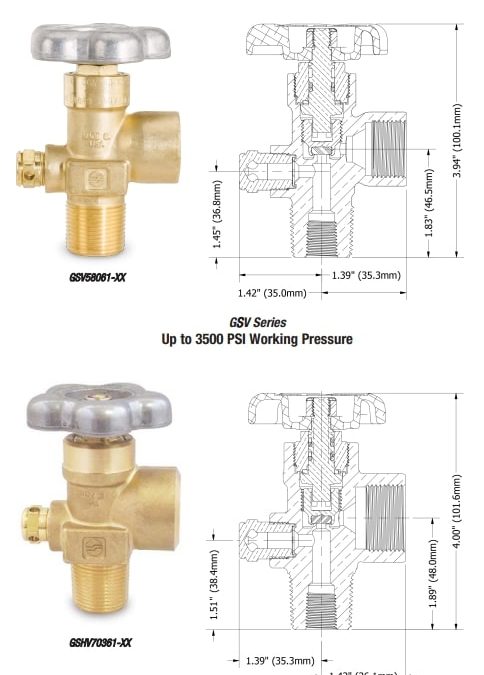
After thoroughly cleaning compressed gas valves, carefully place any disassembled parts and accessories back in their original positions. Ensure each component is correctly aligned and securely fastened, as improper reassembly can lead to leaks or malfunction. Pay special attention to the valve’s seals and connections, tightening them to the manufacturer’s specifications. Use a diagram like the one below to understand the components of each type of valve and how they work.
Maintenance Tips
After cleaning your compressed gas valves, incorporate these routine maintenance practices to maintain quality.
- Regularly inspect your valves for signs of wear or damage.
- Lubricate moving parts as recommended by the manufacturer.
- Keep a maintenance log, noting each cleaning and inspection date, along with any repairs or replacements.
- Store valves in a clean, dry environment to prevent corrosion and other environmental damage.
- Adjust the cleaning frequency based on the valve’s usage and operating conditions.
By adhering to these maintenance practices, you’ll extend the life of your compressed gas valves, ensuring they function safely and efficiently.
Learn More About How To Clean Compressed Gas Valves
Chemtech has over thirty years of experience specializing in high-quality products and technologies for the manufacturing, pharmaceutical, oil and gas, sustainability, and water treatment industries. As the preferred Sherwood Valve supplier in the compressed gas sector, you can trust us to provide safe, top-performance valves.
Get a free quote from Chemtech and learn more from experts about how to clean compressed gas valves.
About Author

Neel Daphtary
Neel Daphtary is the President of Chemtech International. He oversees sales, distribution and business development. He excels at helping pharmaceutical and manufacturing firms find the right processes and environmental solutions. Neel is an active member of Global Philadelphia, an organization committed to community development in PA.



Have Any Questions Or Comments?
Call Us For Help!
888-709-8070