
Chlorine is one substance that acts as the cornerstone of water treatment and disinfection processes in the modern times. Unobtrusively, it plays a crucial role in ensuring safe drinking water for billions of people worldwide. From municipal water treatment plants to industrial facilities, these pressurized containers of liquefied chlorine gas have changed how we protect public health through water sanitation for the better.
The Evolution of Water Treatment
Before the widespread adoption of chlorination, waterborne diseases like cholera and typhoid regularly ravaged communities well into the 20th century. The introduction of chlorine as a disinfectant marked a turning point in public health history. In 1908, Jersey City, NJ, became the first U.S. city to implement large-scale water chlorination. The results were impressive – within years, typhoid fever rates plummeted by 95% in cities that adopted chlorination.
Today, the U.S. Environmental Protection Agency (EPA) estimates that more than 98% of water treatment systems in America use some form of chlorine-based disinfection process.
How Does Chlorine Work?
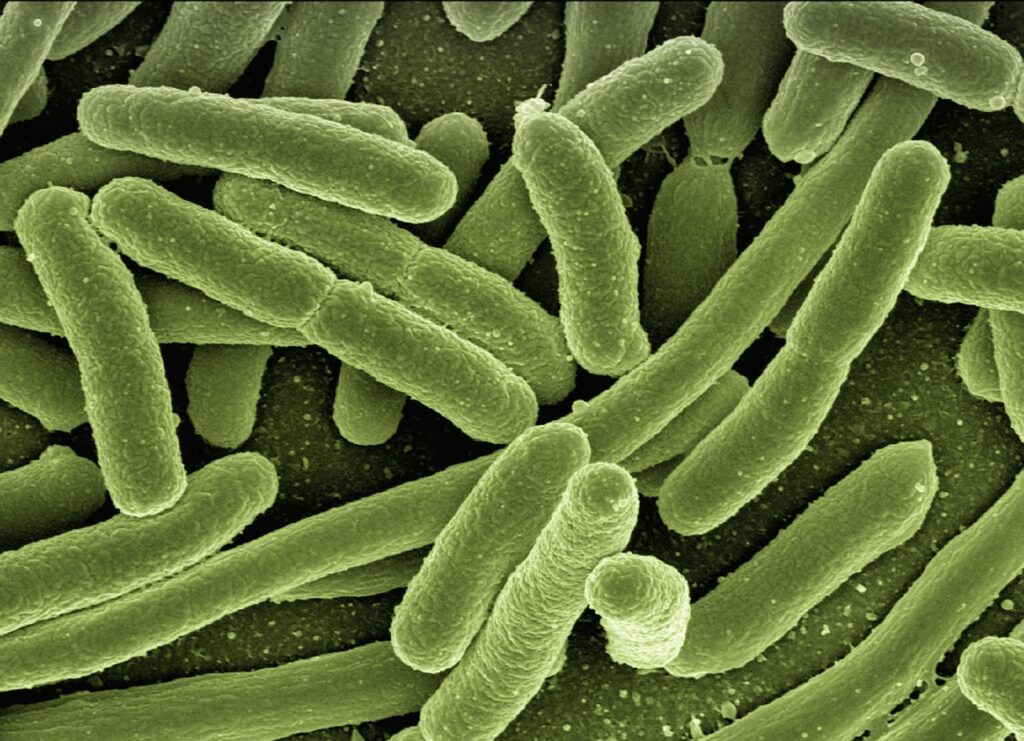
When chlorine is mixed with water in various forms (chlorine dioxide, for one), it forms hypochlorous acid (HOCl) and hypochlorite ions (OCl-), which act as powerful oxidizing agents. These compounds effectively neutralize harmful microorganisms such as viruses and bacteria by disrupting their cell membranes and impeding their metabolic processes.
The effectiveness (and consequently, the scale) of chlorination depends on several factors:
- Concentration of chlorine
- How long it stays in the water (contact time)
- pH levels of the water
- Temperature
- The amount and nature of organic matter
For example, the Metropolitan Water District of Southern California, which serves over 19 million people, maintains a precise chlorine residual of 2.5 mg/L throughout its vast distribution system. This ensures continuous protection against microbial contamination.
Chlorine is easily available and relatively inexpensive. However, due to its super-reactive nature under normal atmospheric conditions, we need to store it in a liquid form for it to be safely controlled.
This is where chlorine cylinders come in.
Understanding Chlorine Cylinders
Chlorine cylinders represent the safest, most efficient and cost-effective method of storing and delivering this vital disinfectant to various water treatment facilities and systems.

Chlorine cylinders are specifically designed vessels that contain chlorine in its liquid form under pressure. These cylinders typically come in various sizes, with standard capacities such as 150-pound cylinders for smaller operations and one-ton containers for medium-sized facilities and municipal systems.
These cylinders are made from high-grade steel and feature specialized valves and safety devices. When the chlorine is released, it transitions from the liquid to gaseous state, expanding approximately 460 times in volume. Now you know why chlorine cylinders are so incredibly efficient in storing large amounts of disinfecting capability in a relatively small space.
Real-World Applications
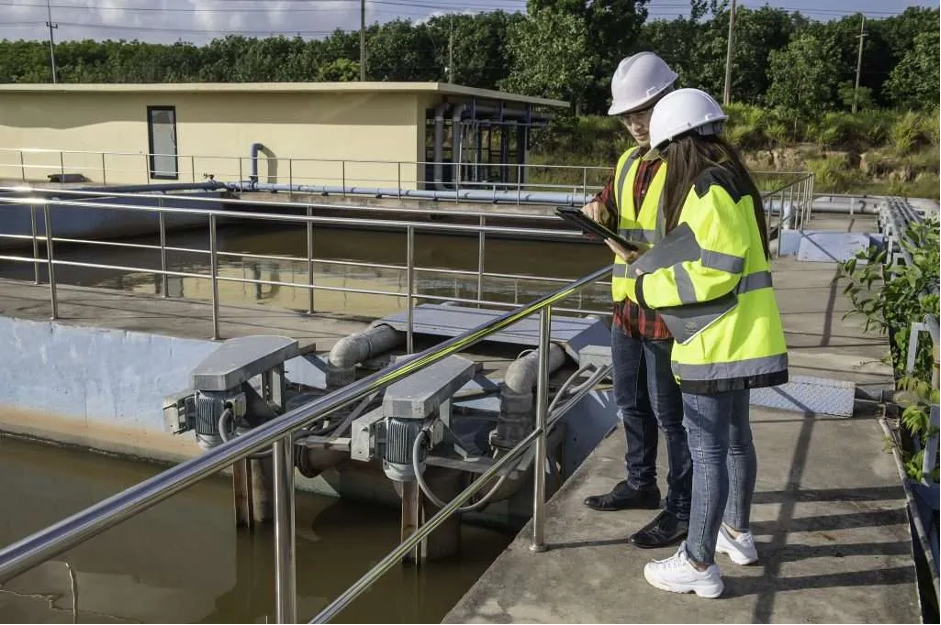
When you hear the term water treatment, the first thought that probably comes to your mind might be municipal purification plants for drinking water or sewage. And you wouldn’t be off the mark.
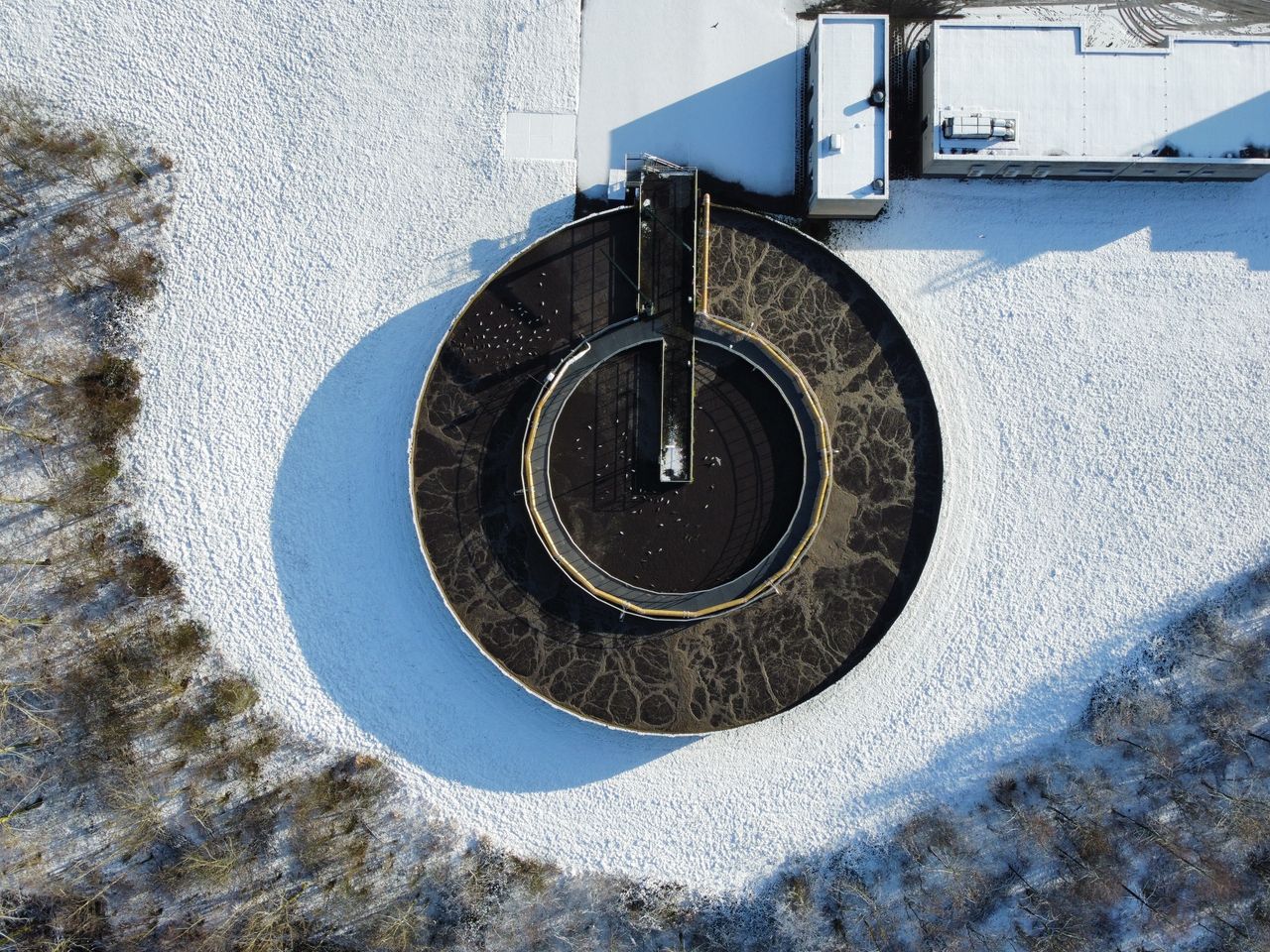
The City of Chicago’s Jardine Water Purification Plant, one of the largest water treatment facilities in the world, processes about a billion gallons of water every single day. The plant uses a sophisticated chlorination system that includes multiple one-ton chlorine cylinders operating in rotation. This setup ensures uninterrupted disinfection while allowing for cylinder changes and maintenance.
Commercial swimming pools represent another significant application. A standard Olympic-sized pool containing 660,000 gallons of water typically requires carefully controlled chlorination to maintain safe swimming conditions. Many facilities use 150-pound chlorine cylinders connected to automated feed systems to maintain proper sanitization levels.
Further, industrial water treatment is a wide field in which chlorine cylinders play a central role in several processes such as:
- Manufacturing of pesticides, rubber, plastics, solvents and pharmaceuticals
- Processing of wood pulp
- Disinfection of laboratory and pharma equipment
- Paper and fabric bleaching
The paper and pulp industry, for instance, uses chlorine dioxide generated from chlorine for bleaching wood pulp. A typical medium-sized paper mill might use several one-ton chlorine cylinders weekly for their bleaching operations.
Safety and Environmental Considerations
Remember, efficient storage is only half the battle won. Safe operation of chlorine is paramount. While chlorine cylinders are essential for water treatment, their use requires strict safety protocols and environmental considerations. Failing this, the results could be catastrophic:
Modern chlorine cylinders are used with accessories such as:
- Cradles with chain sling combinations to open the cylinders in the right way
- Masks and protective respiratory equipment
- Rubber gloves
- Protective clothing
The Chlorine Institute provides comprehensive guidelines for handling and storing chlorine cylinders, including:
- Regular inspection and maintenance requirements
- Proper storage conditions and temperature control
- Emergency response procedures
- Personal protective equipment specifications
Modern facilities often incorporate sophisticated leak detection systems and scrubbers to prevent any accidental releases. For example, the Las Vegas Valley Water District maintains a state-of-the-art chlorine handling facility that includes automated shutdown systems and a caustic scrubber capable of neutralizing an entire one-ton cylinder release in emergency situations.
Future Trends and Innovations
The water treatment industry continues to evolve, with new technologies emerging to complement traditional chlorine disinfection. Some notable developments include:
- Smart monitoring systems that optimize chlorine usage based on real-time water quality data
- Alternative disinfection methods such as UV treatment and ozone, often used in combination with chlorine
- More efficient chlorine delivery systems that minimize waste and improve safety.
However, chlorine cylinders remain the most cost-effective and reliable method for large-scale water disinfection, with an operational cost of approximately $0.05-0.15 per thousand gallons treated.
Meanwhile, chlorine cylinders continue to serve as a fundamental component of water treatment infrastructure. Their reliability, cost effectiveness and ease-of-use ensure their continued importance in water disinfection processes worldwide.
At Chemtech, we offer the complete range of chlorine cylinders from Norris, a 70-year old American manufacturer whose products are shipped to 80+ countries worldwide. Contact us to know more about choosing the right cylinders, valves, testing kits and safety products for your material handling and water treatment processes.
About Author

Neel Daphtary
Neel Daphtary is the President of Chemtech International. He oversees sales, distribution and business development. He excels at helping pharmaceutical and manufacturing firms find the right processes and environmental solutions. Neel is an active member of Global Philadelphia, an organization committed to community development in PA.

Have Any Questions Or Comments?
Call Us For Help!
888-709-8070