
Stormwater filters are essential for keeping runoff under control, protecting the environment, and staying compliant.
But among all of these, filters take a beating. Sediment builds up fast, debris clogs the system, and before you know it, your stormwater setup is underperforming (or worse, overflowing).
That’s why smart contractors, facility managers, and municipalities are turning to a surprisingly simple solution: drain pipe socks.
Also known as sock pipes or filter socks, these sleeves wrap around perforated pipes and act as the first line of defense for keeping gunk out, protecting your downstream filters, and saving you time, money, and headaches.
In this guide, we’ll break down:
- What a drain pipe sock is and how it works
- Why it’s a game-changer for stormwater filters
- How to use it properly
- Why products such as the Ultra Pipe Sock and Ultra Filter Socks are go-to options in industrial settings
First, let’s begin with understanding what drain pipe sock is in simple words.
What Is a Drain Pipe Sock (or Sock Pipe)?
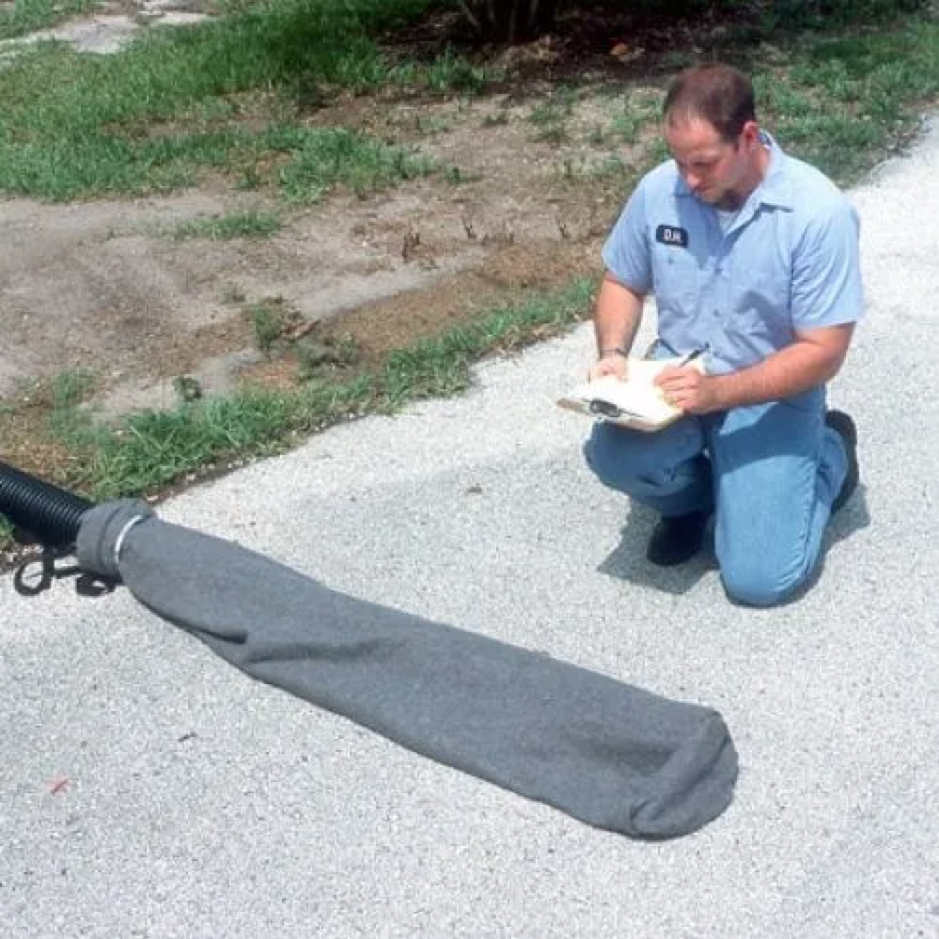
A drain pipe sock is a permeable, tubular sleeve. Basically a fabric filter that fits snugly around a perforated pipe.
Generally, a sock pipe is made of durable mesh (usually polyester, geotextile or nylon) that lets water through but catches sediments. Some models come with filter media inside (which could be compost, mulch or gravel) to boost pollutant trapping.
Sock pipes are flexible, easy to install, and built to take abuse from jobsite activity, weather, and runoff volume.
Drain pipe socks can be used with
- Corrugated pipes
- PVC stormwater lines
- Aluminum or steel drain pipes
Whether it’s buried in a trench or installed along a slope, a sock pipe helps protect the drainage system before sediment even has a chance to enter the pipe.
The good news is, products like the Ultra Filter Socks are purpose-built for this which is designed for strength, flexibility, and reliable performance across seasons.
Now that you know what drain pipe socks are, let’s understand how they impact stormwater filter life.
How Do Drain Pipe Socks Protect and Extend Stormwater Filter Life?
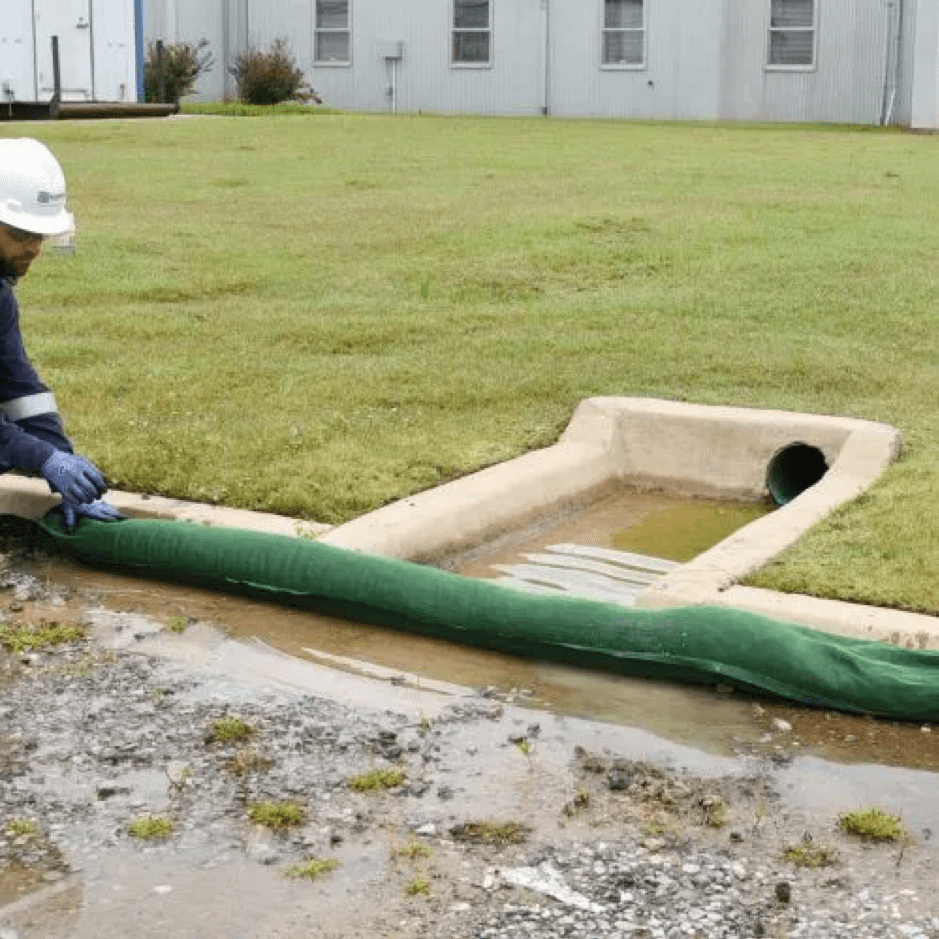
If you’re constantly cleaning or replacing your stormwater filters, chances are the issue is upstream, literally.
That’s where drain pipe socks do their best work.
Here’s how they help:
- Trap debris before it enters your system: Drain pipe socks catch fine sediment, silt, and small particles before they clog filters or underground chambers.
- Maintain water flow: By filtering at the source, they reduce backpressure and prevent the kind of slow-drain issues that lead to ponding or runoff overflow.
- Reduce filter maintenance cycles: Many sites have cut filter cleanouts from weekly to monthly just by installing sock pipes. And you will see this magic too when you start using drain pipe socks.
- Minimize or eliminate gravel backfill: In some installs, the sock performs so well you can skip the traditional gravel layer, cutting costs and installation time.
- Improve surrounding soil permeability: Finally, less sediment means less soil compaction. That’s a bonus for long-term drainage performance.
Being in the industry for many years and working with a wide range of clients, we’ve seen construction sites using Ultra Pipe Socks extend their stormwater filter lifespan by up to 4X, especially during high-rain seasons.
Major Benefits of Using Drain Pipe Socks
So, why are more contractors and stormwater engineers making drain pipe socks a staple in their BMP plans?
Simply because these socks check every box when it comes to performance, ease, and cost-efficiency.
Here are five major benefits of using drain pipe socks:
1. Cost Savings You Can See
Let’s start with the one benefit that speaks to every project manager – reduced costs. By catching debris before it clogs your downstream stormwater filters, drain pipe socks help extend filter life and reduce how often you need to clean or replace them.
It directly means fewer maintenance hours, fewer emergency calls, and far less money spent on filter repairs or replacements.
And by limiting erosion and soil displacement, you’re also cutting down on costly regrading or sediment cleanup jobs after a heavy storm.
2. Easy, Tool-Free Installation
Another reason crews love using sock pipes is how easy they are to install. You don’t need heavy equipment, clamps, adhesives, or complicated fittings.
Just slide the sock over your pipe like putting on a sleeve and it’s ready to go.
For crews trying to beat the rain or meet a tight timeline, this kind of plug-and-play simplicity is a huge plus.
3. Works Just About Anywhere
Whether you want to use it in suburban construction sites, large-scale agricultural fields or commercial facilities, drain pipe socks are surprisingly versatile.
So be it routing runoff from a rooftop drain or managing sediment along a utility corridor, these socks adapt well to the environment.
You’ll even see them used in municipal drainage systems and residential landscaping projects where sediment control is a concern.
4. Environmentally Friendly by Design
Beyond compliance, there’s a growing need to actually protect the environment. Drain pipe socks trap pollutants and debris before they ever reach rivers, lakes, or storm drains, making them a smart choice for eco-conscious contractors.
Better yet, many models today are built using biodegradable or recycled materials, adding sustainability to their already impressive performance.
5. Serious Erosion Control in Critical Areas
If you’ve got a site with high slopes, exposed soil, or frequent water runoff, erosion becomes a serious problem.
The good part is – drain pipe socks help prevent soil loss by slowing down water at the source and keeping sediment in place.
Whether you’re working on a highway project or a new housing development, erosion control socks can make a real difference in minimizing environmental damage and meeting compliance benchmarks.
Best Practices to Follow While Using a Drain Pipe Sock
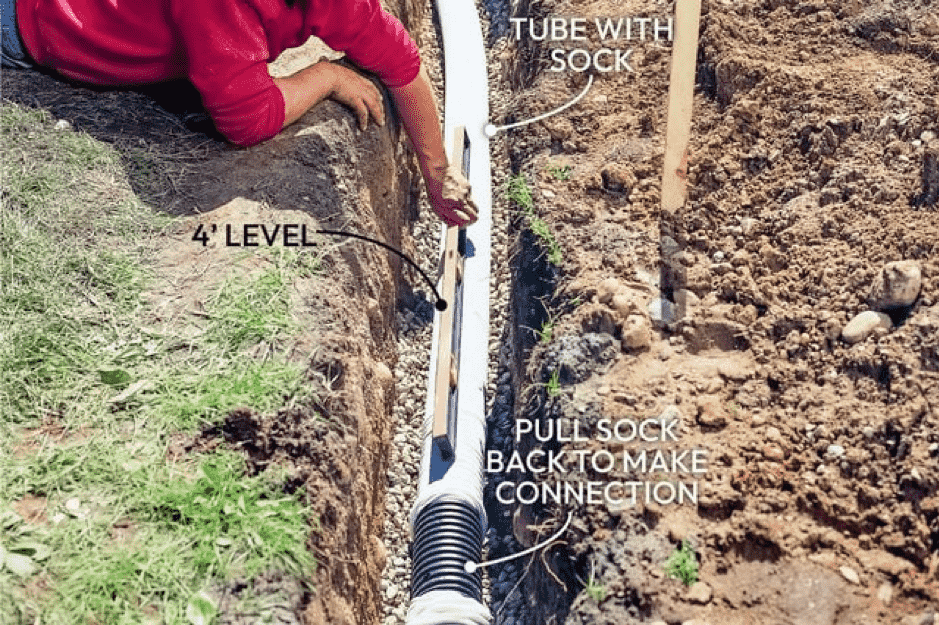
A quality sock pipe is only as good as how you use it. To get the best performance and the longest lifespan out of your drain pipe sock, make sure you’re following these tried-and-true best practices while you install your ground drainage system:
1. Place It Where It Matters Most
Strategic placement is key when it comes to placing a drain pipe sock. It’s always recommended to install your sock in areas with the highest risk of runoff or sediment movement like culverts, slope drains, ditch outflows, and near sensitive stormwater exits.
2. Inspect After Storms
Like any filtration tool, sock pipes need periodic attention. After heavy rain or significant water flow, take a few minutes to inspect the sock. If you notice visible sediment buildup or water pooling around the pipe, it’s probably time for a cleaning or adjustment.
3. Replace When It’s Full or Worn Out
Even the best quality socks aren’t meant to last forever. Most socks are reusable for a while, especially if rotated or cleaned regularly but once they get saturated with sediment or start showing wear, it’s better to replace them than risk system failure.
4. Size It Right from the Start
There’s no one-size-fits-all here. Make sure you’re matching the sock diameter and length to your pipe dimensions and expected sediment volume. Oversized socks can slip or sag, while undersized ones might tear or restrict flow and both of which defeat the purpose. So, choose wisely!
5. Layer It into Your BMP System
Remember, drain pipe socks shine when used as part of a multi-layered BMP strategy. So always combine them with silt fences, vegetative buffers, or erosion control blankets to create a more comprehensive filtration system.
Many professionals use these stormwater drain best practices to provide robust, site-specific sediment control that satisfies local regulators and minimizes long-term risk.
How Do Drain Pipe Socks Compare with Other BMPs?
Let’s say you’re comparing socks with other stormwater protection methods.
How do they stack up? Refer to the table below to get a better understanding:
| BMP Type | Strengths | Weaknesses |
| Silt Fences | Good for perimeter control | Require installation into soil; limited pipe protection |
| Catch Basin Filters | Great for inlets | Doesn’t stop sediment at the source |
| Wire Mesh Barriers | Inexpensive upfront | Harder to clean, less flexible |
| Drain Pipe Socks | Source-level filtration, reusable, and easy to install | Needs occasional rotation and inspection |
So while no single solution is perfect, drain pipe socks are one of the most cost-effective frontline defenses you can add.
Innovative Uses and Future Trends
The future of stormwater safety and management is smart, integrated, and eco-focused. And filter socks are evolving to keep up.
Here are some of the forthcoming innovations and trends we can see:
Smart Monitoring Systems: Some setups now include sensors that alert you when a sock is clogged or needs replacement.
Green Infrastructure Integration: Socks are being used in bioswales, rain gardens, and sustainable drainage systems.
Better Materials: New filter media are designed to trap not just sediment, but hydrocarbons, heavy metals, and even bacteria.
Eco-forward Products: Solutions like the Ultra Filter Socks are leading the way with high-performing, environmentally conscious materials.
Explore the Best Stormwater & Drain Management Solutions with Chemtech
If you’re still relying solely on downstream stormwater filters and reactive maintenance, you’re leaving performance and money on the table.
Drain pipe socks offer a low-effort, high-impact upgrade to your drainage strategy. They extend the life of your filters, keep your jobsite cleaner, and help you meet environmental compliance head-on.
At Chemtech, we understand the science of water runoff. This enables us to supply a huge range of stormwater safety products!
So if you are ready to take your stormwater protection seriously, get in touch to see how we can help!
About Author

Neel Daphtary
Neel Daphtary is the President of Chemtech International. He oversees sales, distribution and business development. He excels at helping pharmaceutical and manufacturing firms find the right processes and environmental solutions. Neel is an active member of Global Philadelphia, an organization committed to community development in PA.



Have Any Questions Or Comments?
Call Us For Help!
888-709-8070