
What happens to the invisible liquid toxins that your standard filters just can’t catch? It is the question that keeps facility managers up at night.
The reality is that nitrogen removal is easily the most complex hurdle we face in modern water management. So more than finding a better screen; it’s about managing a living system.
High ammonia levels don’t just kill fish, they trigger massive environmental “dead zones” that can land you with regulatory fines that will make your head spin.
In this guide, we dive deep into the nitrification of wastewater and why denitrification is the essential follow-up you can’t afford to skip.
Let’s look at how these biological systems actually keep our water safe.
Understanding The Biological Steps Of Nitrification Of Wastewater
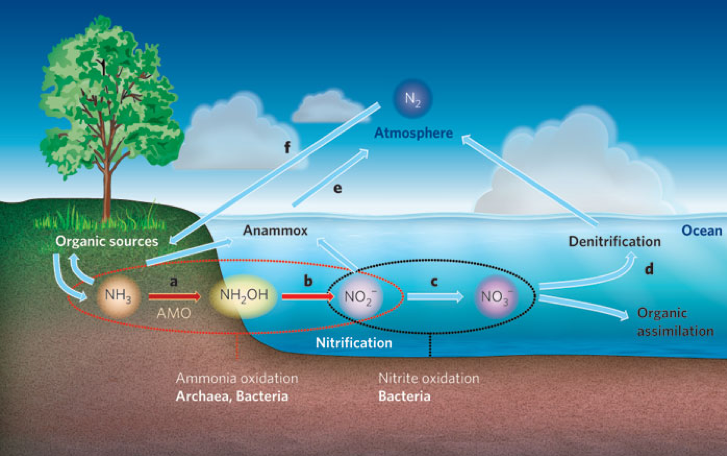
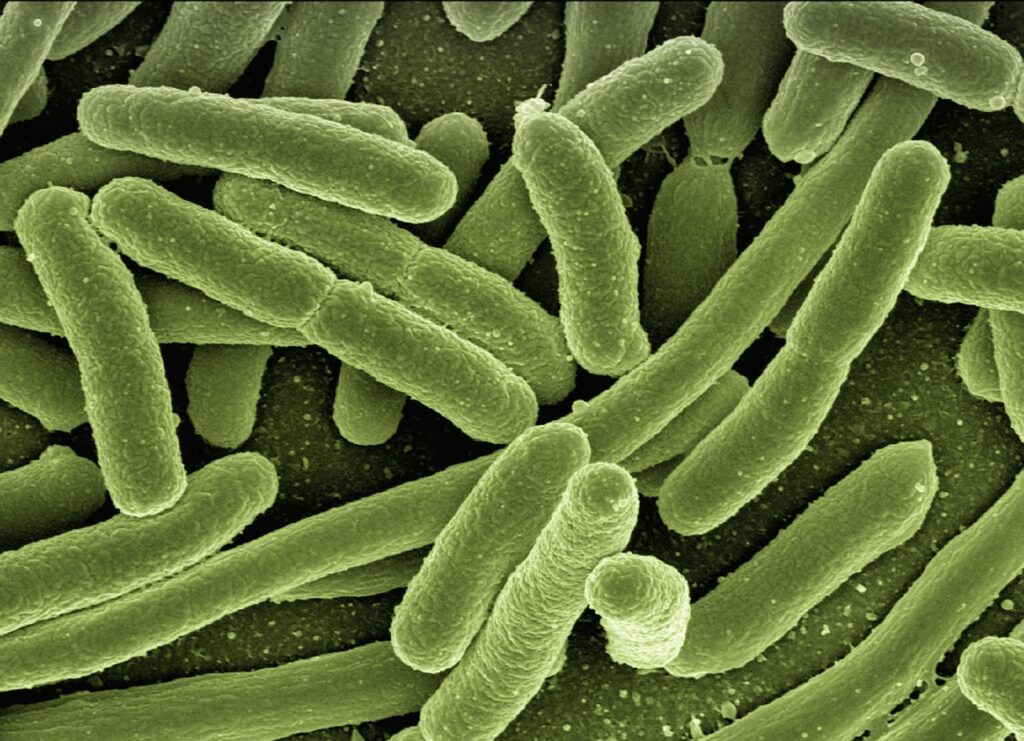
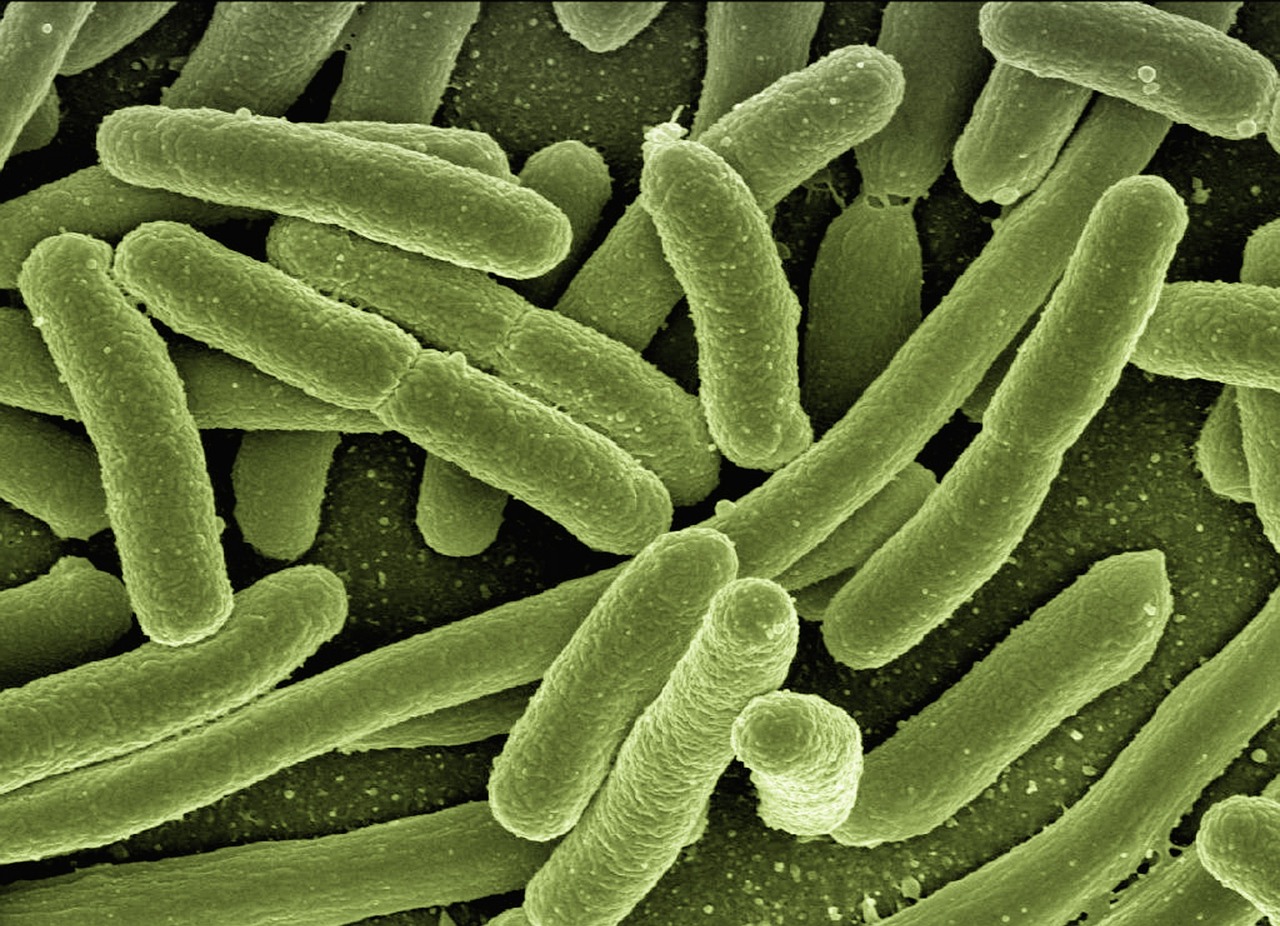
If you’re wondering why we need specialized bacteria to turn volatile ammonia into stable nitrates, think of it this way: raw ammonia is aggressive. To neutralize it, we rely on a specific workforce–mostly Nitrosomonas and Nitrobacter–to perform chemical stripping.
They break the bonds of the nitrogen molecule through oxidation. It’s a feat that traditional chemical additives honestly struggle to match at scale.
But how does a high-oxygen environment facilitate this two-stage microbial oxidation process? These bacteria are aerobic, meaning they’re oxygen-hungry.
If you don’t provide enough “breath” (dissolved oxygen), the conversion from NH3 to NO3 simply stops. We use that shift as a definitive marker of treatment efficiency. If your nitrates are rising and ammonia is dropping, your engine is firing.
👉 To stay in that sweet spot, you should be tracking the Parameters in Water Quality Analysis to ensure nitrogen species are moving in the right direction.
Why Denitrification Should Follow Nitrification of Wastewater

Well, even though nitrates aren’t as “instant-kill” as ammonia, they are basically high-octane fertilizer.
If you dump them into a river, you get massive algae blooms that suck the life out of the water. Denitrification is the “finish line” where we turn those liquid nitrates into a harmless gas.
So, how do bacteria strip oxygen from nitrate molecules when free oxygen is unavailable? This happens in what we call anoxic zones. When the “free” oxygen runs out, facultative bacteria get desperate; they start ripping oxygen atoms off the nitrate molecules just to survive.
That biological “breathing” is what triggers the final conversion into N2 gas, which just floats away into the atmosphere. It’s a masterclass in efficiency, and it’s all based on the principles we cover in Wastewater Treatment Using Bacteria.
What Environmental Factors Stop Nitrification of Wastewater From Working?
How do cold weather or acidic water conditions paralyze your nitrifying bacteria? These microbes are notoriously picky. Think of them like athletes; if the “weather” (temperature) or the “field” (pH) isn’t perfect, they just stop performing.
If your pH dips below 7.0, your nitrification of wastewater could grind to a halt in hours, leaving you with a major compliance headache.
And what about those inhibitory compounds? Industrial waste is often full of “poisons” like heavy metals or harsh solvents that can wipe out your colony overnight.
Then there’s the “sludge age”—the age of your biomass. If you’re wasting sludge too fast, these slow-growing nitrifiers don’t have time to reproduce. When things go south, you can start troubleshooting by reducing BOD and ammonia levels to plug leaks in the system.
Comparing Oxygen and Carbon Needs in Nitrification and Denitrification of Wastewater
Why do nitrifiers need inorganic carbon while denitrifiers require an organic carbon source like methanol? It comes down to their diet.
Nitrifiers are autotrophs, they “eat” CO2 or carbonates. Denitrifiers, however, are heterotrophs; they need a “fuel” like methanol or acetate to power the nitrate-to-gas conversion. If you don’t feed them right, the cycle breaks.
This is why there’s such a strict difference between aerated zones and anoxic zones in your plant. You can’t have them in the same tank at the same time.
Modern plants handle this by cycling water back and forth between these two stages. This internal recycling ensures the nitrates created in the air-rich tank get sent back to the oxygen-poor tank to be stripped down and finished.
How Efficient Is Your Nitrification Process?
Why is frequent testing the only way to catch a “nitrification crash” before it happens? Because by the time you smell the problem or see the fish float, it’s too late.
Real-time data is the only thing that lets you see ammonia levels creeping up while you still have time to adjust your blowers or your feed.
We suggest using Chemetrics Water Test Kits because you get lab-grade accuracy right there at the tank side and no waiting for a courier. This is just as critical for small operations, too.
Even if you’re just checking for seepage with a well water test kit, you need to know exactly what those nitrogen numbers are doing.
How to Improve the Rate of Denitrification

What can you do when your system’s natural bacteria can’t keep up with the nitrogen load? Sometimes the “wild” bugs just aren’t enough, especially during a seasonal spike or after a toxic hit.
That’s when we talk about bacterial augmentation—basically bringing in a “special forces” team of microbes to do the heavy lifting.
A product like Microbe-Lift N1 is perfect for this. It gives you the specialized microbes you need to kickstart a stalled system without waiting weeks for a natural colony to grow back.
Why is seeding with high-concentration probiotics the fastest way to hit your discharge permits? Because it cuts out the “lag phase” and gets your denitrification of wastewater back to 100% efficiency in a fraction of the time.
Mastering Biological Wastewater Treatment with Chemtech
At Chemtech, we’ve always believed that biological water treatment is as much an art as it is a science. You have to respect the microbes while maintaining the engineering precision needed for industrial limits.
Our team can help you navigate these complexities so you can run your plant with proactive instead of reactive measures. We don’t just ship you a pallet of chemicals; we provide the testing tools and the microbial powerhouses you need to manage the nitrification of wastewater successfully.
Microbe-Lift Nitrifier, a proprietary blend of Nitrosomonas and Nitrobacter strains, is our go-to solution to restore, enhance, and stabilize nitrification. It converts ammonia to nitrate quickly and efficiently — a direct answer to current industry standards and discharge permit limits.
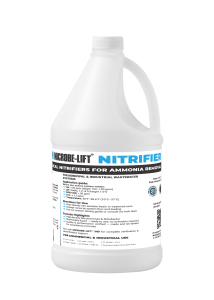
Once applied, it helps establish a nitrifying population, converting ammonia (NH₃) to nitrate (NO₃) to meet discharge permit limits.
Key Benefits
- Assured nitrification in aerobic systems
- Speeds up nitrification under suitable conditions
- Aids recover after common process upsets
- Helps reduce risk of ammonia (NH₃) violations
- No activation required
If you want to stabilize your water treatment plants and protect the environment with a precision-engineered ammonia removal strategy, get in touch with our team now!
About Author

Neel Daphtary
Neel Daphtary is the President of Chemtech International. He oversees sales, distribution and business development. He excels at helping pharmaceutical and manufacturing firms find the right processes and environmental solutions. Neel is an active member of Global Philadelphia, an organization committed to community development in PA.

Have Any Questions Or Comments?
Call Us For Help!
888-709-8070