
Vial trays are a vital, often overlooked, component in pharmaceutical manufacturing. These simple tools ensure the safe handling, transporting, and processing of medication-filled vials. This comprehensive guide will walk you through everything you need to know about vial trays.
Quick Takeaways
- Vial trays are essential tools in pharmaceutical manufacturing for the safe handling and processing of vials.
- Different types include vial loading trays, filling trays, vaccine trays, and syringe trays.
- Key features to consider are material durability, compatibility, and customization options.
- Choosing the right vial tray system maintains efficiency and product integrity.
Understanding the World of Vial Trays
Vial trays are specialized containers that securely hold vials during production stages. These trays serve multiple functions, from enhancing filling processes to ensuring safe transport. Additionally, they play a role in maintaining the integrity of medications and vaccines. Common trays include:
- Vial Loading Trays: Designed for initial production stages, these trays feature grid-like structures with individual compartments. They are often the first point of contact for vials in the production line.
- Vial Filling Trays: These trays are designed for the filling process and have precise dimensions for automated equipment alignment. They ensure the accurate and efficient filling of vials with medications.
- Vaccine Trays: Vaccine trays Include features like shock absorption and temperature control for delicate handling. Their specialized design maintains the efficacy of temperature-sensitive vaccines.
- Syringe Trays: Used alongside vial trays, syringe trays hold pre-filled or empty syringes during the filling process. While not strictly for vials, they are used in many pharmaceutical production lines.
Vial Loading Trays and Vial Filling Trays
Vial loading trays are versatile solutions for holding multiple vials during processing. They typically feature a grid-like structure with individual compartments. These trays are designed to accommodate various vial sizes and shapes, making them ideal for use in different stages of production. Some components of vial loading trays include:
- Sturdy construction to withstand frequent handling
- Smooth surfaces to prevent damage to vials
- Stackable design for efficient storage and transport
 Image Source
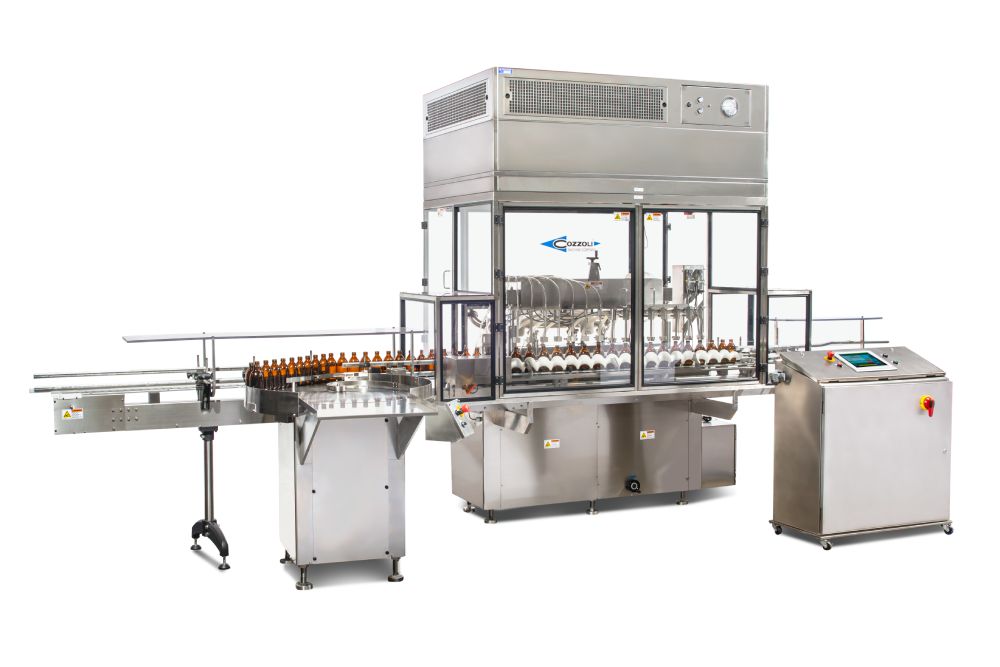
Vial filling trays, designed for automated processes, often include precise dimensions and positioning markers for accurate filling. These trays are engineered to work with automated filling machines, ensuring consistent medication dispensing. Some Important aspects of vial filling trays include:
- High precision in vial placement to match filling equipment
- Materials that can withstand exposure to various pharmaceutical compounds
- Easy integration with existing production line equipment
Vaccine Trays
Engineered to meet the requirements of vaccine production and distribution, these specialized trays incorporate features like temperature control or enhanced impact absorption to protect sensitive formulations.
Syringe Trays
While not strictly for vials, syringe trays pair with vial management systems. They hold pre-filled or empty syringes during filling, ensuring proper orientation and preventing damage. Syringe trays are used in production lines involving both vials and syringes, such as in manufacturing pre-filled syringes or vaccine administration kits. Some key features of syringe trays are:
- Specialized compartments to hold syringes securely
- Design elements to protect delicate components like needles
- Compatibility with sterilization processes
Components of Vial Tray Design
Modern vial tray systems incorporate several advanced features.
Material and Construction
Most high-quality vial trays feature durable polycarbonate construction that is resistant to scratches and corrosive substances. The smooth surfaces facilitate easy cleaning and maintenance.
Compatibility and Versatility
Leading vial tray designs are compatible with various vial-filling machines, allowing for versatile use. Many also provide exceptional stacking capability, optimizing storage space. Image Source
Customization Options
Many manufacturers offer customization options, such as removable dividers, adjustable compartments, or specialized coatings, to meet specific production needs.
Selecting a Vial Tray Solution
Choosing the right vial tray system is crucial for maintaining efficiency and product integrity in pharmaceutical manufacturing. When selecting vial trays, consider:
- Compatibility with existing equipment and processes
- Material durability and chemical resistance
- Stackability for efficient storage
- Ease of cleaning and sterilization
- Capacity and dimensions suitable for your specific vial sizes
It’s also important to assess the long-term scalability of your chosen tray system. Can it adapt without requiring a complete overhaul as production grows or changes?
When evaluating vial tray solutions, consider conducting trials with different options to assess their performance in your manufacturing environment. This approach can help identify potential issues or benefits.

Maintaining Vial Tray Performance
Proper maintenance of vial trays ensures their longevity and optimal performance in pharmaceutical manufacturing. Here are some best practices to keep in mind:
Regular Cleaning and Inspection
It is important to Implement a routine cleaning schedule for all vial trays. This should include:
- Thorough washing with appropriate cleaning solutions
- Visual inspection for signs of wear and damage
- Proper drying and storage
Sterilization Protocols
Vial trays often require regular sterilization to meet manufacturing standards. The sterilization method depends on the tray material. Heat-resistant trays can be sterilized using autoclaves, while gamma irradiation suits certain plastic trays. Chemical sterilization is an option for trays that cannot withstand high temperatures. The choice of method ensures proper sanitation while preserving the integrity of the trays.
Proper Handling and Storage
Train staff on the correct handling procedures for vial trays to minimize the risk of damage
- Use appropriate lifting techniques to prevent strain or dropping
- Store trays in clean, dry areas away from potential contaminants
- Avoid overloading trays beyond their specified capacity
Implementing a Replacement Schedule
Even with proper care, vial trays will eventually need replacement. Develop a proactive replacement schedule based on:
- Manufacturer recommendations
- Observed wear and tear in your specific environment
- Changes in production requirements or regulations
By following these maintenance best practices, you can extend the life of your vial trays, ensure consistent performance, and maintain the highest quality standards in your pharmaceutical production process.
Conclusion
Vial trays play a pivotal role in pharmaceutical manufacturing, ensuring safe and efficient medication handling throughout the production process. You can optimize your manufacturing processes by understanding the different types of trays available and their key features. As the pharmaceutical industry continues to evolve, investing in the right vial tray system will help you stay competitive and meet the growing demands of medication production.
Ready to upgrade your vial handling system? Contact Chemtech today for a personalized consultation on finding the perfect vial tray solution for your pharmaceutical manufacturing needs.
About Author

Neel Daphtary
Neel Daphtary is the President of Chemtech International. He oversees sales, distribution and business development. He excels at helping pharmaceutical and manufacturing firms find the right processes and environmental solutions. Neel is an active member of Global Philadelphia, an organization committed to community development in PA.



Have Any Questions Or Comments?
Call Us For Help!
888-709-8070