
Contamination is a top reason that the U.S. Food and Drug Administration recalls medicinal products. To combat the significant financial losses associated with recalls, you need lab solutions that streamline the manufacturing process for the pharmaceutical and biotech industries. Vial tray plastic products using high-quality polycarbonate and manufactured with strict adherence to FDA standards are the first step in securely filling, handling, and storing vials.
Key Takeaways:
- Plastic vial trays are durable and make filling and loading processes easier for pharmaceutical and biotech manufacturers.
- Accessories such as lids, dividers, inserts, and dust covers enhance functionality and safety.
- Quality trays are FDA-compliant and go through a rigorous quality control process.
The Role of Plastic Vial Trays in Filling and Loading Processes

With the demand for vialed medications rising since the pandemic, the need for plastic vial tray products to streamline the filling and loading processes also grows. Being composed of high-quality plastics ensures the trays can withstand the demands of industrial use. Their durability derives from their composition and formation, whether you are looking for injection molded trays or vacuum-formed loading trays. The lightweight nature of plastic vial trays facilitates easy handling and reduces physical strain during repetitive tasks.
These trays maintain structural integrity and performance over time, even under frequent contact with different substances. Common uses for vial trays in manufacturing include:
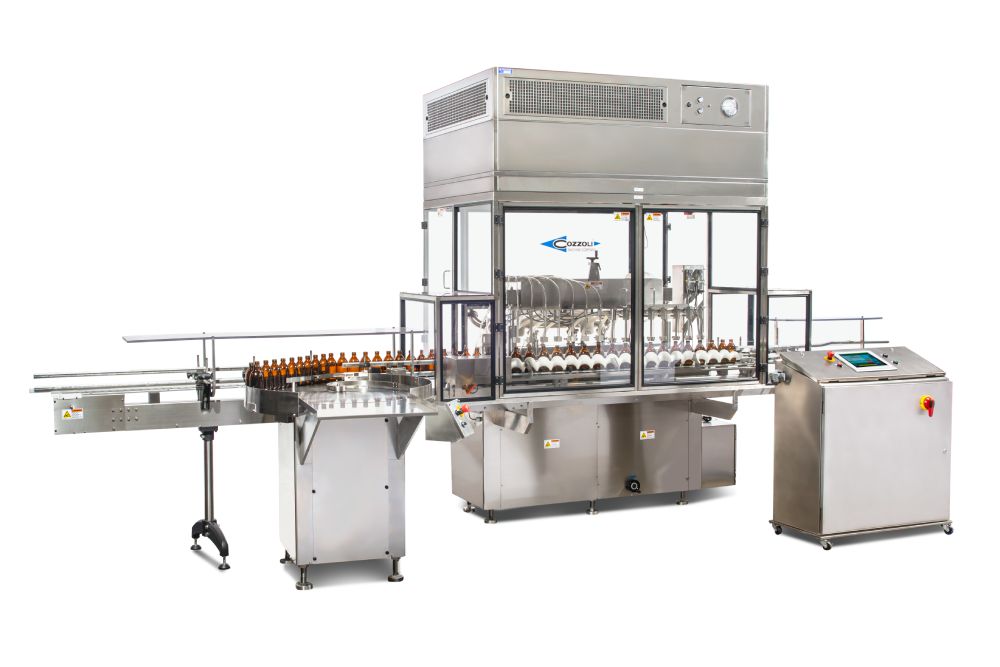
- An automated filling system for efficient and precise vial filling
- Manual loading and unloading of vials in small-scale production or lab settings
- Secure transport and storage, reducing breakage and contamination risks
- Vial containment during quality control checks and inspections
- Efficient management of large numbers of vials in high-throughput settings
Vial trays are necessary in the pharmaceutical and biotech industries. They blend functionality and practicality to ensure things run smoothly in these high-volume, demanding sectors.
Key Features and Innovations in Vial Tray Plastic Products
With advanced features that make handling, storage, and transportation easy and safe, plastic vial trays can enhance production. For example, Hurst injection molded trays have a three-sided design with a removable, easy-to-slide gate.
Other key features of patented pharmaceutical and biotech vial tray systems by Hurst include:
- Durable polycarbonate construction, resistant to scratches and corrosive substances
- Compatibility with various vial filling machines, adaptable to different production lines
- Exceptional stacking capability, maintaining structural integrity even under heavy loads
- Long lifespan, offering a significant cost benefit as a one-time investment
These features optimize workflow. For example, the injection molded trays have a non-porous, smooth surface that simplifies cleaning, contributing to a more efficient maintenance routine. The lightweight nature and side grips ensure ease of handling, significantly reducing physical strain during transport and organization.
Moreover, the structural stability of these trays makes them ideal for integration into automated machinery and robotic applications. The design contributes to the overall efficiency of your manufacturing cycle.
Accessories for Vial Trays
Accessories for vial trays can enhance their functionality for your specific project. Locking stainless steel lids are a key accessory, offering an additional layer of protection, keeping the vials in place and preventing accidental spillage or contamination.
Stainless steel dividers also ensure precise vial placement within the tray, facilitating an organized and efficient workflow. This exact placement is crucial for ease of access and maintaining the integrity of the vials during filling, storage, or transport.
For specific applications, stainless steel inserts for syringe suspension significantly enhance the tray’s versatility. These inserts allow for the safe and secure suspension of syringes, accommodating a broader range of pharmaceutical tools and equipment within the same space, thereby optimizing storage and accessibility.
Hurst trays offer clear and opaque dust covers to safeguard the vials from environmental contaminants. The choice between transparent and opaque covers provides flexibility based on the specific needs of the operation. A clear cover allows for easy visual inspection of the tray’s contents without removing it, while opaque covers offer protection from light-sensitive materials, ensuring the integrity of the vials’ contents.
Compliance and Safety Standards

The material composition of plastic vial trays is a key compliance aspect. Trays made from high-grade, non-reactive plastics, which resist chemicals and do not interact with the contents of the vials, prevent contamination and preserve the integrity of pharmaceutical products.
Manufacturers should adhere to current Good Manufacturing Practices when producing these trays, maintaining a high-quality control standard. They rigorously test each tray to meet industry standards, including those set by the FDA. This guarantees the safety of vial tray plastic products in critical environments. For example, Hurst plastic vial trays and systems adhere to FDA Title 21 C 176.170 regulations for quality and safety.
Maintenance and Longevity
Maintaining plastic vial trays is a straightforward process, and regular cleaning is key regardless of the type of material used. Use mild detergents and avoid abrasive materials to preserve the tray’s surface.
After washing, thoroughly dry the trays to prevent water spots or residue. Inspect them regularly for any signs of wear or damage, such as cracks or warping, which could compromise the safety and efficiency of your processes.
Store these trays in a cool, dry place away from direct sunlight to prevent any potential degradation of the plastic. With these simple care steps, you can extend the life of your plastic vial trays, maintaining a high standard of hygiene and efficiency in your laboratory or manufacturing facility.
Choosing the Right Vial Tray Plastic Products Supplier
Selecting the right supplier for plastic vial trays ensures quality, compliance, and efficiency in your pharmaceutical and biotech manufacturing processes. Chemtech, a leading supplier with 40 years of experience, exemplifies these standards.
Contact Chemtech for a custom quote on vial tray plastic products for your lab.
About Author

Neel Daphtary
Neel Daphtary is the President of Chemtech International. He oversees sales, distribution and business development. He excels at helping pharmaceutical and manufacturing firms find the right processes and environmental solutions. Neel is an active member of Global Philadelphia, an organization committed to community development in PA.



Have Any Questions Or Comments?
Call Us For Help!
888-709-8070