
CO2 cartridge valves are important to manufacturing, safety systems, and environmental controls. They regulate carbon dioxide release from pressurized cartridges, ensuring efficiency and safety in industrial applications. This guide explores CO2 cartridge valves, focusing on sustainable solutions and global manufacturing needs.
Quick Takeaways
- CO2 cartridge valves are vital in manufacturing and safety systems.
- Proper selection and maintenance ensure safe operation and regulatory compliance.
- The right valve optimizes CO2 flow while minimizing environmental impact.
- Various valve types cater to specific industrial needs.
What are CO2 Cartridge Valves?
CO2 cartridge valves control pressurized carbon dioxide release in manufacturing and environmental applications. They regulate CO2 flow, ensure safe gas release, prevent accidental discharge, and allow efficient cartridge replacement.
These valves have evolved from simple mechanisms to advanced systems. They now offer precise control over gas flow, meeting modern industry demands and environmental regulations.
Types of CO2 Cartridge Valves
There are many different types of CO2 valves to suit each and every application. In particular, CO2 cartridge valves have unique subsets to evaluate:
High-Pressure Industrial Valves
These valves are built for manufacturing and chemical processing. Their robust design allows continuous operation in harsh conditions, and their durability ensures reliable performance under extreme pressures and chemical exposure.
 Image Source
Precision-Threaded Valves
Designed for pharmaceutical and food industries, Precision-Threaded Valves valves offer high-precision gas release. They maintain exact CO2 levels in sensitive processes. Their construction meets strict hygiene standards for clean room compatibility.
Rapid-Deploy Safety Valves
These valves activate quickly, which is critical for emergency systems. They’re often used in fire suppression and spill containment. Their fast response protects personnel, equipment, and the environment from industrial hazards.
Variable Flow Industrial Valves
These valves allow adjustable CO2 output in manufacturing. Operators can control gas release rates for different processes. This flexibility optimizes resource use across diverse production needs.
Materials: Ensuring Durability and Safety
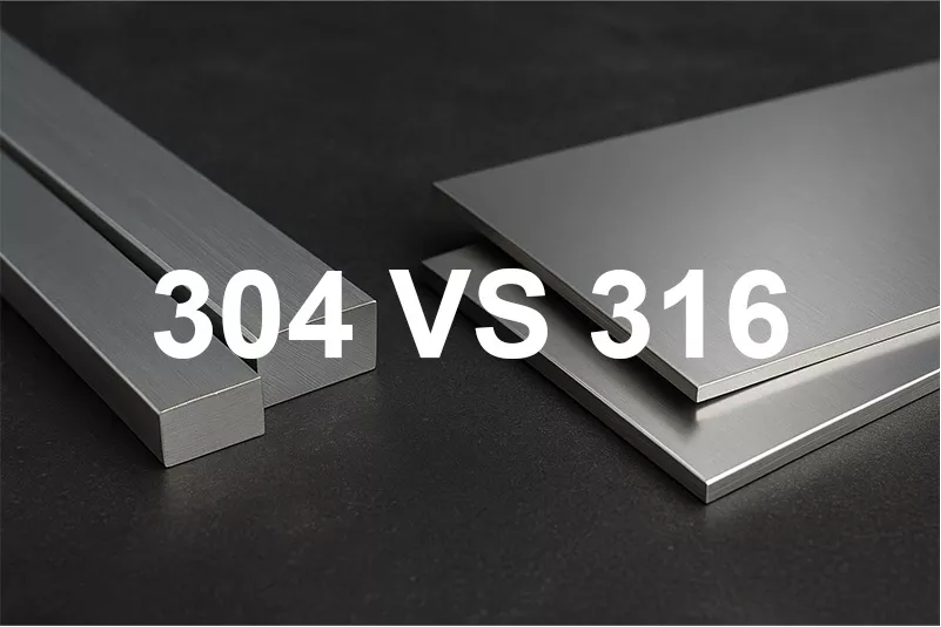
CO2 cartridge valves utilize a variety of materials to meet the needs of different applications. Among the most widely used materials are high-grade stainless steel and industrial-grade brass. Stainless steel is valued for its excellent corrosion resistance and strength, making it an ideal choice for demanding environments, particularly in the food and pharmaceutical industries. Its ability to withstand harsh cleaning agents and maintain its integrity under high pressure and temperature conditions makes it a top choice.
Industrial-grade brass, on the other hand, offers a combination of durability and cost-effectiveness. This makes it a popular choice in many manufacturing plants where cost is a factor. Brass valves are known for:
- excellent machinability
- thermal conductivity
- natural antimicrobial properties
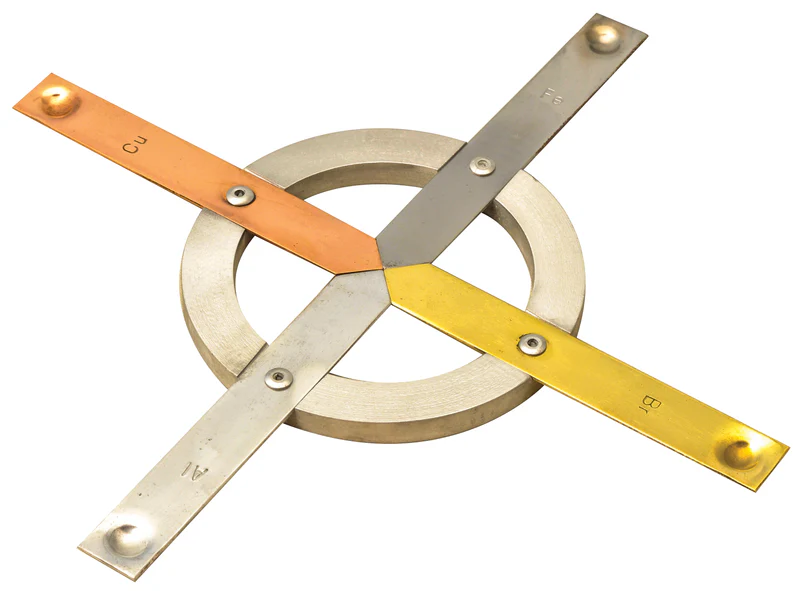 Image Source
In addition to these traditional materials, advanced polymer composites are increasingly being used to manufacture of CO2 cartridge valves. These materials offer unique advantages, particularly in specialized applications where weight reduction or extreme chemical resistance is required.
Advanced polymers can be engineered to meet specific conditions, allowing for tailored solutions for unique industrial challenges.The versatility of these materials allows engineers to design valves that meet very precise specifications, potentially offering improved performance, longer lifespan, or better efficiency compared to traditional materials.
Key Design Features
Effective CO2 cartridge valves include:
- High-integrity seals for zero gas leakage
- Extreme pressure ratings for industrial systems
- Fail-safe activation for emergencies
- Advanced safety features to prevent accidents
- Universal compatibility with global standards
- Wide temperature tolerance for various environments
Applications
Industrial CO2 cartridge valves have wide-ranging applications across various sectors. They are used in manufacturing processes, environmental systems, and safety equipment. These valves also play important roles in food and beverage production, pharmaceutical operations, and the oil and gas industry. Their versatility also makes them indispensable in industrial applications requiring precise gas control.
Best Practices for Usage
To maximize efficiency and safety, it is important to adhere to established best practices:
Install Properly
- Ensure correct alignment with existing systems
- Follow international standards for installation
Proper installation sets the foundation for optimal valve performance and system safety. It also helps prevent leaks, reduces maintenance needs, and ensures compliance with industry regulations.
Maintain Regularly
- Schedule checks for wear and damage
- Clean and service valves as recommended
Regular maintenance extends the life of your valves and prevents costly system failures. It also helps maintain optimal performance, ensuring consistent and reliable operation in your industrial processes.
Handle and Store Safely
- Keep in controlled environments
- Prevent damage to maintain system integrity
Safe handling and storage practices protect your investment and ensure reliable operation. They also help prevent accidents, maintain valve integrity, and extend the overall lifespan of your CO2 cartridge valve systems.
Dispose of Responsibly
- Recycle CO2 cartridges when possible
- Follow regulations for industrial material disposal
Responsible disposal practices protect the environment and ensure compliance with industry regulations. They also contribute to your company’s sustainability efforts and can potentially reduce waste management costs in the long run.

Choosing the Right Valve
Consider these factors when selecting an industrial CO2 cartridge valve:
- Specific industrial application
- Pressure and flow requirements
- Precision and control needs
- Operational frequency
- Environmental factors
These factors determine the most suitable valve for your operations. Each industrial setting has unique demands, and the right valve can significantly impact efficiency, safety, and compliance. By carefully evaluating these aspects and consulting with experienced suppliers, you can find a customized solution that optimally meets your industrial needs and enhances overall performance.
Enhance Your Industrial Operations with Chemtech
CO2 cartridge valves are key to efficient, safe, and compliant operations. Choosing the right valve improves processes, maintains safety, and supports sustainable practices.
The ideal valve solution streamlines operations, reduces risks, and boosts efficiency while meeting global standards. It is important to select the best option for your unique industrial needs.
Need expert guidance on industrial CO2 cartridge valves? Contact Chemtech today. We’ll help you find the perfect, sustainable solution for your CO2 requirements.
About Author

Neel Daphtary
Neel Daphtary is the President of Chemtech International. He oversees sales, distribution and business development. He excels at helping pharmaceutical and manufacturing firms find the right processes and environmental solutions. Neel is an active member of Global Philadelphia, an organization committed to community development in PA.



Have Any Questions Or Comments?
Call Us For Help!
888-709-8070