
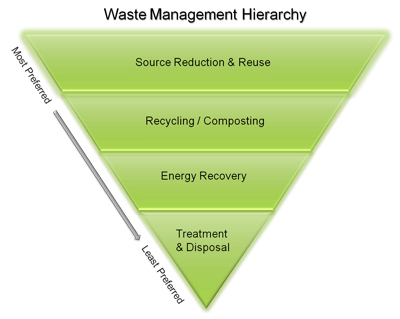
The circular economy is an economic system that minimizes waste and makes the most of resources. In a circular economy, resources are used for as long as possible, extracting maximum value before being recovered. Wastewater treatment facilities are evolving from waste management centers into resource recovery hubs.
This transformation represents a shift in how we view waste, turning treatment plants into valuable resource generators. In this article, we will explore how wastewater treatment plants maximize the circular economy.
Quick Takeaways
- Wastewater contains recoverable resources, including energy, nutrients, water, and valuable materials
- Circular systems reduce operational costs and environmental impact
- Resource recovery creates new revenue streams
- Modern technologies enable efficient resource extraction
- Implementation leads to significant sustainability improvements
Resource Recovery Opportunities
Wastewater treatment plants are evolving into hubs for resource recovery, going beyond waste disposal to help address global sustainability challenges. These facilities can unlock various opportunities to recover resources by adopting innovative methods.
Water Reuse Applications
Treated wastewater has many applications that contribute to a circular economy strategy. In agriculture, it provides sustainable irrigation, reducing dependency on freshwater. Various industries use reclaimed water for cooling systems and manufacturing processes, cutting costs and conserving resources. Additionally, urban areas adopt treated water for landscaping and flushing systems, helping cities achieve water sustainability.
Energy Generation
Biosolids are a byproduct of sludge in wastewater treatment and a resource for energy production. Processes like anaerobic digestion convert biosolids into biogas, which can power generators, heating systems, or even vehicles. Adding microbial products containing specialized bacteria and enzymes can enhance digestion, increasing biogas production and more efficient energy generation. Other methods, including incineration, transform these solids into renewable energy. These practices embody the circular economy by:
- Turning waste into energy
- reducing reliance on fossil fuels
- lowering carbon emissions
Nutrient Recovery
Agricultural nutrients such as phosphorus and nitrogen can be recovered from wastewater. Advanced techniques capture these elements and repurpose them as fertilizers. Incorporating carefully formulated microbial solutions can boost the breakdown of stubborn compounds, enhancing nutrient recovery and minimizing reliance on synthetic fertilizers.
This approach reduces the need for artificial fertilizers and minimizes nutrient pollution. By recovering these nutrients, wastewater facilities demonstrate the circular economy, turning waste into agricultural input.
Implementation Strategies
Implementing sustainable practices in wastewater treatment involves adopting advanced technologies, upgrading existing infrastructure, and fostering collaboration.
Technology Integration
Advanced technologies drive resource recovery in wastewater facilities. Anaerobic digesters produce biogas from biosolids, while filtration systems and nutrient recovery units transform waste into usable water and fertilizers. Unique chemical and bacteria delivery systems are continually being developed, while digital tools like smart sensors and automation systems enhance monitoring processes, ensuring optimal performance and cost savings.
Infrastructure Adaptation
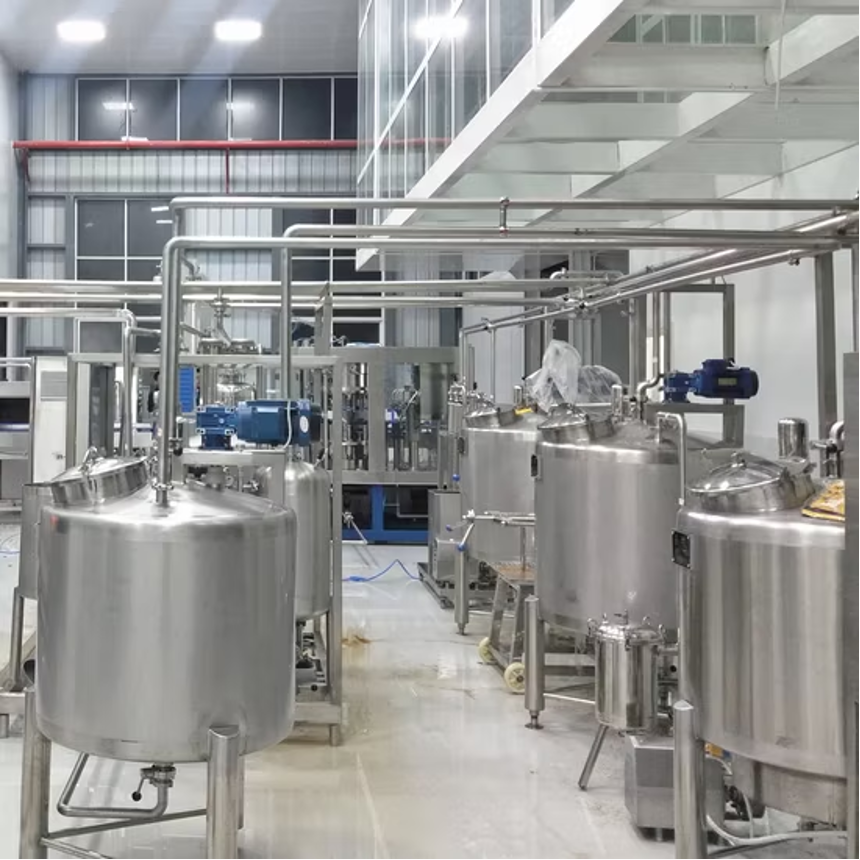
Infrastructure upgrades are essential for optimizing a sustainable resource return. Retrofitting facilities with energy-efficient equipment, nutrient recovery units, and water reuse systems modernize operations. Modular designs allow plants to scale up as recovery needs grow, ensuring flexibility and future readiness. Strategic adaptations maximize resource recovery while reducing environmental impact.
To further enhance the effectiveness of these infrastructure upgrades, wastewater treatment facilities should:
- Implement advanced monitoring systems
- Invest in staff training
- Foster partnerships with technology providers
 Image Source
Collaboration and Partnerships
Implementing circular economy practices in wastewater treatment often requires collaboration and partnerships with other industries, municipalities, and research institutions. By working together, stakeholders can create new opportunities for resource exchange and value creation.
Working together, stakeholders can:
- Share knowledge and resources
- Accelerate the adoption of circular solutions
- Create new opportunities for resource exchange
- Drive value creation
Economic Benefits
Resource recovery in wastewater treatment reduces costs and creates new revenue opportunities, strengthening treatment facilities’ financial sustainability.
Cost Reduction
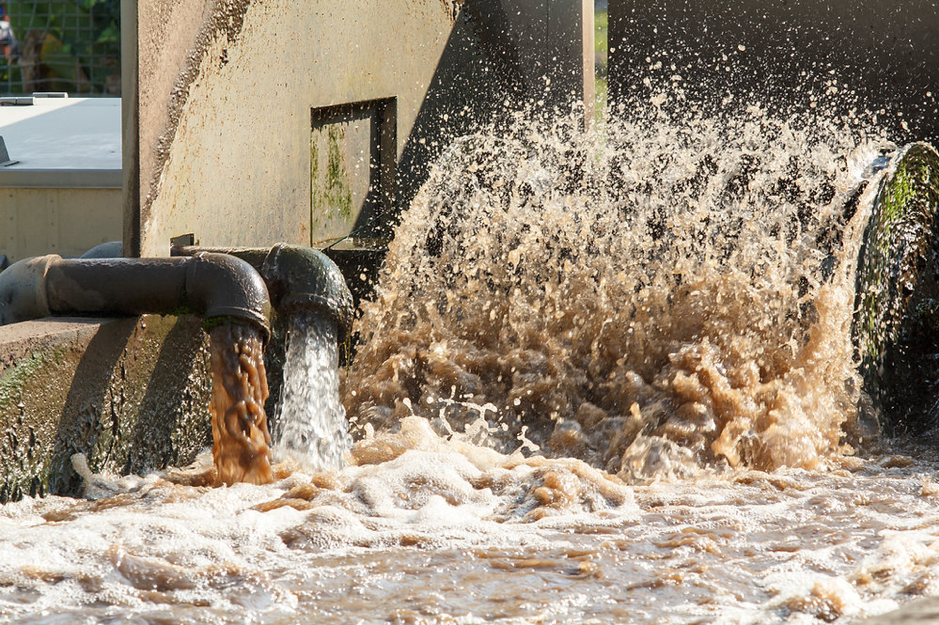
Technologies like anaerobic digesters and nutrient recovery systems minimize waste disposal expenses and lower energy consumption. Water reuse systems reduce the need for freshwater intake, saving costs in industrial and municipal applications. These measures optimize resource utilization, allowing facilities to operate more cost-effectively.
For example, the East Bay Municipal Utility District in Oakland, California, implemented a food waste-to-energy program that has significantly reduced the facility’s energy costs while diverting food waste from landfills.
 Image Source
Revenue Generation
Recovered resources provide new income for wastewater treatment facilities. Biogas produced from biosolids can be sold as renewable energy, while nutrients such as phosphorus and nitrogen can be processed into fertilizers for agricultural markets. Treated water can be marketed for irrigation or industrial use, turning what was once waste into a valuable product.
By capitalizing on these opportunities, facilities can enhance their financial performance and support sustainable growth.
Future Implications
Technological advancements and a growing focus on sustainability shape the future of wastewater treatment. These developments position the industry to address global environmental challenges.
Technological Advancements and Integration
Emerging technologies such as advanced membrane filtration, carbon capture systems, and AI-driven analytics are transforming wastewater treatment. As the circular economy gains momentum, wastewater treatment facilities will become even more integrated with other sectors. These relationships will create opportunities for energy savings across many different industries.

Modern wastewater treatment significantly contributes to environmental protection and global sustainability goals by:
- reducing waste
- recovering resources
- lowering pollution levels
- decreasing reliance on non-renewable resources
- generating energy from biosolids
- promoting water reuse initiatives
These efforts enhance local ecosystems and align with broader sustainability targets, fostering long-term environmental and economic resilience.
Continue Your Journey With Chemtech
Integrating circular economy principles in wastewater treatment represents a step toward sustainable resource management. Modern wastewater facilities transform waste into opportunities by recovering valuable resources, reducing environmental impact, and generating economic benefits. As technologies advance and collaborations grow, the wastewater treatment industry will play an increasingly important role in building a more circular, sustainable future.
Are you ready to explore circular economy solutions? Connect with Chemtech to discuss implementation strategies tailored to your needs. Contact us today!
About Author

Neel Daphtary
Neel Daphtary is the President of Chemtech International. He oversees sales, distribution and business development. He excels at helping pharmaceutical and manufacturing firms find the right processes and environmental solutions. Neel is an active member of Global Philadelphia, an organization committed to community development in PA.


Have Any Questions Or Comments?
Call Us For Help!
888-709-8070