
Safety protocols exist for a reason, yet incidents involving hazardous materials continue to occur across industries. Understanding common mistakes in handling dangerous substances and responding to spills can help prevent accidents and ensure proper emergency response.
When responding to hazardous material spills, there’s a right way and a wrong way. While these kinds of incidents tend to be rare, some companies are inexperienced when it comes to implementing an effective response to hazardous material spills. There’s always a chance that something could wrong in the future, leaving many companies woefully unprepared to clean up the mess. If you want to improve your company’s response protocol for hazardous spills, take a look at some of the most common hazardous material handling errors and their potential consequences.
Using the Wrong Spill Containment Products
Many companies simply use the wrong spill containment products for their industry. The EPA lays clear rules and regulations for oil spill containment, and the Department of Labor has their own regulations for hazardous material spill containment, so companies will need to do their research to make sure they are in full compliance with all federal regulations.
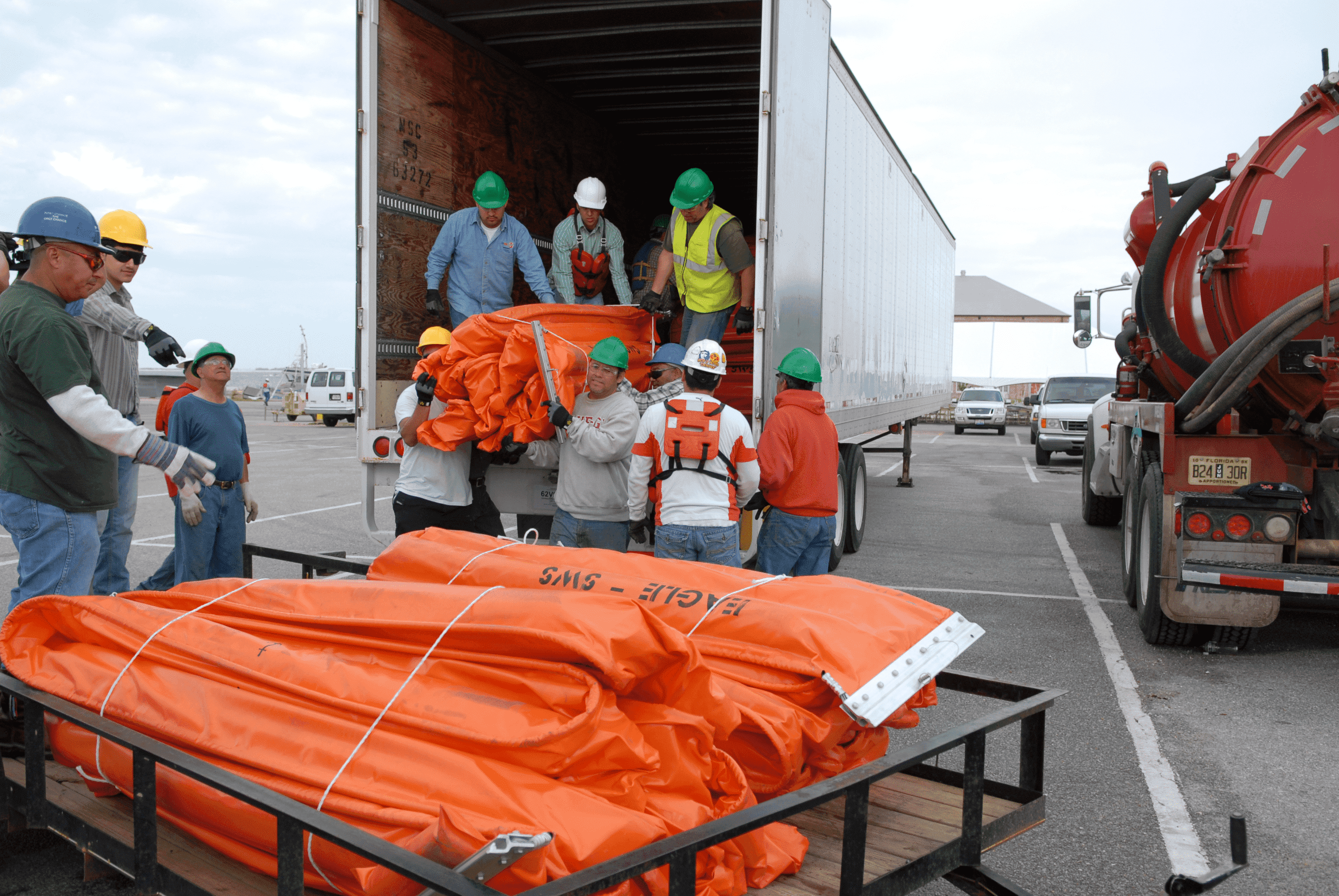
Some companies will try to save money and use subpar containment methods or spill guards, leaving them vulnerable to lawsuits and penalties from the federal government. These containment methods might cost less, but they aren’t properly suited to safeguarding certain hazardous materials. They might be made with the wrong materials or they might not properly dispose of the hazardous substance. Companies might also try to reuse these containment methods until they find out that they’re only suitable for one-time use. Certain chemicals and acids can wear away at the lining of some containment products, rendering them effectively useless.
Improper Identification & Labeling
Poor labeling, training and communications can amplify dangers in hazardous material handling. All hazardous materials — including secondary containers as well as temporary storage locations — must be clearly identified with appropriate warning labels and safety data sheets.
Also, workers need to know exactly who to contact and how to reach them when incidents occur. A proper emergency response mandates the presence of clear communication channels. All contact information should be prominently displayed at multiple places and regularly updated.
Not Using Adequate Personal Protective Equipment (PPE)
The most fundamental and critical error in handling hazardous materials is failing to use appropriate PPE according to standards and regulations for your industry. Workers sometimes become complacent, especially during routine tasks, and may skip wearing proper protective gear correctly. Even when workers do use PPE, they might wear it incorrectly or use damaged equipment that provides inadequate protection. Such dangerous oversight can result in physical injuries, chemical burns, respiratory problems, cuts and wounds, or long-term health issues.
Not Implementing a Fast-Acting Solution
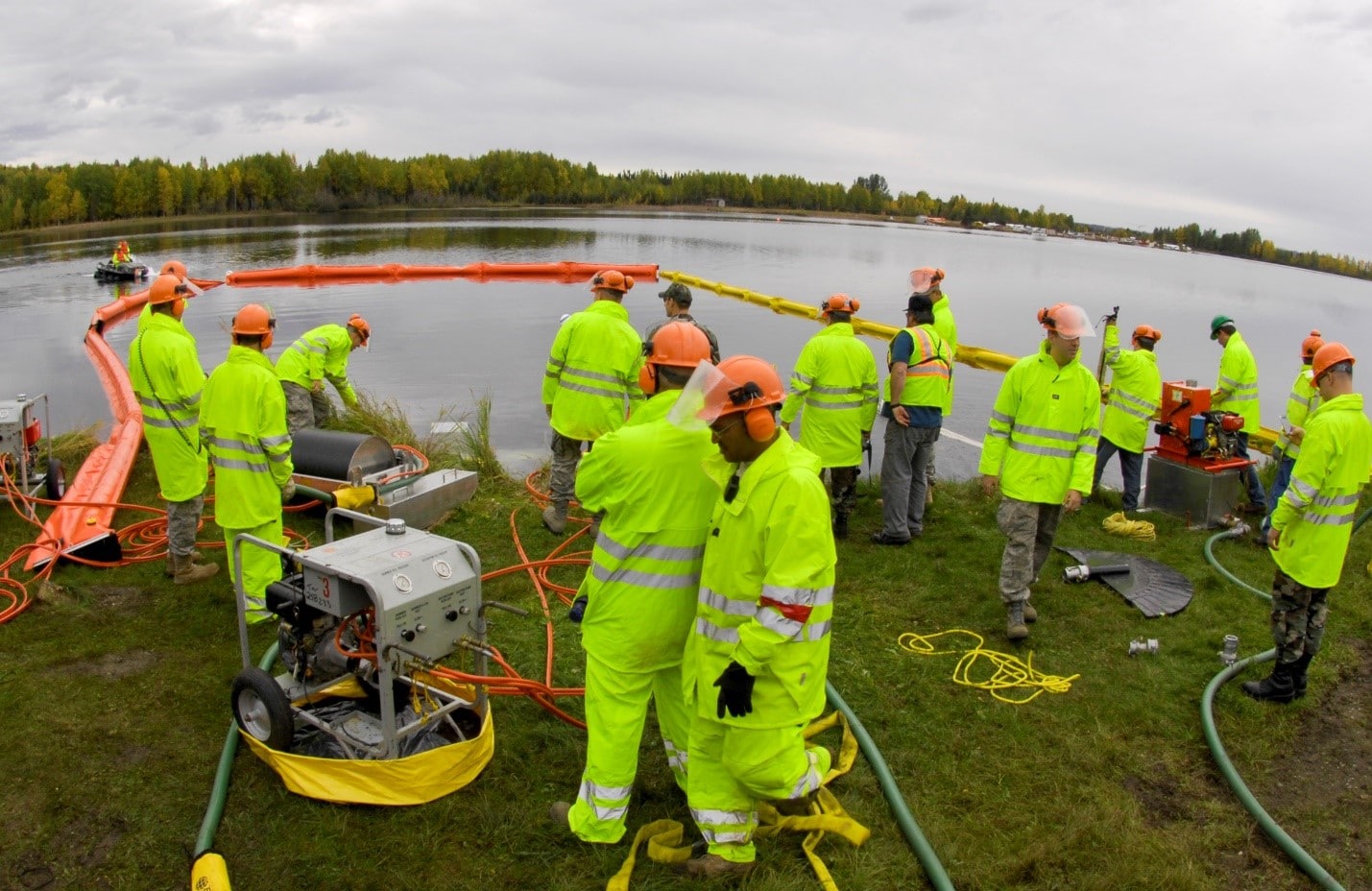 Even if the company uses the right containment supplies and products, they might not be easily deployable. When a spill occurs, the company and its employees need to act immediately. That means they should have the right containment and cleanup supplies onsite and ready to go. These containment methods should be fully portable and easy to setup. Every second matters when responding to a hazardous material spill, so it’s best to with go with types of containment that are both easily accessible and durable.
Potential Consequences
If a company fails to use the right containment methods or doesn’t implement a fast-acting response strategy, the consequences can be dire.
- Lawsuit from Members of the Community
It’s not just the federal government that you need to watch out for. Residents from the local community will also take issue with your handling of hazardous materials and they could file a lawsuit as a result, costing your company potentially hundreds of millions of dollars. - Penalty from the EPA
The EPA has some strict enforcement policies in place to protect the environment and the residents that inhabit it. Your company could face a costly lawsuit or penalty from the federal government unless you implement the right hazardous spill containment policies - Tarnished Company Reputation
Putting these added expenses aside, there’s also the public humiliation that goes along with improperly responding to hazardous spills. Social media and the press are there to hold companies accountable for their mistakes.
Don’t leave your company vulnerable to penalties and lawsuits. Know your environmental responsibilities, follow the golden rules of hazardous material handling, and use proper spill containment methods for your company.
About Author

Neel Daphtary
Neel Daphtary is the President of Chemtech International. He oversees sales, distribution and business development. He excels at helping pharmaceutical and manufacturing firms find the right processes and environmental solutions. Neel is an active member of Global Philadelphia, an organization committed to community development in PA.




Have Any Questions Or Comments?
Call Us For Help!
888-709-8070