
Adequate wastewater treatment is needed for environmental protection and public health. This complex process ensures that used water is safely returned to the environment. Let’s explore the intricacies of wastewater treatment, its stages, technologies, and significance in maintaining ecological balance and community well-being.
Quick Takeaways
- Wastewater treatment is crucial for environmental protection, public health, and water conservation.
- The treatment process involves four main stages: preliminary, primary, secondary, and tertiary.
- Advanced technologies, including microbial solutions, are vital in improving treatment efficiency.
- Microorganisms are essential in breaking down organic matter and reducing odors in wastewater.
- Effective wastewater treatment has wide-ranging applications across various industries, from food processing to agriculture.
The Fundamentals of Wastewater Treatment
Wastewater treatment plays an important role in environmental protection and public health. Safeguarding water bodies and aquatic life from pollution maintains the delicate balance of our ecosystems.
Moreover, the treatment process eliminates pathogens, significantly reducing the risk of waterborne diseases and ensuring the safety of our communities. This approach to water management also supports water resource conservation, as treated wastewater can be reused, helping to preserve our precious freshwater resources. Wastewater treatment:
- Protects ecosystems and public health
- Conserves water resources
- Ensures regulatory compliance
- Improves community living conditions

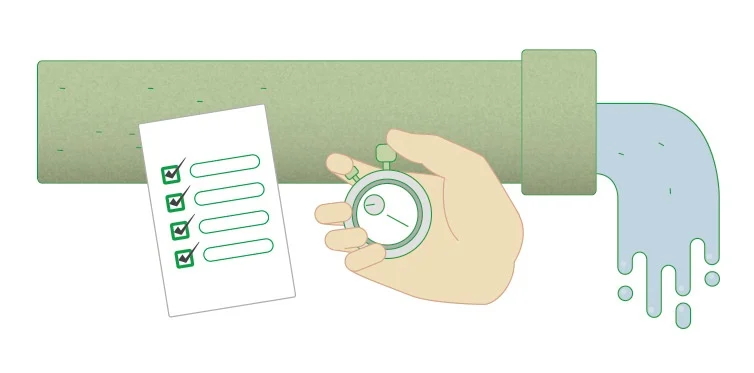
Another key aspect of wastewater treatment is its contribution to regulatory compliance and quality of life. Treatment facilities help industries and municipalities meet their legal obligations by ensuring compliance with environmental laws and standards. Effective treatment significantly reduces unpleasant odors associated with wastewater, improving the quality of life in surrounding areas. Multi-industry compliance drives both the need for and advancement of wastewater treatment.
The Basic Treatment Process
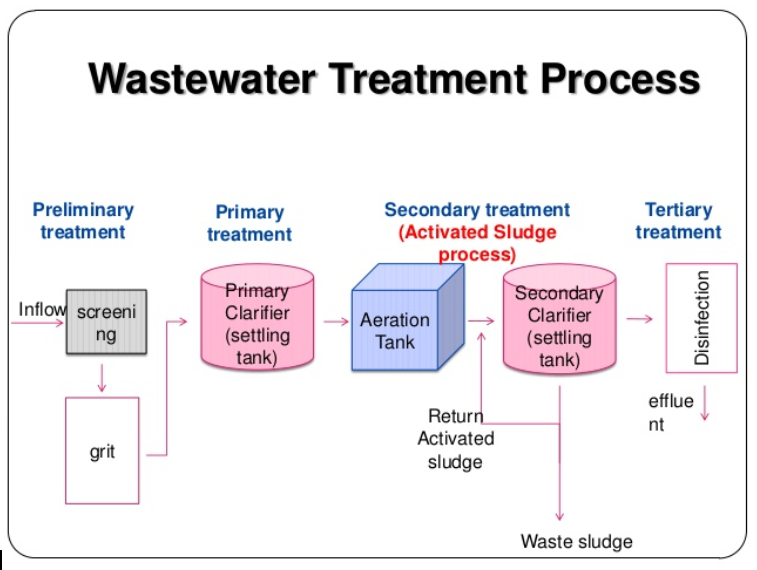
Preliminary Treatment
This initial step prevents damage to downstream equipment and enhances the efficiency of subsequent treatments. By eliminating items like sticks, rags, and grit, preliminary treatment sets the stage for more refined purification processes.
- Removal of large, solid materials
- Key components: Screens for large debris, grit chambers for heavy particle
Primary Treatment
During this phase, wastewater flows through large tanks where heavier solids sink to the bottom while lighter materials float to the surface. The clarity achieved in primary treatment is essential for the following biological processes, significantly reducing the load on secondary treatment systems.
- Separation of suspended solids and greases
- Process: Sedimentation tanks and skimmers for floating material removal
- Typical outcome: Removes 60-70% of suspended solids and 30-40% of biochemical oxygen demand (BOD)
Secondary Treatment
This stage harnesses the power of microorganisms to break down organic contaminants. Secondary treatment transforms dissolved pollutants into settleable solids by creating an environment where beneficial bacteria thrive, dramatically improving water quality.
- Removal of dissolved and suspended biological matter
- Methods: Activated Sludge Process, Trickling Filters
- Outcome: Removes up to 90% of organic matter
Tertiary Treatment
Tertiary treatment polishes the water to meet stringent environmental standards, often making it suitable for reuse. This advanced stage targets specific contaminants like phosphorus and nitrogen while eliminating harmful pathogens to ensure the treated water is safe for discharge or recycling.
- Final refinement of water quality before environmental release
- Techniques: Advanced filtration, nutrient removal, disinfection (UV light, chlorination)
Wastewater Treatment Facilities
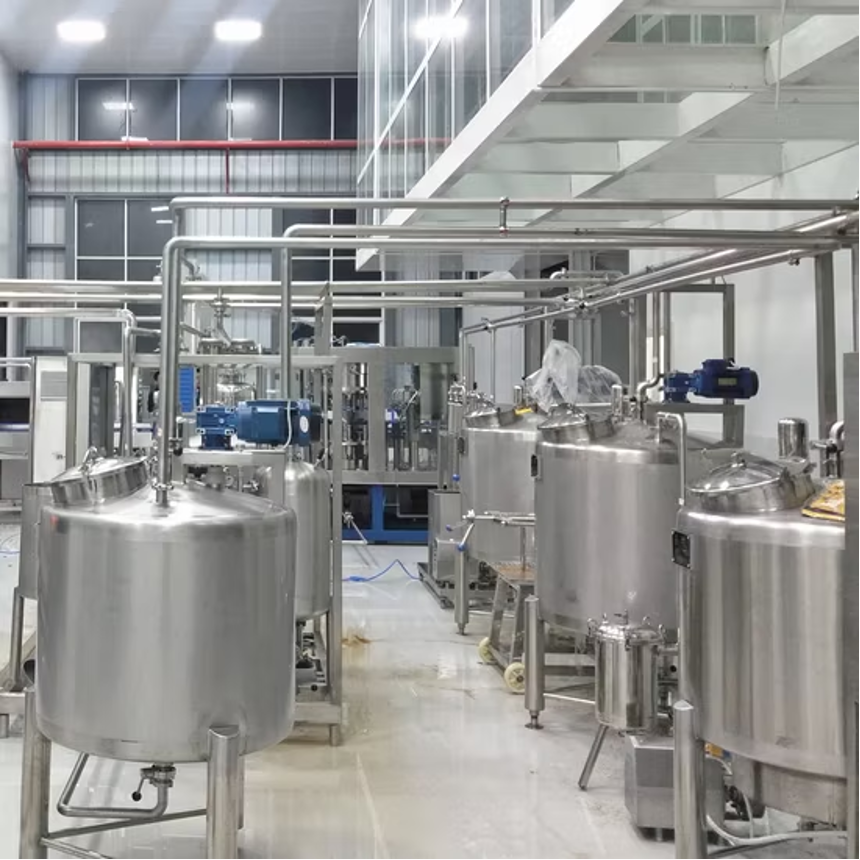
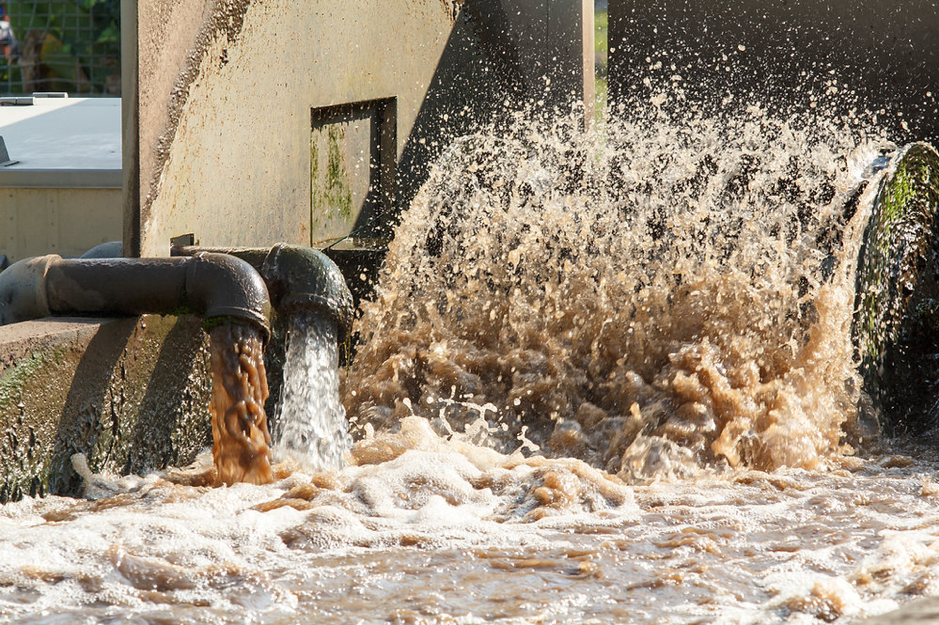
Wastewater treatment facilities are the cornerstone of effective water management in urban and industrial areas. These plants are designed to handle large volumes of wastewater, employing a combination of physical, chemical, and biological processes to purify water before its release into the environment.
Modern treatment facilities have advanced technologies for efficient water quality processing and monitoring. Many plants now incorporate sustainable practices, such as energy recovery from biogas production and reusing treated water for irrigation or industrial purposes. The design of these facilities considers factors like population size, industrial activity, and local environmental regulations to ensure optimal performance and compliance.
 Image Source
Advanced Technologies in Wastewater Treatment
Modern wastewater facilities employ advanced technologies like membrane bioreactors (MBR), which combine biological treatment with membrane filtration for high-quality effluent. Anaerobic Digestion breaks down organic matter while producing biogas. Advanced oxidation processes (AOP) tackle stubborn pollutants, while Microbial Fuel Cells generate electricity during purification, improving energy efficiency.
The Power of Microbial Solutions
Microbial solutions enhance natural degradation processes in wastewater treatment. These products accelerate organic material breakdown, improve odor control, and mitigate corrosive reactions. This approach efficiently addresses common challenges in wastewater management.
Key benefits of microbial solutions:
- Accelerate organic matter degradation
- Improve odor control
- Enhance treatment efficiency
- Reduce corrosive effects
The Role of Microorganisms in Treatment
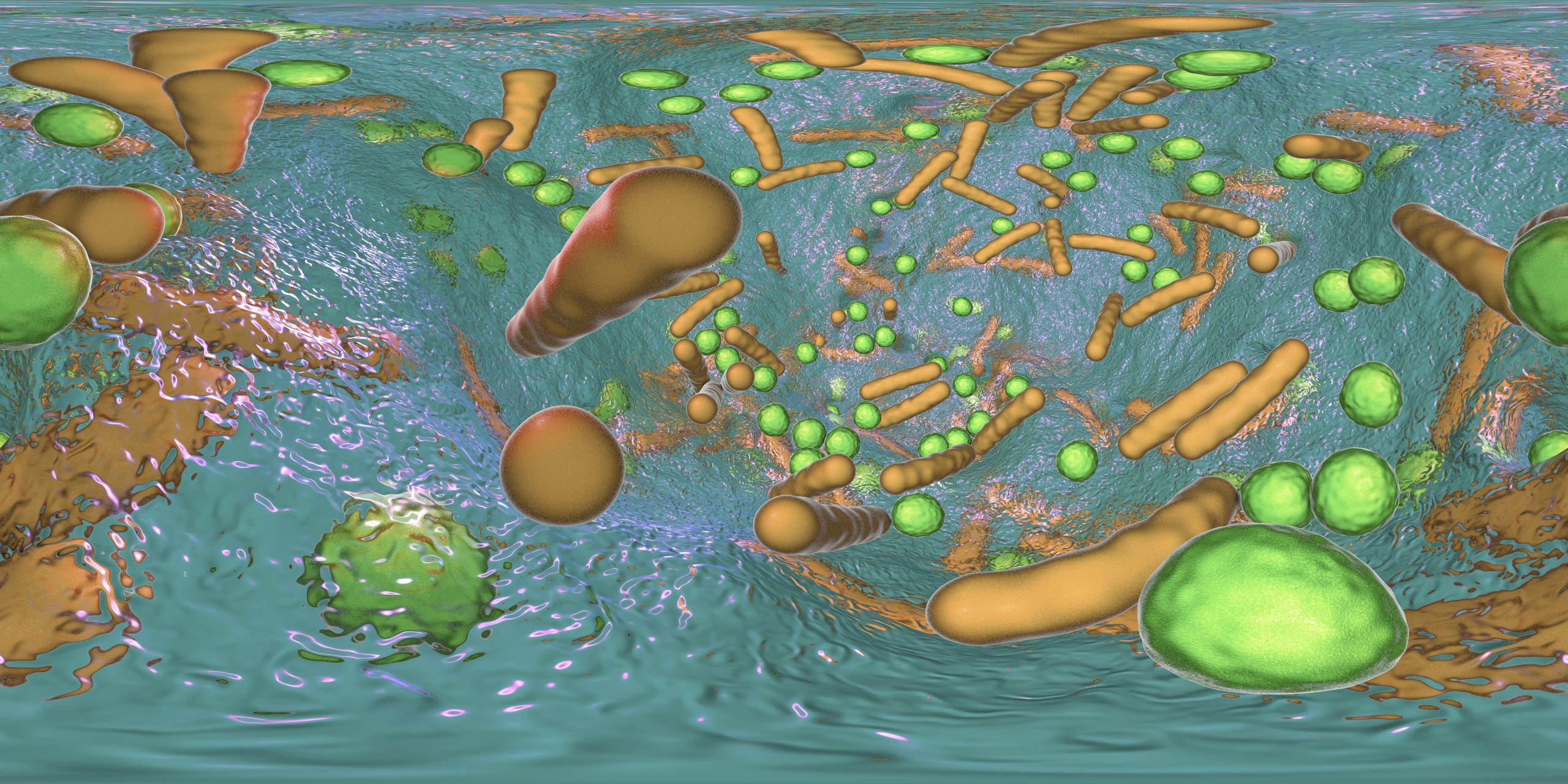
Microorganisms are vital in wastewater treatment. They break down complex organic matter, improve water clarity, and reduce odors. Their activity enhances solids degradation, reducing sludge volume and improving overall efficiency.
Advanced Microbial Formulations
These formulations contain high concentrations of naturally occurring bacteria, effective for various treatment applications. They include natural soil constituents like humate salts and humic acids, significantly reducing Total Suspended Solids (TSS) and Biochemical Oxygen Demand (BOD) levels.
Industrial Applications and Efficiency Boosting
Advanced wastewater technologies serve diverse industries, including food production, paper and pulp manufacturing, oil refineries, and agriculture. Each sector benefits from specialized methods to address unique challenges.
Enhancing Treatment Efficiency
These technologies reduce operational costs, minimize disruptions, and produce higher-quality treated water. They ensure regulatory compliance while optimizing operational efficiency.
Specific Applications
Advanced technologies excel at breaking down fats, oils, and grease while neutralizing odorous compounds. They safeguard against corrosion and efficiently decompose various organic polymers, addressing a broad spectrum of pollutants.
Advance in Wastewater Treatment With Chemtech
Understanding the wastewater treatment process is essential for professionals in environmental management and related fields. Adequate wastewater treatment becomes increasingly important as environmental concerns grow and regulations tighten.
By demystifying this complex process, we gain appreciation for its role in environmental protection and public health. Knowledge of wastewater treatment empowers better decision-making regarding water usage and environmental stewardship.
Ready to optimize your wastewater treatment process with cutting-edge solutions? Contact Chemtech today. Our team of experts can provide tailored advice and innovative products to meet your specific treatment needs, ensuring regulatory compliance and promoting sustainable practices. Reach out now!
About Author

Neel Daphtary
Neel Daphtary is the President of Chemtech International. He oversees sales, distribution and business development. He excels at helping pharmaceutical and manufacturing firms find the right processes and environmental solutions. Neel is an active member of Global Philadelphia, an organization committed to community development in PA.

Have Any Questions Or Comments?
Call Us For Help!
888-709-8070